The Body of Christ
The church as a living whole — members of one another, joined to the Head, and the service and shepherding that flow from it.
Now ye are the body of Christ, and members in particular.
Books




Authors
Questions and Answers
What is The Body of Christ collection about?
It gathers books on the church as a living whole — members of one another, joined to the Head, and the service and shepherding that flow from it. Its keynote is 1 Corinthians 12:27, "Now ye are the body of Christ, and members in particular": the shelf treats the church not as an institution to be managed but as a living body, each member joined to Christ and to the others.
Which works are included?
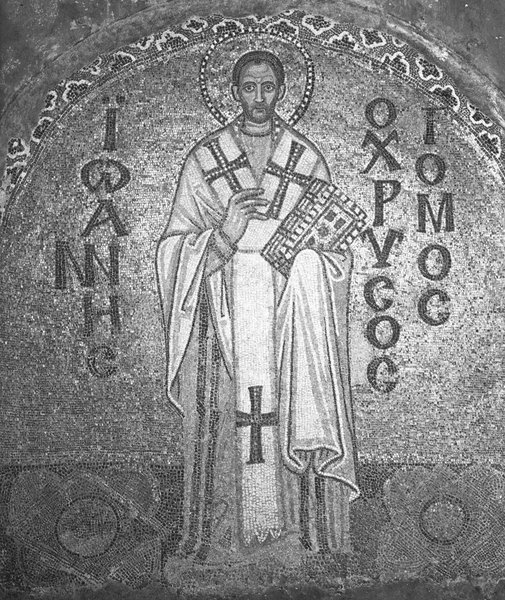
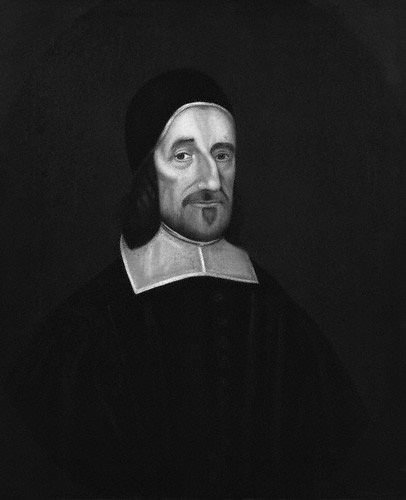
Among them are John Chrysostom's "On the Priesthood," Richard Baxter's "The Reformed Pastor," Watchman Nee's "Separation and Service," and the first epistle of Clement of Rome — works on the nature of the church and the ministry that serves it.
What does 1 Corinthians 12:27 mean for the shelf?
"Now ye are the body of Christ, and members in particular" is the image under the whole collection — the church as one body with many members, each needing the others and all joined to Christ the Head. It sets the church not as a loose collection of individuals but as an organism, in which every member has a place and a service.
What does the shelf teach about the church?
That it is a living whole, not a human organisation — members of one another, drawing their common life from Christ. "Separation and Service" presses the believer's set-apart place within that body, and Clement's ancient letter to Corinth shows the same conviction at work in the earliest generation, calling a divided church back to its unity in Christ.
How does the shelf connect the body and its ministry?
By holding the two together: the church is a body, and its shepherds serve that body. Chrysostom's "On the Priesthood" and Baxter's "The Reformed Pastor" set out the weight and care of ministry, while "Separation and Service" treats the believer's own calling — so that the doctrine of the body flows naturally into the service and shepherding it requires.
What does Clement's letter contribute here?
Clement of Rome's first epistle, written around AD 96 to a Corinthian church that had deposed its elders, is the earliest Christian writing outside the New Testament, and its whole argument is for the unity and order of the body — humility, love, and the refusal of schism. It brings to the shelf the church's earliest voice on what it means to be one body in Christ.
Where should a reader begin?
Clement's letter to Corinth is the natural entry — the earliest Christian voice on the body's unity; Baxter's "The Reformed Pastor" shows the shepherding that serves it; and Chrysostom's "On the Priesthood" weighs the awe of that ministry. Together they move from the nature of the body to the care of it.
Why read these books today?
Because the church is easily reduced to an institution or an individual preference, and these writers recover it as what Scripture calls it — the body of Christ, members of one another, joined to the Head. They answer both isolation and mere institutionalism with the living reality of a body in which every member belongs.