The Preached Word
Great preaching on the page — Whitefield and Wesley in full voice, Spurgeon among his farmers — and Baxter's charge to every shepherd of souls.
Leading others through this? See Ochorus for pastors and preachers
How shall they hear without a preacher?
Books





Articles

Authors
Questions and Answers
What is The Preached Word collection about?
It gathers great preaching on the page — Whitefield and Wesley in full voice, Spurgeon among his farmers — and Baxter's charge to every shepherd of souls. Its keynote is Romans 10:14, "How shall they hear without a preacher?": the shelf honours preaching as the appointed means by which the gospel reaches the world, and it lets the reader sit under the great preachers in print.
Which works are included?
Among them are selected sermons of George Whitefield, John Wesley's "Sermons on Several Occasions," Spurgeon's "Talks to the Farmer" and "Till He Come," Richard Baxter's "The Reformed Pastor," and expositions of the fundamental doctrines of the faith — the preached word preserved, and the theology of the preacher's own work.
What does Romans 10:14 mean for the shelf?
"How shall they hear without a preacher?" is the collection's charter — that faith comes by hearing, and hearing by the preached word, so that preaching is not a relic but God's chosen instrument. It sets these sermons and manuals not as literary specimens but as the living voice of the gospel, carried down to the reader on the page.
Whose preaching does the shelf preserve?
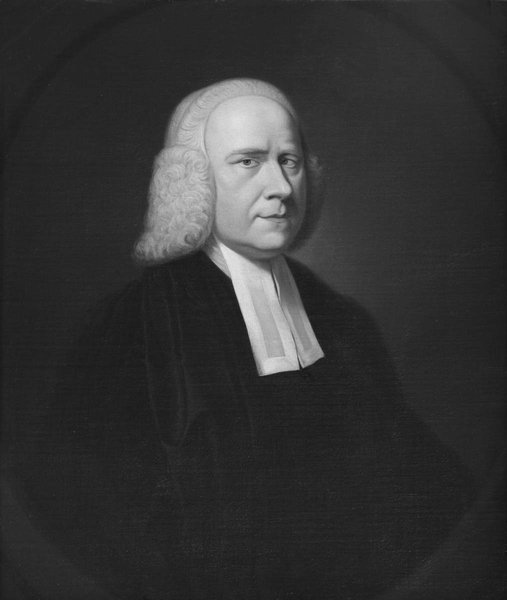
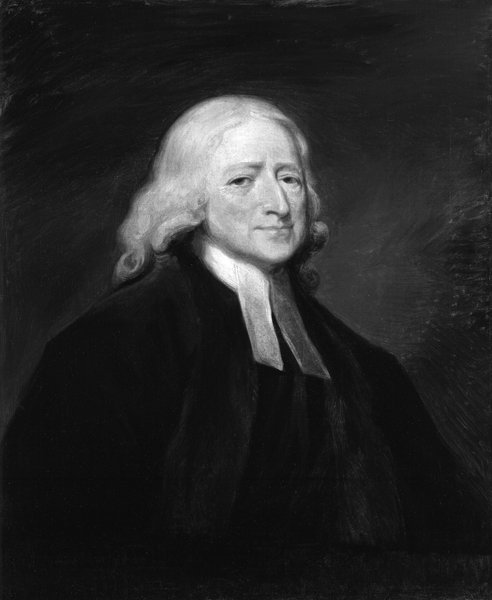
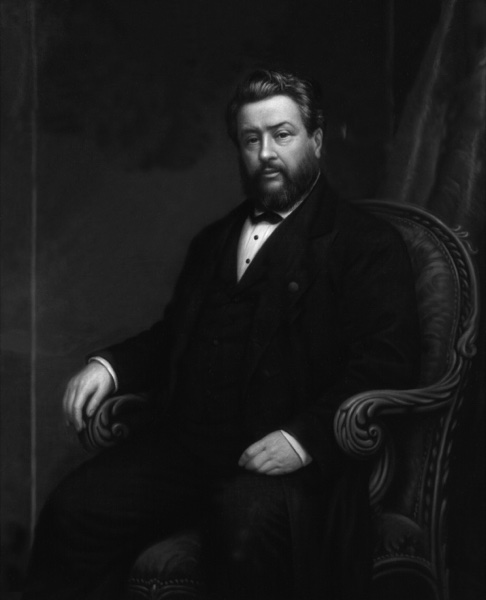
The great voices of the eighteenth-century awakening and the Victorian pulpit — George Whitefield, whose open-air preaching stirred two continents; John Wesley, whose "Sermons on Several Occasions" set out the doctrine of the Methodist revival; and Charles Spurgeon, whose "Talks to the Farmer" drew the gospel out of homely country pictures for ordinary hearers.
What is Baxter's The Reformed Pastor?
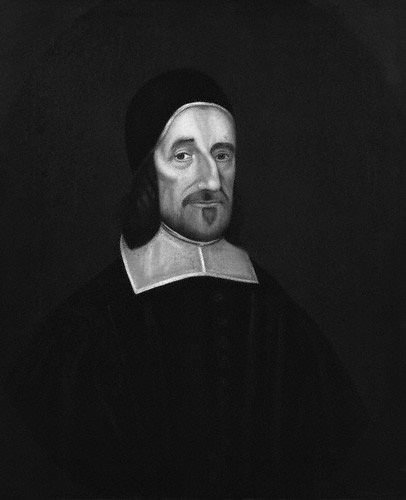
Richard Baxter on the work of a minister, written for a gathering of Worcestershire clergy — not sermon craft but the personal, house-by-house instruction of every family in a parish. It brings to the shelf the theology of the preacher's own calling: that a man who preaches to hundreds on Sunday and knows none of them the rest of the week has not done the job.
What can a modern reader gain from old sermons?
The chance to sit under preachers whose power moved thousands, and to learn from them how the gospel is proclaimed with warmth, clarity, and force. Read devotionally rather than as history, these sermons still do the work they were preached for — pressing Christ on the conscience — and Baxter's manual still searches those who preach.
Where should a reader begin?
Spurgeon's "Talks to the Farmer" is the most accessible entry, plain and vivid; Wesley's "Sermons on Several Occasions" set out the heart of his gospel; and Baxter's "The Reformed Pastor" is essential for anyone in ministry or wanting to understand it. Together they offer both the sermon and the theology of the sermon.
Why read these books today?
Because preaching remains God's appointed means, and the greatest preachers repay study — not to imitate their style but to catch their seriousness about the gospel and about souls. The shelf lets the reader hear Whitefield, Wesley, and Spurgeon still, and lets Baxter still charge every shepherd with the care of the flock.