The Way of Holiness
Set apart for God — the commandments searched, perfection honestly pursued, and the affections of the heart tried and found true.
Follow peace with all men, and holiness, without which no man shall see the Lord.
Books








Sermons

Articles













Authors

Questions and Answers
What is The Way of Holiness collection about?
It gathers books on being set apart for God — the commandments searched, Christian perfection honestly pursued, and the affections of the heart tried and found true. Its keynote is Hebrews 12:14, "Follow peace with all men, and holiness, without which no man shall see the Lord": the shelf treats holiness not as an optional extra but as the very thing the Christian life is for.
Which works are included?
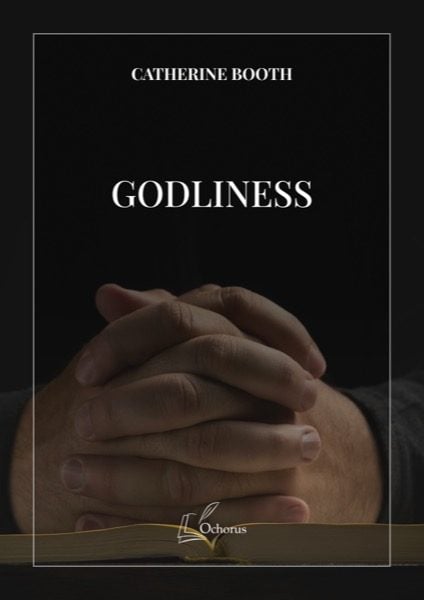
Among them are John Wesley's "A Plain Account of Christian Perfection," the book "Godliness," Jonathan Edwards's "Religious Affections," and an exposition of the Ten Commandments — works that pursue holiness from several angles: the goal of perfect love, the test of true religious experience, and the searching of God's law.
What does Hebrews 12:14 mean for the shelf?
"Follow peace with all men, and holiness, without which no man shall see the Lord" is the collection's sober premise — that holiness is not negotiable, but the necessary mark of those who will see God. It sets the pursuit of holiness as the serious business of every Christian, not the special calling of a few.
What is Wesley's Plain Account of Christian Perfection?
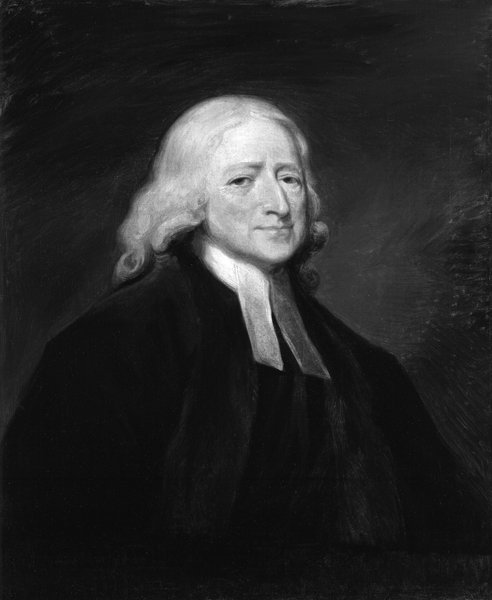
John Wesley's careful statement of what he did and did not mean by Christian perfection — not sinless flawlessness or freedom from mistake, but a heart so filled with the love of God and neighbour that love reigns in it. It is the shelf's fullest treatment of holiness as the goal of the Christian life, honestly guarded against the extremes on either side.
What does Edwards's Religious Affections contribute?
Jonathan Edwards's great work distinguishing true religious experience from false — asking what actually marks a genuine work of God in the heart, as against mere emotion or self-deception. It brings to the shelf a searching test: that holiness shows itself not in fervour alone but in a settled bent of the affections toward God and His holiness itself.
Is holiness here presented as effort or gift?
The shelf holds both emphases in tension — the diligent searching of the commandments and the mortifying of sin on one side, and on the other the conviction that holiness is the fruit of God's grace working in the heart. What unites the works is the refusal to treat holiness as optional: it is pursued honestly, neither presumed nor despaired of.
Where should a reader begin?
Wesley's "A Plain Account of Christian Perfection" is the clearest statement of the goal; Edwards's "Religious Affections" is the searching test of whether one's own religion is true; and the exposition of the Ten Commandments grounds the whole pursuit in God's revealed law. Together they map the way of holiness from law to love.
Why read these books today?
Because the call to holiness is easily softened or ignored, and these writers refuse to let it go — pressing the necessity of it, guarding against both legalism and complacency, and pointing to the love of God as its heart. They answer the reader's half-hearted religion with Hebrews' plain word: without holiness no one will see the Lord.