The Great Awakening
The preaching that shook two continents — Whitefield and Wesley in the open air, Edwards among his people, Finney on revival — and the doctrine beneath the flame.
Wilt thou not revive us again: that thy people may rejoice in thee?
Books





Authors
Questions and Answers
What is The Great Awakening collection about?
It gathers the preaching that shook two continents — Whitefield and Wesley in the open air, Edwards among his people, Finney on revival — and the doctrine beneath the flame. Its keynote is Psalm 85:6, "Wilt thou not revive us again: that thy people may rejoice in thee?": the shelf holds both the fire of the eighteenth-century awakenings and the theology that gave them substance.
Which works are included?
Among them are Charles Finney's "Revival Lectures," John Wesley's "Sermons on Several Occasions," selected sermons of George Whitefield and Jonathan Edwards, Wesley's "A Plain Account of Christian Perfection," and Edwards's "Freedom of the Will" and "Religious Affections" — the preaching of the awakening and the doctrine underneath it.
What does Psalm 85:6 mean for the shelf?
"Wilt thou not revive us again: that thy people may rejoice in thee?" is the prayer under the whole collection — the cry that lay behind the awakenings and lies behind every longing for revival since. It sets these sermons and treatises not merely as history but as fuel for the same prayer, that God would revive His people again.
Who preached these awakenings?
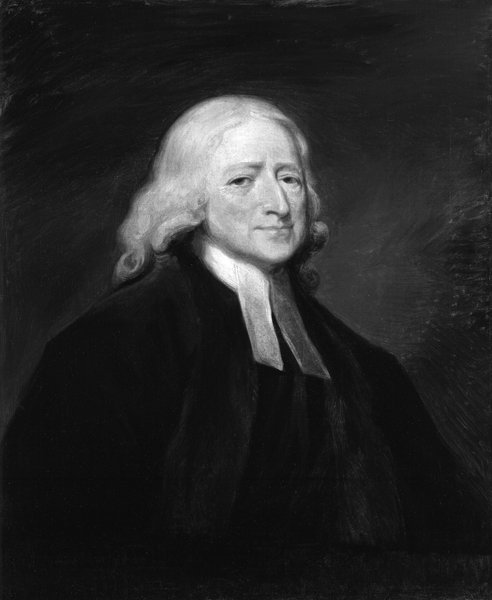
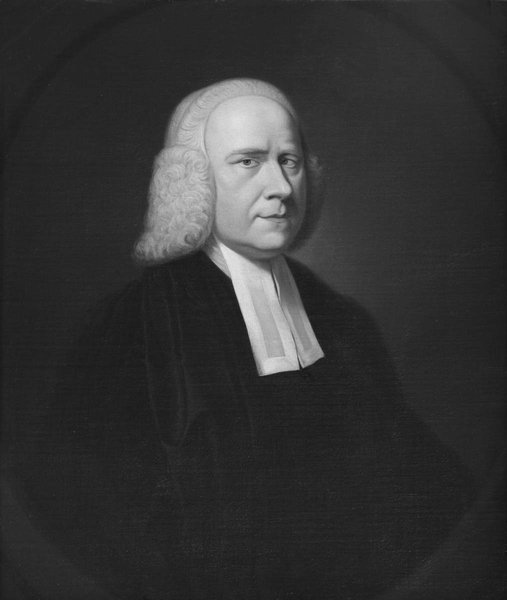
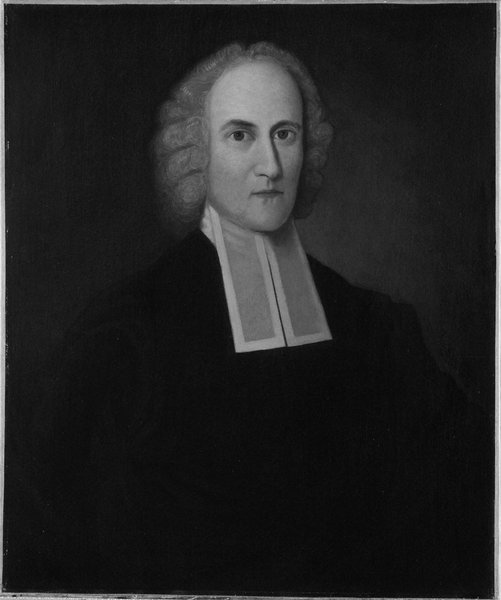
The great voices of the eighteenth century: George Whitefield, whose open-air preaching drew vast crowds on both sides of the Atlantic; John Wesley, whose sermons set out the doctrine of the Methodist revival; and Jonathan Edwards, whose preaching in New England helped kindle the awakening and whose "Sinners in the Hands of an Angry God" remains its most famous sermon.
What doctrine lies beneath the flame?
The shelf pairs the fire with the theology that gave it weight. Edwards's "Religious Affections" tests true religious experience against false; his "Freedom of the Will" defends God's sovereignty in salvation; and Wesley's "Plain Account of Christian Perfection" sets out the goal of holy love. The awakening, these works insist, was no mere excitement but a work of God with real doctrine underneath it.
How does this shelf relate to Revival & Missions?
They are neighbours on the same theme. Where Revival & Missions gathers the diaries and lectures of those poured out for the gospel across many eras, The Great Awakening focuses on the specific eighteenth-century movement that shook Britain and America — its preachers, its sermons, and the Reformed and Wesleyan theology that shaped it.
Where should a reader begin?
Whitefield's and Wesley's sermons let the reader hear the awakening's own voice; Finney's "Revival Lectures" argue how revival may be sought; and Edwards's "Religious Affections" tests whether one's own religion is a true work of God. Together they carry both the flame and the doctrine beneath it.
Why read these books today?
Because the church still prays "revive us again," and the great awakenings show both what God has done and what it costs and produces. These preachers repay study not for their style but for their seriousness about conversion, holiness, and the sovereign work of God — and they stir the reader toward the same prayer.