Humility is one of the most admired and least understood of all the virtues. We praise it in others and rarely see the lack of it in ourselves. We confuse it with weakness, or with a low opinion of our abilities, or with a false self-deprecation that is really pride in disguise. Yet Scripture treats humility as something far greater and more central than any of these — as the very ground on which a person meets God, and the soil in which every other grace must grow. Why does humility matter so much? And what is it, really?
What humility is — and is not
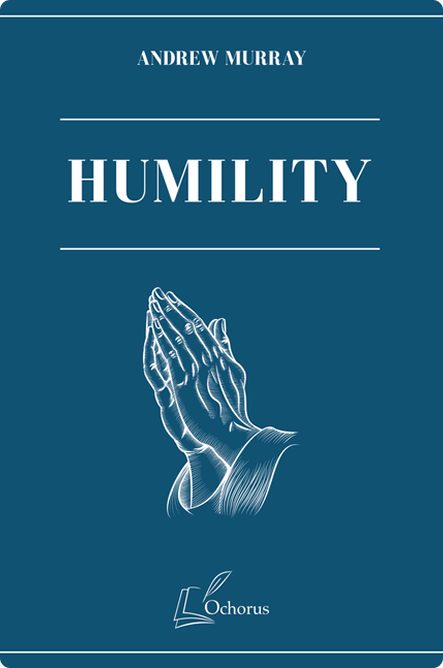
Humility is not thinking badly of yourself; it is, as it has been well said, thinking of yourself less — and thinking rightly about God. It is the honest recognition of the truth about who God is and who we are: that he is the Creator and we the creatures, that everything we have is received, and that we stand every moment on his mercy. “What do you have that you did not receive?” Paul asks. “If then you received it, why do you boast as if you did not receive it?” (1 Corinthians 4:7). Humility is simply living in the light of that question. It is not the cringing self-hatred that still keeps self at the center; it is self forgotten, because God and others have taken its place. Andrew Murray, whose small classic Humility has searched Christian hearts for generations, defined it as the creature’s proper place before God — the simple, restful acknowledgment that we are nothing and God is all.
The soil of every grace
Humility matters because, without it, no other virtue can truly grow. Murray called it the root and mother of all the graces, and warned that its absence explains every spiritual failure:
Humility is the only soil in which the graces root; the lack of humility is the sufficient explanation of every defect and failure. … Pride, or the loss of humility, is the root of every sin and evil.Andrew Murray, Humility
This is not overstatement. Consider that the first sin in the universe was pride — the creature grasping to be as God. Consider that every sin since is, at bottom, a form of the same thing: self exalting itself above God and neighbor. If pride is the root of all evil, then humility, its opposite, is the ground in which all good must grow. Love cannot flourish where self reigns; patience, gentleness, obedience, and faith all require the lowering of self that humility is. A proud “virtue” is a contradiction; the moment we congratulate ourselves on our goodness, it has already begun to rot.
The doorway to grace
Humility matters supremely because it is the one posture in which God gives grace. This is stated so plainly, and repeated so often, that we cannot miss it: “God opposes the proud but gives grace to the humble” (James 4:6; 1 Peter 5:5; Proverbs 3:34). Think of what that means. The proud person, however gifted or religious, sets himself in opposition to God — and God resists him. The humble person, however weak or unimpressive, is exactly the one to whom God draws near and pours out his help. “Thus says the One who is high and lifted up…: I dwell in the high and holy place, and also with him who is of a contrite and lowly spirit” (Isaiah 57:15). God’s favor does not flow uphill to the self-sufficient; it flows down into the low places, as water does. This is why humility is not one option among many but the doorway through which every good thing from God must come to us. “Humble yourselves… under the mighty hand of God so that at the proper time he may exalt you” (1 Peter 5:6).
The pattern of Christ
Above all, humility matters because it is the very likeness of Christ, and there is no becoming like him without it. The most exalted description of Jesus in all Scripture is also the most humble: though he was in the form of God, he “emptied himself, by taking the form of a servant… he humbled himself by becoming obedient to the point of death, even death on a cross” (Philippians 2:7–8). The path of the Son of God ran downward — from glory to a manger, from a manger to a cross — before God “highly exalted him” (Philippians 2:9). And he calls us to walk the same road: “Learn from me, for I am gentle and lowly in heart, and you will find rest for your souls” (Matthew 11:29). To be a Christian is to follow a humble Savior; pride, however religious, is simply walking the opposite way from the One we claim to follow. This is why Andrew Murray, in Absolute Surrender, pressed believers to yield themselves wholly to God — because the surrendered life and the humble life are the same life, the life that lets God be God and gladly takes the lowest place.
How humility grows
If humility matters this much, how does it grow? Not, paradoxically, by trying hard to be humble and then admiring our progress — that road only circles back to pride. Humility grows as we draw near to God and see him as he is. Isaiah, granted a vision of the Lord’s holiness, cried, “Woe is me! For I am lost” (Isaiah 6:5); Job, after meeting God, said, “I abhor myself, and repent in dust and ashes” (Job 42:6). Nearness to God is the great humbler, because in his light we see ourselves truly. Humility also grows as we grasp the gospel of grace — for nothing so lowers our pride as the knowledge that we contribute nothing to our own salvation. Spurgeon, in All of Grace, urged sinners to rest wholly on Christ precisely because salvation is a gift and not a wage; and a soul that has learned it is saved by grace alone has had the ground cut out from under its boasting once and for all. “Then what becomes of our boasting? It is excluded” (Romans 3:27).
The counterfeits of humility
Because humility is so prized, it is often imitated, and the counterfeits are worth naming so we are not deceived by them — least of all in ourselves. There is a false humility that is really a fishing for compliments, running ourselves down so that others will build us up; its eye is still fixed on self and on the good opinion of others, which is the essence of pride. There is a false humility that is mere temperament — a naturally quiet or timid disposition mistaken for a grace of the Spirit. And there is a false humility that hides from responsibility and calls its cowardice modesty, refusing what God has given it to do under the guise of unworthiness. True humility is none of these. It is not preoccupied with self at all, high or low; it has simply seen God and been set free from the exhausting business of measuring and defending itself. Paul could say in the same breath that he was “the very least of all the saints” (Ephesians 3:8) and yet labor more than all the others — “though it was not I, but the grace of God that is with me” (1 Corinthians 15:10). That is the paradox of real humility: it thinks little of itself and therefore attempts great things for God, because its confidence has moved off self and onto him. The humble are not the passive and the fearful; they are often the boldest people alive, precisely because they have nothing left to protect.
This is why humility and faith are so closely joined in Scripture. Both are a turning away from self toward God — faith to receive his salvation, humility to give him the glory. The proud cannot truly believe, for belief means confessing we cannot save ourselves; and the humble cannot help but believe, for they have already abandoned every other hope. To grow in one is to grow in the other.
So humility is not the dreary, self-diminishing thing we sometimes imagine. It is the most freeing of all dispositions, for it lays down the exhausting work of defending and exalting ourselves and lets us rest in a God who is everything we are not. It opens the door to grace, softens us toward others, and makes us like our Lord. “Clothe yourselves, all of you, with humility toward one another” (1 Peter 5:5). If you would grow in every other grace, grow first in this one — not by staring at yourself, but by drawing near to God, resting in his mercy, and taking, gladly, the lowly place where he has promised to meet you. For “whoever humbles himself will be exalted” (Luke 14:11), and the humble, in the end, inherit everything — not because they grasped at it, but because they let go, and found their hands filled by the God who gives grace to the lowly.