The Wesleys & Early Methodism
The awakening that became a movement — John Wesley's sermons and plain account, the mother who shaped him, and the fervour that followed.
Did not our heart burn within us, while he talked with us by the way, and while he opened to us the scriptures?
Books



Authors
Questions and Answers
What is The Wesleys & Early Methodism collection about?
It gathers the awakening that became a movement — John Wesley's sermons and plain account, the mother who shaped him, and the fervour that followed. Its keynote is Luke 24:32, "Did not our heart burn within us, while he talked with us by the way?": the shelf holds the warm, heart-kindled religion of the Methodist revival and the teaching that gave it shape.
Which works are included?
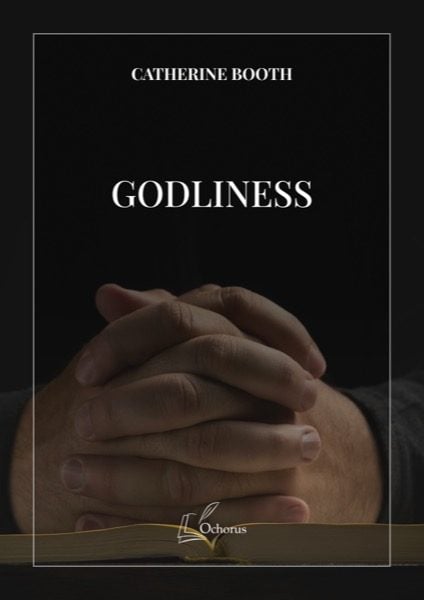
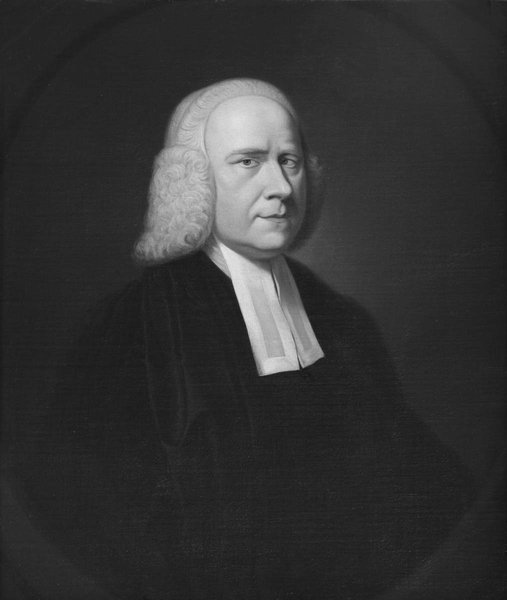
Among them are John Wesley's "Sermons on Several Occasions" and "A Plain Account of Christian Perfection," a life of Susanna Wesley, selected sermons of George Whitefield, and the books "Godliness" and "Purity of Heart" — the preaching, the doctrine, and the household that shaped early Methodism.
What does Luke 24:32 mean for the shelf?
"Did not our heart burn within us, while he talked with us by the way, and while he opened to us the scriptures?" is the note under the whole collection — the warmed heart of the Emmaus road, echoed in Wesley's own famous testimony that his heart was "strangely warmed." It sets early Methodism as a religion of the affections as well as the understanding.
What is Wesley's Plain Account of Christian Perfection?
John Wesley's careful statement of the doctrine most associated with him — not sinless flawlessness but a heart so filled with the love of God and neighbour that love reigns in it. It is the shelf's fullest treatment of the goal Wesley set before the Methodists, honestly guarded against the extremes that both his critics and his followers were tempted toward.
Who was Susanna Wesley, and why is she here?
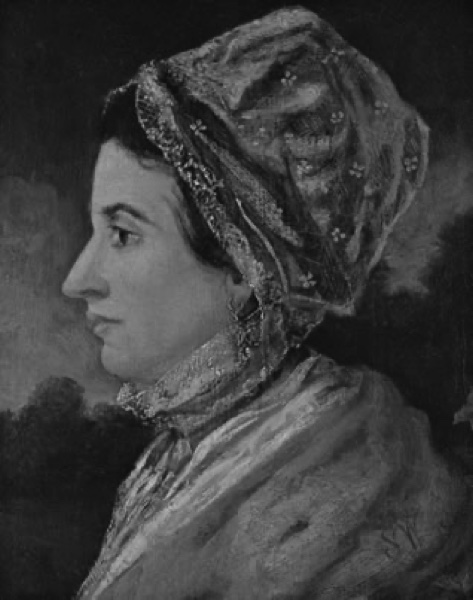
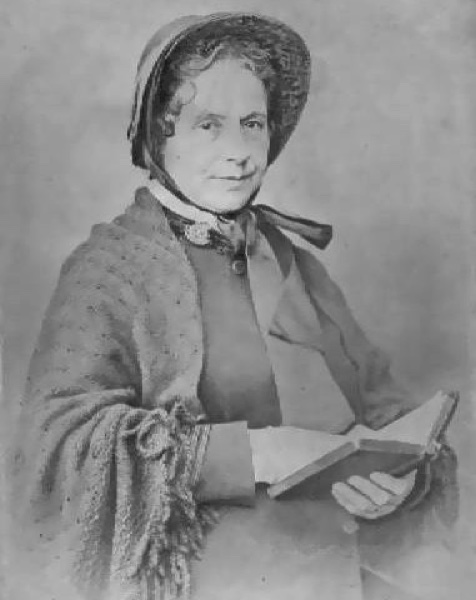
The mother of John and Charles Wesley, and through them a formative influence on the whole revival. Raising a large family in a country parsonage, she gave each child ordered instruction and personal spiritual attention, and her disciplined, praying household is often remembered as a seedbed of the awakening her sons would carry across two nations.
What was the fervour that followed?
The heart-religion that spread through the Methodist societies — field preaching to thousands, hymns sung with feeling, the pursuit of holiness and the witness of the Spirit. The shelf holds both the fire, in Wesley's and Whitefield's preaching, and the discipline, in the plain account of perfection and the books on godliness and purity of heart that guided the awakened.
Where should a reader begin?
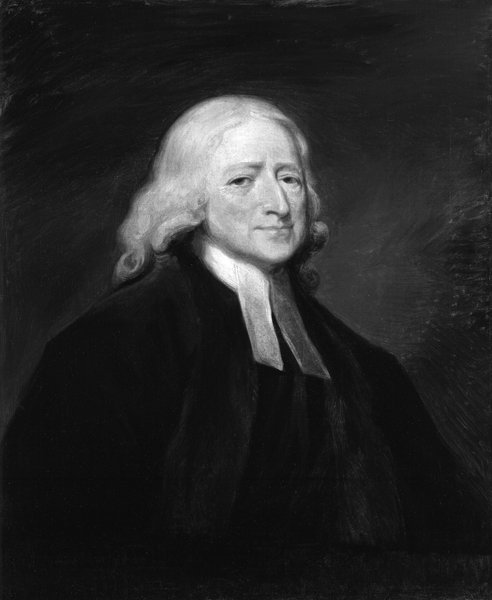
John Wesley's "Sermons on Several Occasions" set out the heart of his gospel; "A Plain Account of Christian Perfection" gives the doctrine most his own; and the life of Susanna Wesley opens the household that shaped him. Together they carry both the warmth and the substance of early Methodism.
Why read these books today?
Because the Methodist revival married warm affection to serious doctrine, and both are easily lost — fervour without teaching, or teaching without fire. These writers hold them together, pressing on the reader a religion in which the heart burns and the mind is fed, kindled by the same Christ who warmed the hearts of the disciples on the Emmaus road.