Abiding in Christ
The branch in the Vine — union and communion with the Lord Jesus, and the life that flows from no other source than staying near him.
Abide in me, and I in you. As the branch cannot bear fruit of itself, except it abide in the vine; no more can ye, except ye abide in me.
Books



Authors


Questions and Answers
What is the Abiding in Christ collection about?
It gathers books on the branch in the Vine — union and communion with the Lord Jesus, and the life that flows from no other source than staying near Him. Its keynote is John 15:4, "Abide in me, and I in you. As the branch cannot bear fruit of itself, except it abide in the vine; no more can ye, except ye abide in me": the shelf's whole burden is that fruitfulness is not produced by effort but received by remaining joined to Christ.
Which works are included?
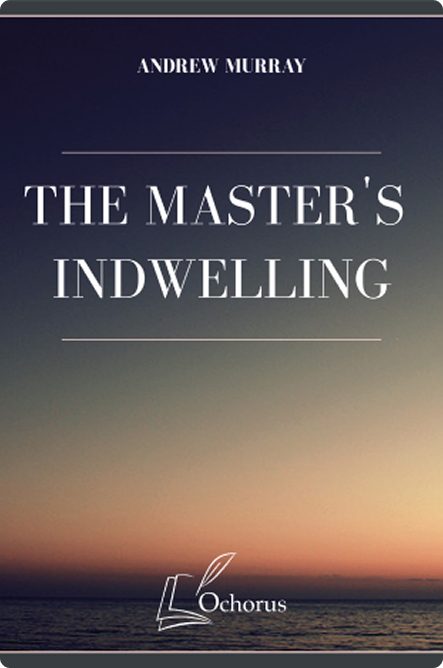
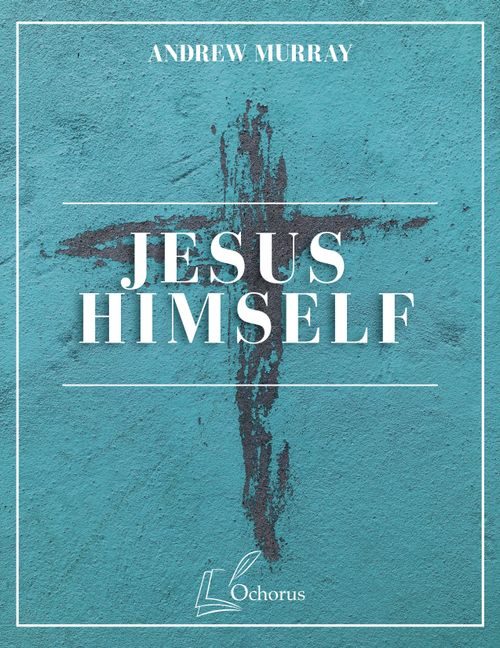
Among them are Andrew Murray's "The True Vine," "Holy in Christ," "Absolute Surrender," and "The Master's Indwelling," A. B. Simpson's "Jesus Himself," Bernard of Clairvaux's "On Loving God," and Spurgeon's "Union and Communion" — works that dwell on the believer's living union with Christ and the communion that flows from it.
What does John 15:4 mean for the shelf?
"Abide in me, and I in you... the branch cannot bear fruit of itself, except it abide in the vine" is the image under the whole collection — that the Christian is a branch whose only life and fruit come from remaining in the Vine. It sets abiding, not striving, as the secret of the fruitful life, and makes nearness to Christ the one thing needful.
What does Andrew Murray teach about the Vine?
In "The True Vine" Murray takes Christ's own image and presses it home day by day: that the branch's whole business is to abide, and the Vine's business is to bear the fruit through it. His counsel to the anxious believer is not to work harder at holiness but to stay in Christ, trusting that the life which flows from Him will produce what no effort can.
What is the difference between union and communion here?
The shelf holds both: union, the settled fact that the believer is joined to Christ once for all, and communion, the daily, felt fellowship that grows or wanes with the believer's abiding. Spurgeon's "Union and Communion" distinguishes them — that the union can never be broken, while the communion must be kept fresh by staying near the Lord.
What is the "indwelling" the shelf speaks of?
The reality of Christ living in the believer by His Spirit, so that the Christian life is not imitation from without but Christ's own life lived from within. Andrew Murray's "The Master's Indwelling" and A. B. Simpson's "Jesus Himself" dwell on this — that the secret of holiness and rest is the indwelling presence of the Lord Himself, received and yielded to by faith.
Where should a reader begin?
Andrew Murray's "The True Vine" is the natural entry, a gentle daily unfolding of John 15; "Absolute Surrender" presses the yielding that abiding requires; and Simpson's "Jesus Himself" turns the reader from seeking experiences to resting in the Person of Christ. Together they teach both the doctrine and the practice of staying near.
Why read these books today?
Because the temptation to live the Christian life by effort, at a distance from Christ, is perennial, and these writers keep returning the reader to the Vine. They answer weariness and barrenness not with a harder push but with a Person — the Christ in whom the believer must abide if he is to bear any fruit at all.