
Book
The First Letter to the Corinthians
Pros Korinthious A, “First to the Corinthians”
Part of The Bible·Next in the series: The Second Letter to the Corinthians
18 chapters · 1 hr 14 min read · Accessible
Free to read · No account needed
Listen to the whole book 1 hr 36 min listenAbout this book
Paul answers a divided church: the cross, love, and the resurrection.
- Author
- Paul
- Date
- c. AD 54
As things are, then, three things last: faith, hope and love. And of these three, the greatest is love.Paul’s letter to a gifted, quarrelsome church in one of the busiest cities of the Roman world, and the fullest picture the New Testament gives of a congregation’s life from the inside. Rival parties rallying round favourite teachers, answered by “Christ crucified”, the foolishness of God that is wiser than human wisdom; the body as a temple of the Holy Spirit; marriage and singleness; food offered to idols, and the freedom that gives way for a brother or sister for whom Christ died; the Lord’s Supper; one body with many parts; the chapter on love; and the great chapter on the resurrection of the dead: “Death, where is your victory?” In the Open Word Bible, a new translation from the Greek given freely to the public domain, with an introduction to the letter’s shape and meaning and a conclusion on where to read next.
From Paul, called by the will of God to be an apostle of Christ Jesus, and from Sosthenes our brother, to the church of God in Corinth: to you who have been made holy in Christ Jesus, a holy people by God’s call, together with all who call on the name of our Lord Jesus Christ in every place, the Lord who is theirs as…
Contents
Sermons on this book
Christ Crucified
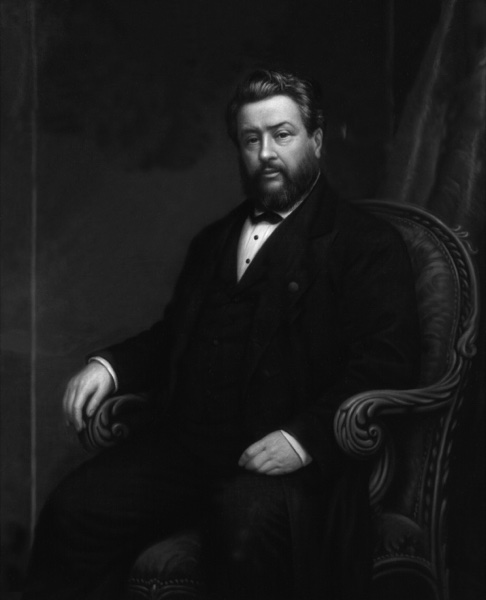
The cross confounds the wisdom of the world: a stumbling-block to the religion of merit, foolishness to the proud intellect, yet to those who are called it is the power of God and the wisdom of God. Spurgeon defends the plain preaching of the crucified Christ against every fashionable substitute, and glories in what the world despises.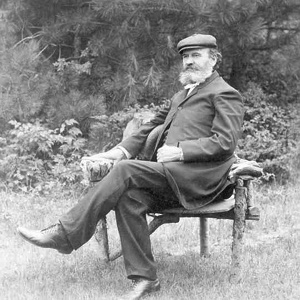
Gideon, or the Strength of Weakness
Simpson reads Gideon's story as the paradox of strength in weakness. A trembling fugitive is called a "mighty man of valor" and made one by God's word. God patiently grants the signs his weak faith asks for, then sifts his army from thirty thousand to three hundred watchful men. Simpson presses that God still tests and picks out an "out and out" people.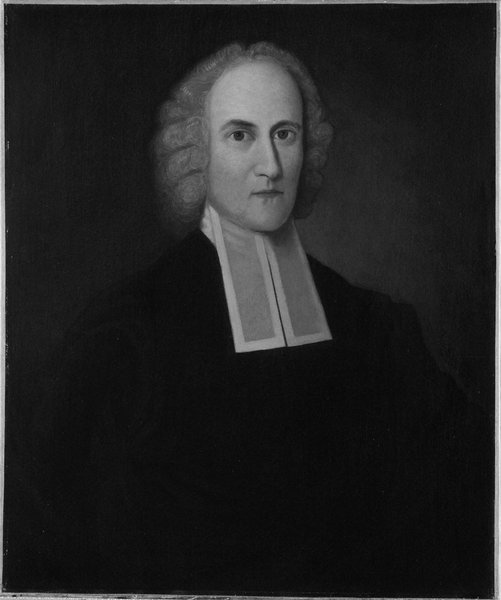
God Glorified in Man's Dependence
The first thing Edwards ever published, preached at the Boston lecture when he was twenty-seven: redemption is so arranged that man depends on God for everything — the good itself, the giving of it, and the way it comes — so that no flesh may glory in his presence. A young man's manifesto for the whole Awakening that followed.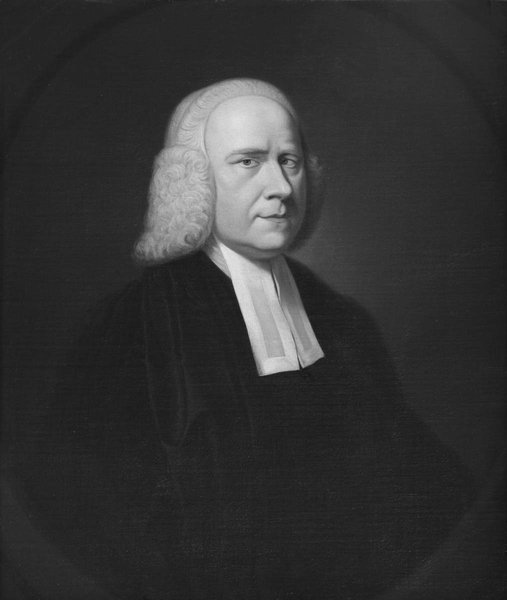
Christ the Believer's Wisdom, Righteousness, Sanctification and Redemption
Whitefield calls this one of the most comprehensive verses in the Bible, and preaches it as the whole gospel in miniature: Christ made to the believer wisdom, righteousness, sanctification, and redemption — the fourfold gift, each in its order, and all of it flowing from the everlasting love of the Father.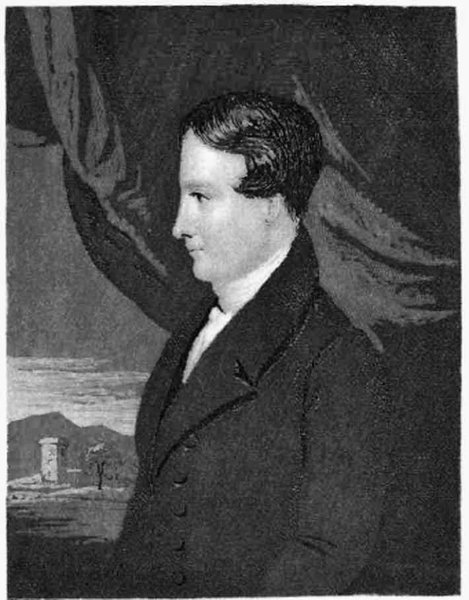
A Castaway
Long after his conversion Paul still kept his body under, “lest that by any means, when I have preached to others, I myself should be a castaway.” In the last months of his life, M’Cheyne traces what that means: cast away from God, by the Spirit, by every creature and by oneself. He ends with Christ, the “wrath-bearing Surety” who bore it all.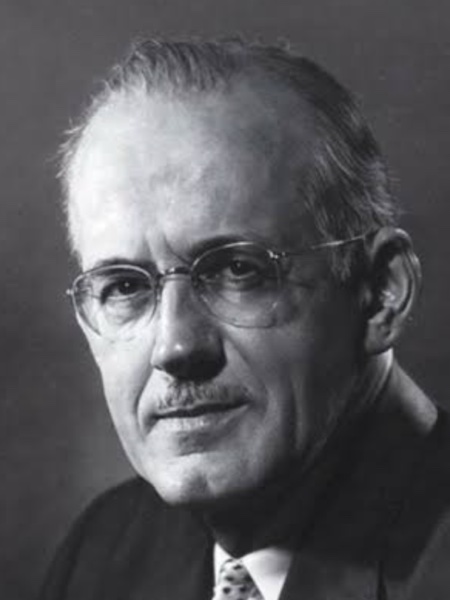
The Sin of Murmuring
From Paul's warning in 1 Corinthians 10, Tozer argues that murmuring, the muttered complaint, is classed with idolatry and fornication and may explain why some Christians have stopped growing. Grumbling assumes God and the world owe us something, when everything is grace. He asks where we would be with our deserts, and urges thanks instead.Questions and Answers
What is 1 Corinthians?
The seventh book of the New Testament, a letter from the apostle Paul to the church he had founded in Corinth, in Greece. It answers a report of divisions in the church and a letter of questions the Corinthians had sent him, on matters ranging from lawsuits and marriage to food offered to idols, the Lord’s Supper and spiritual gifts. It contains the chapter on love (13), the earliest written account of the Lord’s Supper (11:23–26) and the fullest teaching on the resurrection in the New Testament (15).
Who wrote 1 Corinthians, and when?
The apostle Paul, who names himself in the first verse, together with a fellow believer called Sosthenes. Almost all scholars accept that Paul wrote it. He sent it from Ephesus (16:8), probably around AD 53–55, a few years after he had spent a year and a half founding the church in Corinth (Acts 18). It was not his first letter to them: he mentions an earlier one (5:9) that has not survived.
Why did Paul write 1 Corinthians?
Members of Chloe’s household had told him that the church was splitting into factions, each claiming a favourite leader: Paul, Apollos, Cephas or Christ (1:11–12). He had also heard of sexual immorality and lawsuits among them, and the church had written to him with questions about marriage, food offered to idols, spiritual gifts and other matters, often introduced in the letter with “Now about”. Some were also denying the resurrection of the dead. Paul answers each of these, bringing them all back to the cross and resurrection of Christ.
What does 1 Corinthians 13 say about love?
That without love, even the greatest gifts, knowledge, faith and sacrifice count for nothing, and that love is patient and kind, does not envy or show off, does not keep a tally of wrongs, and never comes to an end. Though it is read at weddings, Paul wrote it to a church divided over spiritual gifts, set between his teaching on the gifts (12) and on order in worship (14), to show “a way that is beyond comparison”. It ends: faith, hope and love last, “and of these three, the greatest is love.”
What does 1 Corinthians teach about women in the church?
This is one of the places where Christians read Paul differently. In 11:2–16 he assumes that women pray and prophesy aloud in the gathering, and gives instructions about head coverings that some take as a lasting principle and others as guidance for the customs of that culture. In 14:34–35 he says the women are to keep silent in the churches; some read this as a limit on a particular disruptive kind of speaking, some as a wider rule of church order, and some think the verses were added to the letter later, since some manuscripts place them after verse 40. Paul also insists that “in the Lord there is no woman without man, and no man without woman” (11:11).
Which translation of the Bible is this?
The Open Word Bible, a new translation made directly from the Greek and dedicated to the public domain, printed here at its Balanced level, which aims to be accurate and to read naturally aloud. The reasoning behind each of its sentences, with the Greek beside it, is published at openwordbible.org. The introduction and conclusion were written for this edition.
More like this


Taking books where there’s no signal? See Ochorus for missionaries or chaplains
About this text
- Source
- Scripture from the Open Word Bible (https://openwordbible.org), English, Balanced level, commit 64b913d623d6: dedicated to the public domain under CC0 1.0. The introduction and conclusion are by Ochorus. openwordbible.org
- Last updated
- November 13, 2026
- Rights
- Terms of Use
Cite this book
Copy a citation in the style you need.
- MLA
- Open Word Bible. The First Letter to the Corinthians. Ochorus, https://ochorus.com/books/1-corinthians/.
- Chicago
- Open Word Bible. The First Letter to the Corinthians. Ochorus. https://ochorus.com/books/1-corinthians/.
- Chicago footnote
- Open Word Bible, The First Letter to the Corinthians (Ochorus), https://ochorus.com/books/1-corinthians/.
- BibTeX
- @book{openwordbiblefirst, author = {{Open Word Bible}}, title = {{The First Letter to the Corinthians}}, publisher = {Ochorus}, url = {https://ochorus.com/books/1-corinthians/} }