Book
The Letter to the Romans
Pros Rhōmaious, “To the Romans”
Part of The Bible·Next in the series: The First Letter to the Corinthians
18 chapters · 1 hr 14 min read · Accessible
Free to read · No account needed
Listen to the whole book 1 hr 35 min listenAbout this book
The gospel of God’s righteousness, received by faith.
- Author
- Paul
- Date
- c. AD 57
I am not ashamed of the gospel. It is God’s own power at work to save everyone who believes, the Jew first and the Greek as well.Paul’s longest letter, written to a church he had never visited, and the fullest account he ever gave of the gospel he preached: “I am not ashamed of the gospel.” Every human being, Jew and Gentile alike, has sinned; God declares the ungodly righteous as a free gift, through faith, as he did Abraham; Adam’s trespass is answered by Christ’s obedience; and for those in Christ Jesus there is no sentence of condemnation, and nothing in all creation can cut them off from God’s love. Then Israel and the nations, bodies offered as a living sacrifice, a church of the strong and the weak learning to welcome one another, and a long list of friends to greet. The letter that turned Augustine, Luther and Wesley. In the Open Word Bible, a new translation from the Greek given freely to the public domain, with an introduction to the letter’s shape and meaning and a conclusion on where to read next.
From Paul, a servant of Christ Jesus, called to be an apostle and set apart for the gospel of God. God promised this gospel long ago through his prophets in the holy Scriptures.
Contents
Read alongside
Commentaries and expositions of this book in the library.

Sermons on this book
Believers Not Ashamed
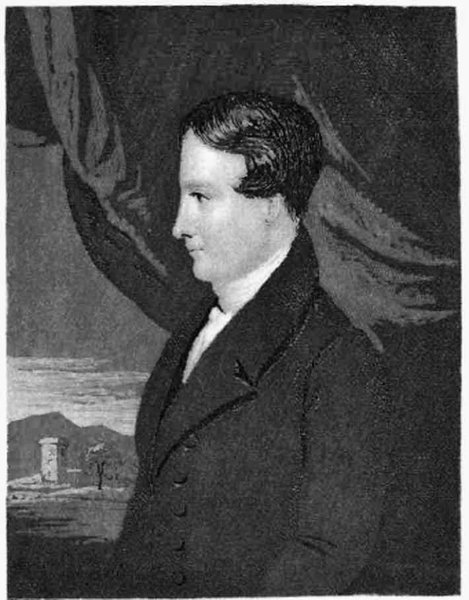
Paul longs to preach in Rome, the mightiest and most wicked city of the age, and says he is not ashamed of the gospel, meaning he glories in it. Men are ashamed of the gospel because it seems foolish, its preachers are flawed and, above all, it is holy. Paul is not, for its power and the righteousness of God revealed in it. Communion addresses follow, fencing the table and urging the few faithful to walk with Christ in white. Our Duty to Israel
Home from the Church of Scotland’s mission of inquiry to the Jews, M’Cheyne pleads “To the Jew first.” Judgment begins with Israel, God’s love for her is peculiar, the door to her stood open in land after land they visited, and converted Israel will be “as a dew from the Lord” to a dead world.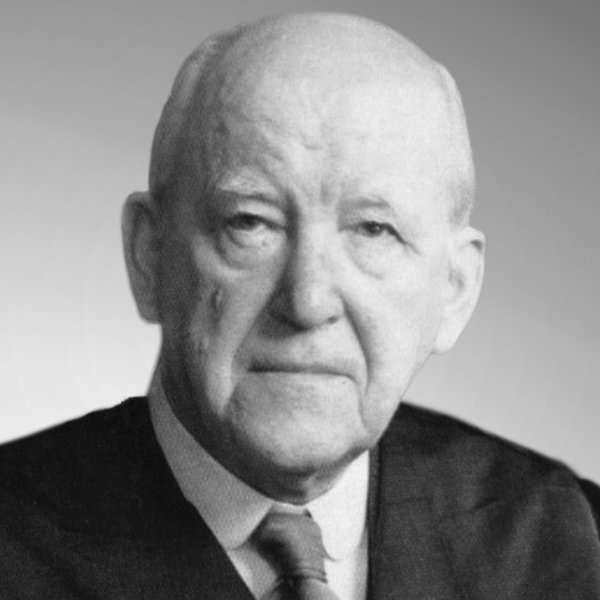
The Wrath of God
From Romans, Lloyd-Jones states the truth the modern mind most resists — that fallen man stands under the wrath of God — and insists there is no true gospel of comfort until this is faced honestly.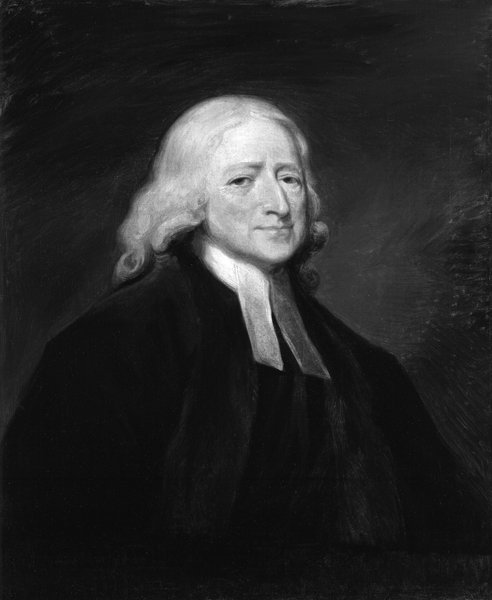
The Circumcision of the Heart
Wesley's earliest University sermon, and one he never disowned: true religion is not the outward mark but the circumcised heart — humility, faith, hope, and love. He traces each in turn and closes on the love that fulfils the law. Preached at Oxford five years before Aldersgate, yet already sounding his lifelong note of holiness of heart.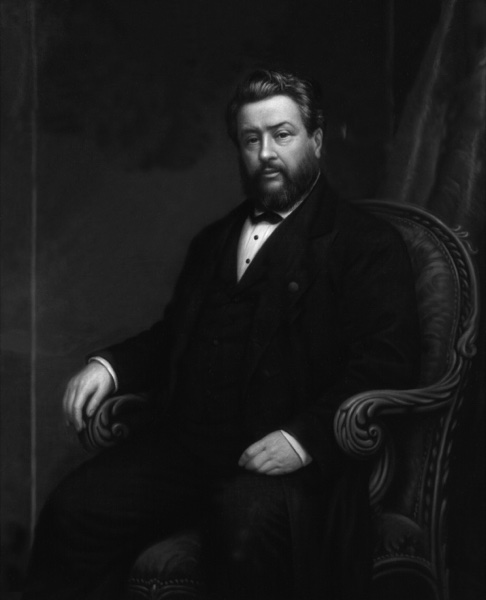
Justification by Grace
“The hill of comfort is the hill of Calvary.” Spurgeon takes the text word by word — justified, freely, by grace, through the redemption in Christ — to show that a sinner is set right with God not by degrees or by deserving but as a free gift, bought at the cross. He presses home that grace shuts the door on all boasting, and that the guiltiest may be justified the very moment he trusts the finished work.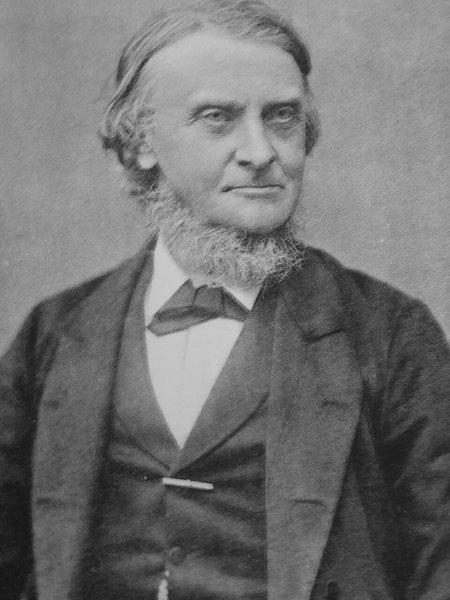
Let Us Have Peace
Following the Revised Version’s "Let us have peace", Maclaren reads the verse as an exhortation not to attain peace with God but to retain it. He sets out the real enmity between God and man that Christ abolishes, then warns of the outward distractions and inward weaknesses that wear this peace away, like clay beneath a crumbling cliff. He closes with three ways to keep it: the same faith, union with the living Christ, and conduct that does not ruffle it.Questions and Answers
What is the Letter to the Romans?
The sixth book of the New Testament and the longest of the apostle Paul’s letters, written to the Christians in Rome. It sets out the gospel more fully than anything else Paul wrote: that all have sinned, that God declares people righteous as a free gift through faith in Jesus Christ, that those in Christ live by the Spirit, that God has not abandoned Israel, and that a people shown such mercy must live by love. Its theme is stated in 1:16–17, the gospel as God’s power to save everyone who believes.
Who wrote Romans, and when and where was it written?
The apostle Paul, who names himself in the first verse. He dictated it to a secretary, Tertius, who adds his own greeting (16:22). It was almost certainly written from Corinth, around AD 57, near the end of Paul’s work in the eastern Mediterranean, as he was about to take a gift from the Gentile churches to Jerusalem. It was probably carried to Rome by Phoebe, a deacon of the church at Cenchreae, Corinth’s port, whom Paul commends in 16:1–2.
Why did Paul write to the Romans?
Paul had never been to Rome, and he planned to visit on his way to preach in Spain, hoping the Roman church would pray for him and help him on (15:22–33). The letter introduces him and the gospel he preaches. It also speaks to a church of Jewish and Gentile believers who did not always agree, about food, holy days and their standing before God, and urges them to welcome one another as Christ has welcomed them (15:7).
What does “justification by faith” mean in Romans?
The Greek word translated “justify”, which this translation renders “declare righteous”, is a law-court word for a judge’s verdict that someone is in the right. Paul teaches that God gives this verdict to the guilty not because of their works but as a free gift, received by trusting him, on the ground of Christ’s death (3:21–26). Abraham is his example: he “believed God, and that was counted to him as righteousness” (4:3). Christians differ on how this verdict relates to the new life that follows, and recent scholars have debated what Paul meant by “works of the law”, but all agree it is God’s gift and not a human achievement.
What is Romans 9–11 about?
God’s faithfulness to Israel. If most of Paul’s own people have not believed in their Messiah, has God’s word failed? Paul answers that God has always worked by choosing and by mercy, that there is a remnant of Israel chosen by grace, that Gentile believers are like wild branches grafted into Israel’s olive tree, and that “all Israel will be saved” (11:26). Christians read these chapters differently, especially on election and on what “all Israel” means, but Paul ends them in worship of a God whose ways are past tracing out (11:33–36).
Which translation of the Bible is this?
The Open Word Bible, a new translation made directly from the Greek and dedicated to the public domain, printed here at its Balanced level, which aims to be accurate and to read naturally aloud. The reasoning behind each of its sentences, with the Greek beside it, is published at openwordbible.org. The introduction and conclusion were written for this edition.
More like this

Taking books where there’s no signal? See Ochorus for missionaries or chaplains
About this text
- Source
- Scripture from the Open Word Bible (https://openwordbible.org), English, Balanced level, commit 64b913d623d6: dedicated to the public domain under CC0 1.0. The introduction and conclusion are by Ochorus. openwordbible.org
- Last updated
- November 13, 2026
- Rights
- Terms of Use
Cite this book
Copy a citation in the style you need.
- MLA
- Open Word Bible. The Letter to the Romans. Ochorus, https://ochorus.com/books/romans/.
- Chicago
- Open Word Bible. The Letter to the Romans. Ochorus. https://ochorus.com/books/romans/.
- Chicago footnote
- Open Word Bible, The Letter to the Romans (Ochorus), https://ochorus.com/books/romans/.
- BibTeX
- @book{openwordbibleletter, author = {{Open Word Bible}}, title = {{The Letter to the Romans}}, publisher = {Ochorus}, url = {https://ochorus.com/books/romans/} }