Book
The Gospel of John
Kata Iōannēn, “According to John”
Part of The Bible·Next in the series: The Acts of the Apostles
23 chapters · 2 hr read · Accessible
Free to read · No account needed
Listen to the whole book 2 hr 35 min listenAbout this book
Jesus, the Word made flesh, so that believing you may have life in his name.
- Author
- Traditionally John the apostle
- Date
- Late 1st century AD
For God’s love for the world was such that he gave his one and only Son, so that everyone who believes in him may not perish but have eternal life.The fourth Gospel, which begins before the beginning — “In the beginning was the Word” — and says plainly why it was written: so that you may believe Jesus is the Christ, the Son of God, and by believing have life in his name. Seven signs, from water turned to wine to Lazarus called out of the tomb; seven “I am” sayings; Nicodemus by night and the Samaritan woman at noon; the farewell in the upper room; the cross as the hour of glory; and breakfast by the lake. In the Open Word Bible, a new translation from the Greek given freely to the public domain, with an introduction to the book’s shape and meaning and a conclusion on where to read next.
In the beginning was the Word, and the Word was with God, and the Word was God. He was with God in the beginning. All things came into being through him, and without him nothing came into being that has come into being. In him was life, and that life was the light of all people.
Contents
Read alongside
Commentaries and expositions of this book in the library.
Sermons on this book
Bethlehem and Its Good News
Bonar begins in lowly Bethlehem, "the house of bread", where God's eternal purpose became a fact and the centre of all history. Unfolding John 1:14, he shows the eternal Word becoming truly man, so that God and man meet face to face, and hears in it God's message of peace and love, the dawn whose noon is the cross. He ends by sending readers to Bethlehem to learn the way to God, humility and self-denial.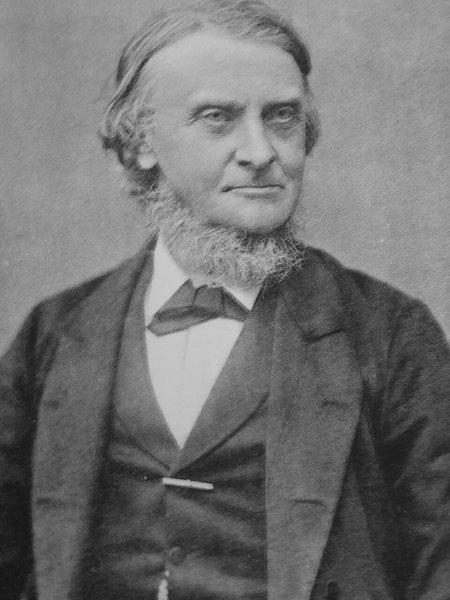
Grace and Truth
“The law was given by Moses, but grace and truth came by Jesus Christ.” Maclaren dwells on John's pairing of the two words — that in Christ grace and truth arrive together, neither one softening the other, the tenderness and the reality of God met in a single Person. Where Moses gave a law that revealed the standard, he argues, Christ gives the grace that meets the failure and the truth that was only shadowed before — the whole fulness of God now come near in flesh.
Behold the Lamb of God
Newton sets the Baptist's cry — “Behold the Lamb of God” — against the whole visible creation, whose wonders somehow leave us unmoved. Greater than every work of God's hand, he argues, is the Lamb who takes away the sin of the world: the one object worth arresting every eye. He unfolds why the Redeemer is figured as a lamb — the innocence, the meekness, the sacrifice — and turns the announcement into a summons to look and live.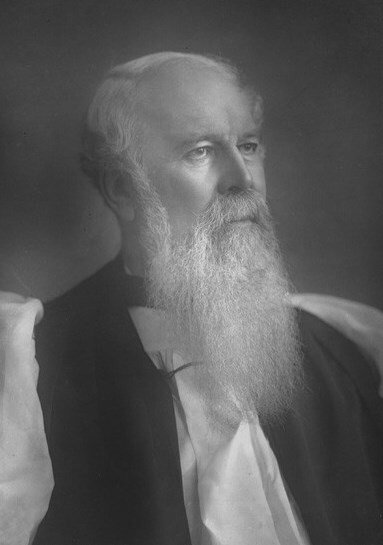
Are You Born Again?
“Except a man be born again, he cannot see the kingdom of God.” Ryle refuses to let anyone rest in “I belong to the church, and I suppose I am,” and turns instead to the plain marks of the new birth that John's first epistle lays down — a life that no longer makes sin its practice, that believes, loves, overcomes the world, and keeps itself. He holds them up not to torment but to test, so a reader may know, and not merely hope, whether he is born of God.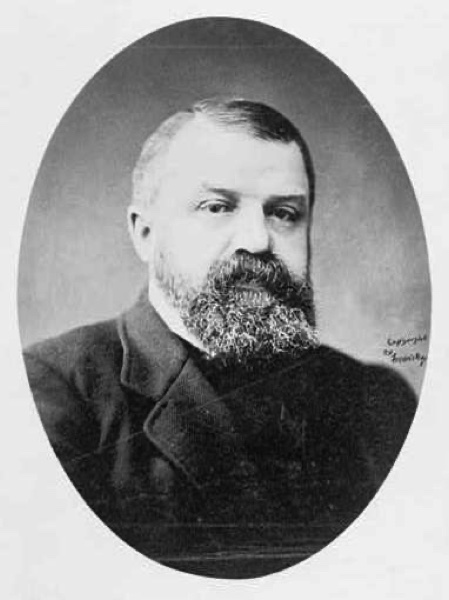
The New Birth
Regeneration is the foundation-stone, Moody argues, and a man unsound there is unsound everywhere — so he clears away the substitutes one at a time: born to Christian parents, baptised, admitted to a church, morally respectable, full of good resolutions. None of them is birth. The change is God's work and comes at once.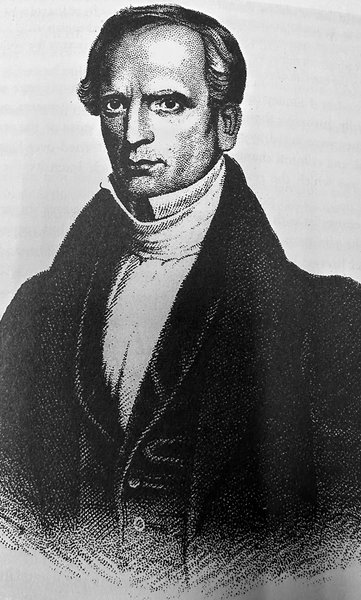
God's Love for a Sinning World
“Sin is the most expensive thing in the universe.” Finney reckons the true cost of sin against a holy law, then shows that God's love for a rebel world was great enough to meet that whole cost in the gift of His Son—and presses the sinner to accept a salvation already so dearly bought.Questions and Answers
What is the Gospel of John?
The fourth of the four Gospels, the accounts of the life, death and resurrection of Jesus in the New Testament. Roughly nine-tenths of it has no parallel in Matthew, Mark or Luke: only John tells of the wedding at Cana, Nicodemus, the woman at the well, the raising of Lazarus, the washing of the disciples’ feet and Thomas touching the wounds. It states its own purpose in 20:31 — that its readers may believe Jesus is the Christ, the Son of God, and by believing have life in his name.
Who wrote the Gospel of John?
The Gospel does not name its author. It points to “the disciple whom Jesus loved” and says his testimony stands behind the book (21:24). From the second century the church identified him as John the son of Zebedee, one of the Twelve, writing late in life at Ephesus, probably toward the end of the first century. Some scholars think the beloved disciple was a follower of Jesus outside the Twelve, or that his own disciples gave the book its final form.
What are the seven signs in John?
John calls Jesus’s miracles signs, deeds that point beyond themselves. The seven are water turned into wine at Cana, an official’s son healed, a man ill for thirty-eight years made to walk, five thousand fed, Jesus walking on the water, a man born blind given sight, and Lazarus raised from the dead. Each is paired with words that explain it, as the feeding of the crowd is followed by “I am the bread of life”.
What are the “I am” sayings in John?
Seven sayings in which Jesus describes himself: the bread of life, the light of the world, the door, the good shepherd, the resurrection and the life, the way, the truth and the life, and the true vine. John also records Jesus saying “I am” with nothing after it, as in “before Abraham was, I am” (8:58), which echoes the name God gave Moses at the burning bush.
Which translation of the Bible is this?
The Open Word Bible, a new translation made directly from the Greek and dedicated to the public domain, printed here at its Balanced level, which aims to be accurate and to read naturally aloud. The reasoning behind each of its sentences, with the Greek beside it, is published at openwordbible.org. The introduction and conclusion were written for this edition.
Why is the story of the woman caught in adultery set apart?
The passage (7:53–8:11) is not found in the oldest manuscripts of John, and later manuscripts place it in different spots. Like most Bibles, this edition prints it, set apart and in brackets, with a note saying why.
More like this
Taking books where there’s no signal? See Ochorus for missionaries or chaplains
About this text
- Source
- Scripture from the Open Word Bible (https://openwordbible.org), English, Balanced level, commit a7571558a4d3: dedicated to the public domain under CC0 1.0. The introduction and conclusion are by Ochorus. openwordbible.org
- Last updated
- November 13, 2026
- Rights
- Terms of Use
Cite this book
Copy a citation in the style you need.
- MLA
- Open Word Bible. The Gospel of John. Ochorus, https://ochorus.com/books/gospel-of-john/.
- Chicago
- Open Word Bible. The Gospel of John. Ochorus. https://ochorus.com/books/gospel-of-john/.
- Chicago footnote
- Open Word Bible, The Gospel of John (Ochorus), https://ochorus.com/books/gospel-of-john/.
- BibTeX
- @book{openwordbiblegospel, author = {{Open Word Bible}}, title = {{The Gospel of John}}, publisher = {Ochorus}, url = {https://ochorus.com/books/gospel-of-john/} }