Chapter 6 · 3 min read · 4 min listen
Romans 5
In this chapter
Made righteous by faith, we have peace with God, and God’s love is shown in that Jesus died for us while we were still sinners. As sin and death came into the world through one man, Adam, so grace and life come through one man, Jesus.
At peace with God through faith
1So now that we have been declared righteous by faith, we are at peace with God through our Lord Jesus Christ. 2Through him we have also been brought by faith into this grace where we now stand, and we boast in the hope of sharing God’s glory. 3More than that, we boast even in our troubles, because we know that trouble leads to endurance, 4endurance to proven character, and proven character to hope. 5And hope does not leave us ashamed, for God has given us the Holy Spirit, and through the Spirit his love has flooded our hearts.
God’s love shown while we were sinners
6While we were still helpless, at the time God had chosen, Christ died for the ungodly. 7It is rare for anyone to give their life even for a righteous person; for a good person, perhaps, someone might find the courage to die. 8But God proves how much he loves us: Christ died for us when we were still sinners. 9Since we have now been declared righteous by his blood, it is all the more certain that we will be saved through him from God’s wrath. 10We were enemies of God when the death of his Son reconciled us to him. Now that we are reconciled, it is all the more certain that we will be saved by the Son’s life. 11More than that, we boast in God through our Lord Jesus Christ. Through him this reconciliation is now ours.
Through one man sin, through one man grace
12Therefore, just as through one man sin came into the world, and death came by sin, and so death reached all people because all sinned— 13for sin was already in the world before the law was given, but where there is no law, sin is not entered in the account. 14Even so, death reigned from Adam until Moses, even over people whose sin was not like Adam’s breaking of a command. And Adam is a pattern of the one who was to come.
15But the trespass and the free gift are not alike. If many died because of one man’s trespass, then far more has God’s grace overflowed to the many, together with the gift given by the grace of the one man Jesus Christ. 16Nor is the gift like what came through the one man who sinned. The judgment followed one trespass and brought condemnation, but the free gift followed many trespasses and brought acquittal. 17If death reigned through one man because of that one man’s trespass, it is far more certain that those who receive grace in full measure and the gift of righteousness will reign in life through the one man Jesus Christ.
18So then, as one trespass meant condemnation for all people, so one righteous act means for all people that they are declared righteous and given life. 19For the disobedience of one man made the many sinners, and in the same way the obedience of the one will make the many righteous. 20The law came in alongside, so that the trespass would multiply. But where sin multiplied, grace overflowed far beyond it, 21so that, as sin held its reign through death, grace in turn might reign through righteousness and lead to eternal life through Jesus Christ our Lord.
Treated in 261 passages across the library.
Most quoted in the classics
What the Church has said
Read alongside
Sermons on this chapter
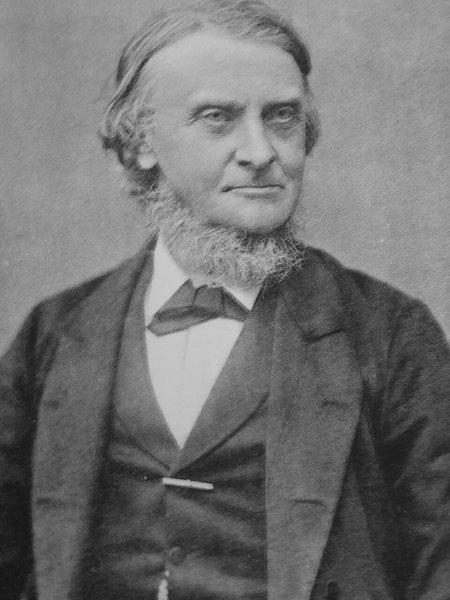
Let Us Have Peace
Following the Revised Version’s "Let us have peace", Maclaren reads the verse as an exhortation not to attain peace with God but to retain it. He sets out the real enmity between God and man that Christ abolishes, then warns of the outward distractions and inward weaknesses that wear this peace away, like clay beneath a crumbling cliff. He closes with three ways to keep it: the same faith, union with the living Christ, and conduct that does not ruffle it. The Sources of Hope
Maclaren takes Paul’s chain in Romans 5 as one connected picture of the Christian’s attitude to the future. Its one object is the glory of God, to be shared as far as a finite creature can, so that we shall be full of God. Its double source is the present experience of peace and access to grace, and tribulation that works patience and proof. Its one emotion is a steady joy, rooted at last in faith in Christ. What Proves God's Love
Maclaren reads Paul’s word "commendeth" as both proving and recommending God’s love, and asks three questions. Christ died for us by bearing our sins, the only view that makes His death matter to us; His death reveals God’s love because God was in Christ; and the love it declares is turned away by no sin, yet rigidly righteous, unsparing of sacrifice, and reaching all ages. He ends by asking whether we love God because He first loved us.The Sure Warrant of a Believer's Hope
Taking Paul’s “how much more” in Romans 5:10, Chalmers argues that if God moved toward the world, and toward each believer, while they were still enemies, he will not turn from them now they come to him; and if Christ left heaven’s glory to suffer for enemies, he will not, risen and enthroned, abandon the work he bled to begin. He closes by warning that the gospel’s freeness is no reason for delay, since the unwilling heart hardens daily.Cross-references from OpenBible.info, CC BY