- 13 chapters
- 2 hr 43 min read
- Accessible Reading difficulty
Free to read·No account needed
Prayer Takes in the Whole Man
Taking books where there’s no signal? See Ochorus for missionaries or chaplains
Reader’s guide
About this book
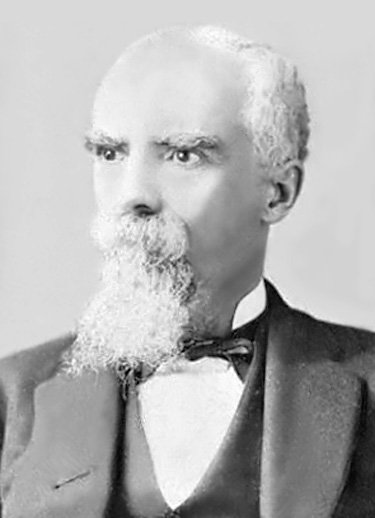
E. M. Bounds on what prayer asks of the one who prays — that it take in the whole man, and be joined to humility, devotion, praise, consecration, and compassion. The companion volume to The Reality of Prayer, gathered from Bounds’s papers after his death, it follows prayer’s reach out into God’s work and the world’s missions.
Contents
- 1 Prayer Takes in the Whole Man 12 min
- 2 Prayer and Humility 10 min
- 3 Prayer and Devotion 11 min
- 4 Prayer, Praise and Thanksgiving 12 min
- 5 Prayer and Trouble 17 min
- 6 Prayer and Trouble (Continued) 9 min
- 7 Prayer and God’s Work 15 min
- 8 Prayer and Consecration 15 min
- 9 Prayer and a Definite Religious Standard 10 min
- 10 Prayer Born of Compassion 11 min
- 11 Concerted Prayer 12 min
- 12 The Universality of Prayer 9 min
- 13 Prayer and Missions 18 min
Questions and Answers
What is The Essentials of Prayer about?
It is E. M. Bounds's study of what prayer asks of the one who prays. His theme is that true prayer takes in the whole man and must be joined to humility, devotion, praise, consecration, and compassion. Rather than a technique, Bounds sets out the inner dispositions without which prayer is hollow, pressing the reader toward the kind of heart from which real prayer rises.
How does it differ from The Necessity of Prayer?
The two are companions and overlap, but this book leans toward the character and spirit of the one praying — humility, devotion, praise, consecration, compassion — while The Necessity of Prayer leans toward prayer's indispensable companions like faith and importunity. Together they map the inner life that genuine prayer requires, this one dwelling on the praying person's heart.
Why does Bounds say prayer must 'take in the whole man'?
Because he rejects prayer as a mere exercise of the lips or a compartment of life. Real prayer, he argues, engages the whole person — mind, heart, will, and conduct — and cannot be sincere while the rest of life is withheld from God. A divided man cannot truly pray; prayer is the offering up of the whole self, not a fragment of it.
What does Bounds say about humility and prayer?
That humility is essential ground for prayer, because God resists the proud and gives grace to the humble. Bounds teaches that a self-satisfied heart cannot really pray; prayer begins in a sense of need and dependence, and the more lowly the suppliant, the more open they are to God. Pride, he warns, is one of prayer's deadliest enemies.
How does compassion relate to prayer in this book?
Bounds links prayer to a heart moved for others — arguing that true intercession springs from compassion, and that a hard, self-centred heart cannot pray with power for the world. He presses the reader toward the kind of love that feels the needs of others and carries them to God, treating compassion as one of the essentials without which prayer shrinks to selfishness.
Who was E. M. Bounds?
An American Methodist pastor of the nineteenth and early twentieth centuries who gave himself to early-morning prayer and to writing about it. This book, like most of his, was gathered from his papers and published after his death — the fruit of a life that took its own counsel seriously and prayed as it wrote.
Who is this book for?
For the believer who wants their praying to be real rather than routine, and who is willing to let prayer search the whole of their life. By naming the dispositions prayer requires, Bounds helps the reader see where their heart falls short and calls them to the humility, devotion, and compassion from which true prayer flows.
Where should a reader begin?
At the beginning, taking the essentials one at a time — humility, devotion, praise, consecration, compassion — and letting each examine the reader's own heart. Short and searching, the book is meant to be read prayerfully and applied, so that the reader not only understands what prayer requires but becomes the kind of person from whom it rises.
Read in your language
More like this


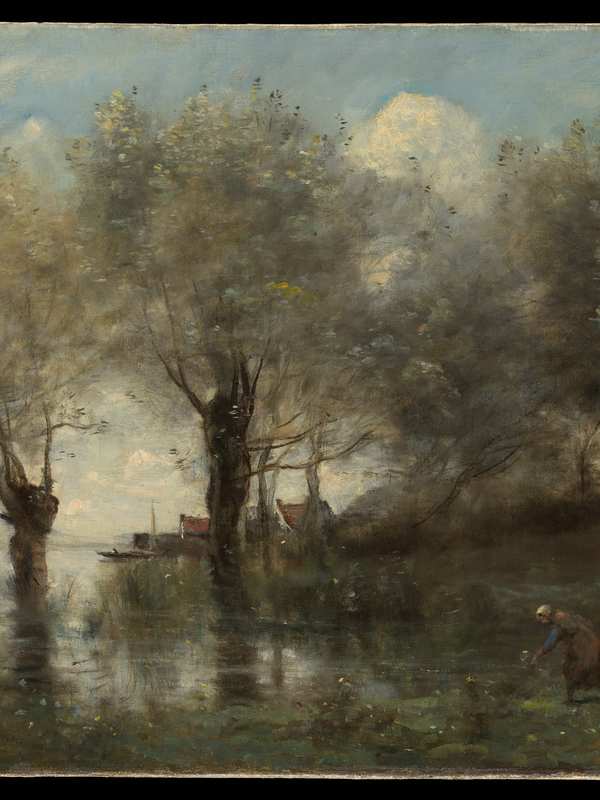
Camille Corot, “A Pond in Picardy” (ca. 1867). The Metropolitan Museum of Art, Open Access.
Cite this book
Copy a citation in the style you need.
- MLA
- Bounds, E. M. The Essentials of Prayer. 1925. Ochorus, https://ochorus.com/books/essentials-of-prayer/.
- Chicago
- Bounds, E. M. The Essentials of Prayer. 1925. Reprint, Ochorus. https://ochorus.com/books/essentials-of-prayer/.
- Chicago footnote
- E. M. Bounds, The Essentials of Prayer (1925; repr., Ochorus), https://ochorus.com/books/essentials-of-prayer/.
- BibTeX
- @book{bounds1925essentials, author = {Bounds, E. M.}, title = {{The Essentials of Prayer}}, year = {1925}, publisher = {Ochorus}, url = {https://ochorus.com/books/essentials-of-prayer/} }