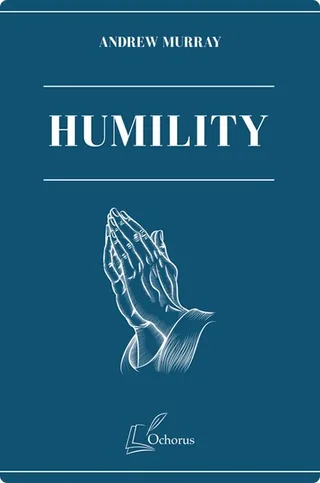
- 12 chapters
- 1 hr 38 min read
- Moderate Reading difficulty
Free to read·No account needed
The Glory of the Creature
About this book
Andrew Murray explores the profound wisdom of humility, countering self-promotion in a world obsessed with it. He reveals humility’s three motives: as creatures, sinners, and saints, drawing inspiration from heavenly hosts, Jesus, and God’s grace. Murray challenges misconceptions, emphasizing humility as participation in Christ’s life and the highest fulfillment of our destiny. Contents: The Glory of The Creature—The Secret of Redemption—Humility in the Life of Jesus—Humility in the Teaching of Jesus—Humility in the Disciples of Jesus—Humility in the Daily Life—Humility and Holiness—Humility and Sin—Humility and Faith—Humility and Death to Self —Humility and Happiness—Humility and Exaltation—A Prayer for Humility.
When God created the universe, it was with the one object of making the creature partaker of His perfection and blessedness, and so showing forth in it the glory of His love, wisdom, and power. God wished to reveal Himself in and through created beings by communicating to them as much of His own goodness and glory as they were capable of receiving.
Contents
- 1 The Glory of the Creature 8 min
- 2 The Secret of Redemption 9 min
- 3 Humility in the Life of Jesus 6 min
- 4 Humility in the Teaching of Jesus 8 min
- 5 Humility in the Disciples of Jesus 8 min
- 6 Humility in Daily Life 9 min
- 7 Humility and Holiness 7 min
- 8 Humility and Sin 8 min
- 9 Humility and Faith 6 min
- 10 Humility and Death to Self 10 min
- 11 Humility and Happiness 8 min
- 12 Humility and Exaltation 11 min
Questions and Answers
What is Humility by Andrew Murray about?
It is a short, searching study of humility as the root and mark of all true holiness — the grace that makes room for God. Murray argues that pride is the source of every sin and misery, and that humility is not one virtue among many but the very disposition of a creature before its Creator and of a saved sinner before his Saviour, seen perfectly in Christ, who humbled himself even to death.
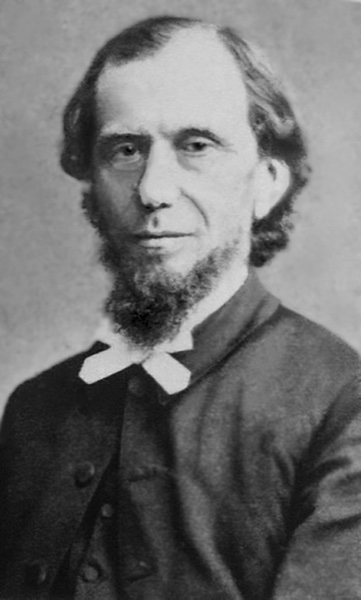
Who was Andrew Murray?
A South African pastor and writer of Scottish descent, one of the best-loved devotional authors of the deeper Christian life. He wrote scores of short books on prayer, holiness, and abiding in Christ; Humility, published in 1895, is among his most enduring, and is often named as one of the finest treatments of the subject in the English language.
Why does Murray call humility 'the root of every virtue'?
Because he sees it as the soil in which every other grace grows. Pride, he argues, was the first sin and remains the hidden strength of all others; where it rules, no virtue is safe. Humility alone gives God his place and self its right place, so that faith, love, and holiness can be real rather than a subtler form of self. Every other grace, on his account, is only as sound as the humility beneath it.
What does Murray say humility looks like in Jesus?
He points to Christ as humility made visible: the one who emptied himself, took the form of a servant, and became obedient unto death. Murray insists that our humility is not merely imitation of Jesus but participation in his — the very lowliness of the Lamb of God formed in the believer by the Spirit. To be humble is to let the mind of Christ become one's own.
What are the 'three motives' for humility Murray gives?
Murray traces humility to what we are before God on three counts: as creatures, who owe our very being to him and were made to depend on him; as sinners, who have nothing to boast in and everything to be forgiven; and as saints, who hold all we have by grace and give God the glory. Each ground deepens the last, so that even holiness becomes a reason for lowliness, not pride.
Is humility a weakness or a strength in Murray's view?
A strength — indeed the secret of blessedness and rest. Murray argues that the humble soul is the one most open to God, least troubled by wounded pride, and most at peace, because it has stopped defending a self it no longer lives for. Far from making a person small, humility frees them from the exhausting labour of being thought great.
How does one grow in humility, according to the book?
Not chiefly by trying to feel lowly, but by drawing near to God and to Christ until self shrinks in his presence, and by accepting the daily humblings of ordinary life — the slights, corrections, and disappointments — as God's gentle schooling. Murray warns that a humility that cannot bear to be treated as nothing is not yet real, and points always back to Christ as both the pattern and the power.
Where should a reader begin?
At the beginning; the book is brief and builds in order, from humility in the life of Jesus to humility as the believer's calling, secret, and glory. Murray meant it to be read slowly and prayerfully, and readers often find that its short chapters search the heart more than their length would suggest.
Read in your language
More like this






Cite this book
Copy a citation in the style you need.
- MLA
- Murray, Andrew. Humility. 1895. Ochorus, https://ochorus.com/books/humility-2/.
- Chicago
- Murray, Andrew. Humility. 1895. Reprint, Ochorus. https://ochorus.com/books/humility-2/.
- Chicago footnote
- Andrew Murray, Humility (1895; repr., Ochorus), https://ochorus.com/books/humility-2/.
- BibTeX
- @book{murray1895humility, author = {Murray, Andrew}, title = {{Humility}}, year = {1895}, publisher = {Ochorus}, url = {https://ochorus.com/books/humility-2/} }