
Book
The Letter to the Philippians
Pros Philippēsious, “To the Philippians”
Part of The Bible·Next in the series: The Letter to the Colossians
6 chapters · 27 min read · Accessible
Free to read · No account needed
Listen to the whole book 35 min listenAbout this book
Joy in Christ, written from prison, and the mind of Christ who humbled himself.
- Author
- Paul
- Date
- c. AD 61
For me, living is Christ, and dying is gain.Paul’s warmest letter, written in chains to the first church he founded in Europe, the friends at Philippi who had stood by him from the first day and had just sent him a gift. He does not know whether he will live or die, and finds that either is good: “For me, living is Christ, and dying is gain.” A plea for unity built on the great passage of Christ who emptied himself and took on the form of a servant; Paul counting all his advantages as loss to gain Christ, and running for the prize; two quarrelling friends urged to agree; and joy, prayer, peace and the secret of contentment: “Rejoice in the Lord always.” In the Open Word Bible, a new translation from the Greek given freely to the public domain, with an introduction to the letter’s shape and meaning and a conclusion on where to read next.
From Paul and Timothy, servants of Christ Jesus, to all God’s holy people in Christ Jesus who live in Philippi, together with the overseers and deacons. Grace and peace to you from God our Father and from the Lord Jesus Christ.
Contents
Sermons on this book
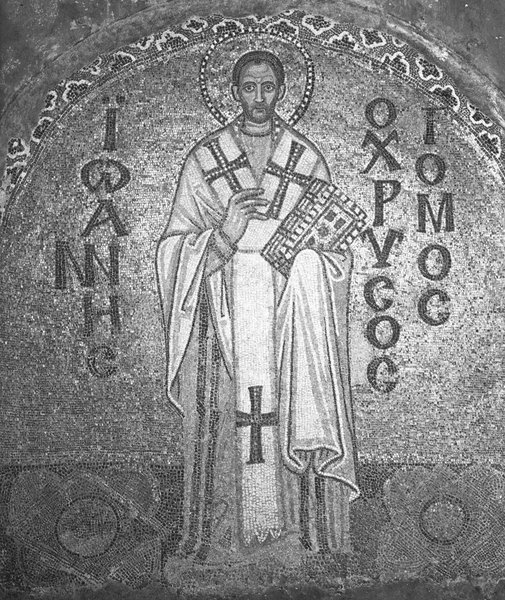
Concerning Lowliness of Mind
Humility, Chrysostom says, is the foundation without which every virtue falls, as the Pharisee was shipwrecked in the harbour. He then rescues Paul’s “whether in pretence or in sincerity” from those who use it to excuse heresy — Paul’s rivals preached sound doctrine from spite, hoping to rouse Nero against him — and ends with the Canaanite woman, whose persistence made the unworthy worthy.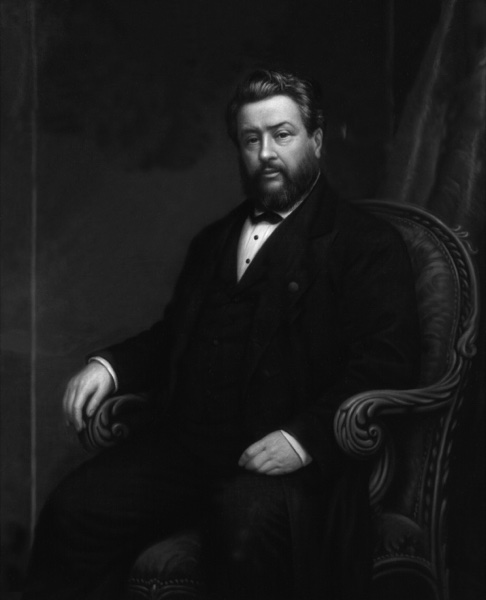
Consolation in Christ
As the Holy Spirit is the Comforter, Spurgeon argues, Christ is the comfort itself. He traces Christ from the eternal covenant through his incarnation, poverty, cross and tomb, his resurrection, ascension, intercession and coming, gathering consolation at every step, then commends that comfort as unrivalled, unfailing, all-powerful and everlasting. He lands on a personal question: Christ is no consolation to the self-righteous, but backslider and seeker alike are commanded to come and trust him just as they are.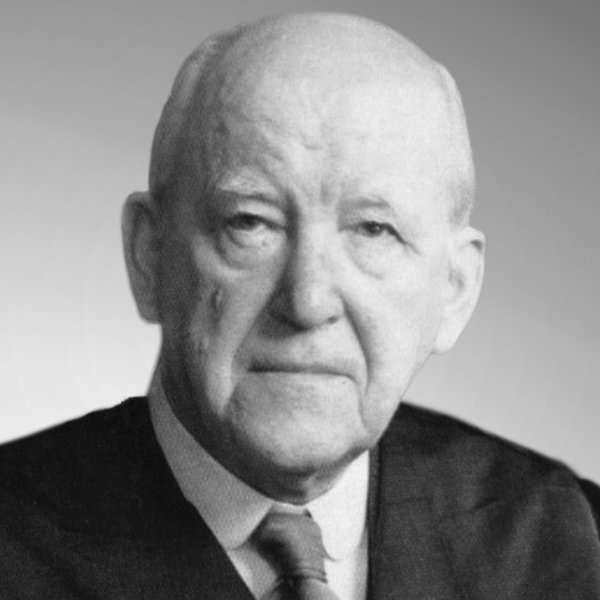
Working Out Our Own Salvation
“Work out your own salvation … for it is God which worketh in you.” Lloyd-Jones holds the two halves together — human effort and divine working — against both passive quietism and anxious self-effort.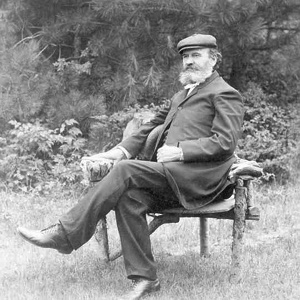
The Christian Temper, Supernatural and Divine
Simpson argues that the Christian temper is supernatural, not natural. He follows Paul's progression: giving up even his own righteousness, sharing Christ's sufferings, and being made conformable to His death. The power of Christ's resurrection comes first and makes surrender joyful. He ends with the hope of the first resurrection.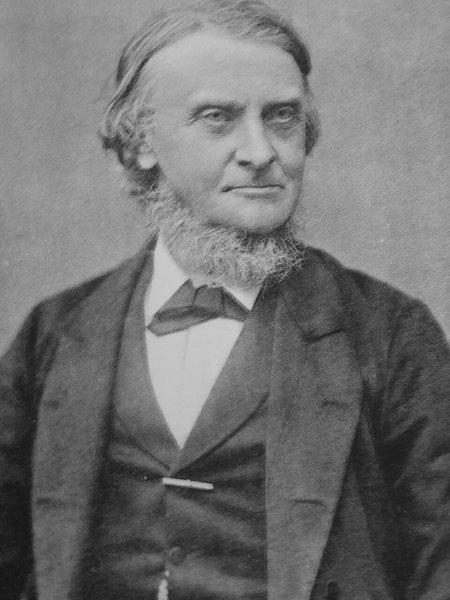
Rejoice Evermore
Writing as a prisoner who may soon be a martyr, Paul fills Philippians with gladness, and Maclaren draws three lessons from his doubled command. Joy rests on close union with Christ, being "in the Lord"; it can be continuous, making us masters of temperament and independent of circumstances, finding gladness in others’ good, in common things and even in sorrow; and it is a Christian duty that makes believers living witnesses. He ends with a joy that is neither partial nor transient.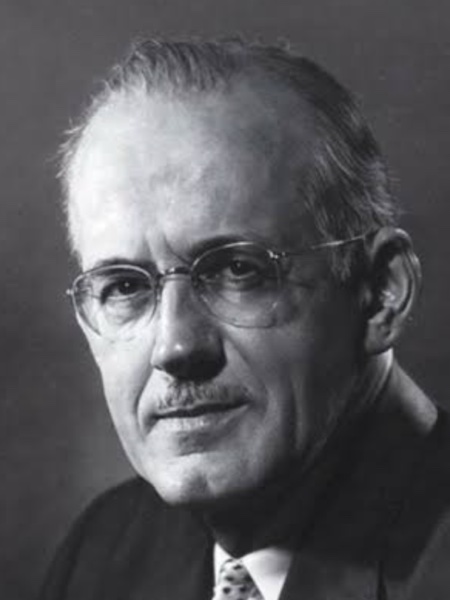
In Everything by Prayer
Tozer takes "in everything by prayer" from Philippians 4:6 as the church's motto, rooted in two coexisting kingdoms. The kingdom of man trusts its own sufficiency and works by money, prestige, publicity, committees and compromise; the kingdom of God admits it can do nothing and so does everything by prayer, which cannot be delegated.Questions and Answers
What is the Letter to the Philippians?
The eleventh book of the New Testament, a short letter of the apostle Paul to the church at Philippi in Macedonia, which he had founded around AD 49 (Acts 16). Written from prison, it thanks the Philippians for a gift, tells them his news, urges them to unity and humility after the example of Christ, warns against those who insisted on circumcision, and is full of joy. It contains the great passage on Christ’s humbling and exaltation (2:5–11) and the promise of God’s peace that is beyond all our understanding (4:6–7).
Who wrote Philippians, and where was Paul when he wrote it?
The apostle Paul, writing with Timothy (1:1). Almost all scholars agree the letter is his. He was in chains (1:13) and sent greetings from those in the emperor’s household (4:22). The traditional view, still the most widely held, is that he wrote from house arrest in Rome around AD 60–62; some scholars prefer an earlier imprisonment in Ephesus, around AD 54–55, and others Caesarea. Some also think the letter combines two or three shorter notes, though many defend it as a single letter.
What does it mean that Christ “emptied himself” in Philippians 2:7?
Paul says that Christ, being in the form of God, did not treat equality with God as something to exploit for himself, but emptied himself by taking on the form of a servant and becoming human, and humbled himself to death on a cross; so God exalted him and gave him the name above every name. The church has always held that the Son did not stop being God. He emptied himself by taking on what he was not, not by giving up what he was. Paul tells the story so that believers will think the same way toward one another (2:5).
What does Philippians 4:13 mean by “I can do all things through Christ”?
In this translation the verse reads “I have strength for every situation in the one who makes me strong.” It comes straight after Paul’s words about plenty and hunger: he has learned to be content in every situation, with plenty or with little, and the strength he means is strength to endure both. It is a promise of contentment and endurance whatever comes, more than of success in whatever we attempt. The oldest manuscripts say “the one who makes me strong”; the name “Christ” was added later, though it is plainly Christ whom Paul means.
Why is Philippians called the letter of joy?
The words “joy” and “rejoice” run through it more than a dozen times, though Paul is in chains, not knowing whether he will live or die, while some preachers try to make his imprisonment more painful. His joy does not rest on his circumstances: if Christ is proclaimed, he rejoices (1:18). He tells the Philippians, “Rejoice in the Lord always. I will say it again: rejoice!” (4:4), and sets beside it prayer in place of anxiety and the peace of God that guards the heart (4:6–7). It is also a letter between friends, warm with thanks for a partnership that began on the very first day.
Which translation of the Bible is this?
The Open Word Bible, a new translation made directly from the Greek and dedicated to the public domain, printed here at its Balanced level, which aims to be accurate and to read naturally aloud. The reasoning behind each of its sentences, with the Greek beside it, is published at openwordbible.org. The introduction and conclusion were written for this edition.
More like this





Taking books where there’s no signal? See Ochorus for missionaries or chaplains
About this text
- Source
- Scripture from the Open Word Bible (https://openwordbible.org), English, Balanced level, commit 64b913d623d6: dedicated to the public domain under CC0 1.0. The introduction and conclusion are by Ochorus. openwordbible.org
- Last updated
- November 13, 2026
- Rights
- Terms of Use
Cite this book
Copy a citation in the style you need.
- MLA
- Open Word Bible. The Letter to the Philippians. Ochorus, https://ochorus.com/books/philippians/.
- Chicago
- Open Word Bible. The Letter to the Philippians. Ochorus. https://ochorus.com/books/philippians/.
- Chicago footnote
- Open Word Bible, The Letter to the Philippians (Ochorus), https://ochorus.com/books/philippians/.
- BibTeX
- @book{openwordbibleletter, author = {{Open Word Bible}}, title = {{The Letter to the Philippians}}, publisher = {Ochorus}, url = {https://ochorus.com/books/philippians/} }