Book
The First Letter of Peter
Petrou A, “First of Peter”
Part of The Bible·Next in the series: The Second Letter of Peter
7 chapters · 29 min read · Accessible
Free to read · No account needed
Listen to the whole book 38 min listenAbout this book
A living hope for Christians suffering as exiles in the world.
- Author
- Peter
- Date
- c. AD 63
But you are a chosen people, a royal priesthood, a holy nation, a people God has claimed as his own, so that you may declare the great deeds of the one who called you out of the darkness into his amazing light.A letter of hope from the apostle Peter, sent from “Babylon”, most likely Rome, to believers scattered through Asia Minor who were being slandered and made to feel they did not belong: “Out of his great mercy he has given us a new birth.” An inheritance that can never decay, kept safe in heaven; faith tested like gold; a call to be holy, ransomed not with silver or gold but with the precious blood of Christ; living stones built into God’s house, a chosen people and a royal priesthood; Christ who suffered for us and left a pattern to follow, by whose bruises we are healed; a ready answer for the hope within; the fiery trial, the Chief Shepherd, and a roaring lion to stand against. In the Open Word Bible, a new translation from the Greek given freely to the public domain, with an introduction to the letter’s shape and meaning and a conclusion on where to read next.
From Peter, an apostle of Jesus Christ, to those God has chosen who live as foreigners, scattered through Pontus, Galatia, Cappadocia, Asia, and Bithynia. God the Father chose you as he knew beforehand, and the Spirit set you apart, so that you would obey Jesus Christ and be sprinkled with his blood. May grace and peace be yours in ever greater measure.
Contents
Sermons on this book
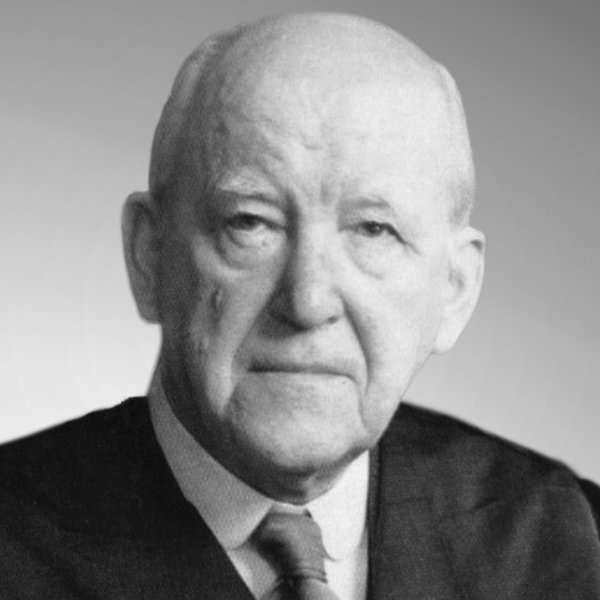
A Living Hope of the Hereafter
On Peter's opening doxology, Lloyd-Jones sets the believer's living hope and incorruptible inheritance, kept in heaven, against the fading and perishable hopes of the world.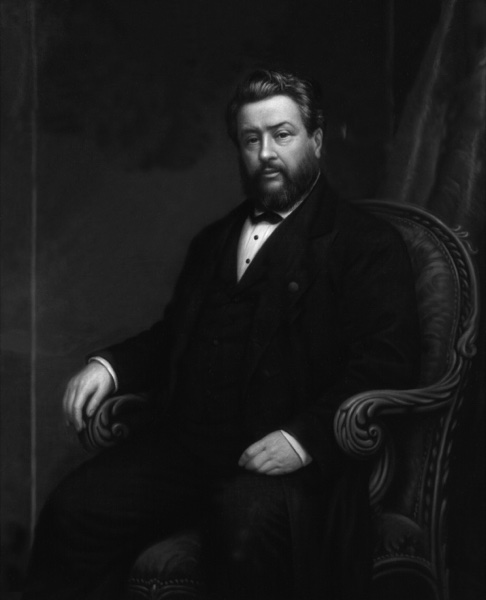
Christ Precious to Believers
The text Spurgeon first preached on at sixteen, in a cottage to a handful of poor people, when he could not have spoken on any other — and he takes it as plain fact before exhortation: to those who believe, Christ simply is precious. It turns at the last into a question, and a warning for the hearer who finds they cannot answer it.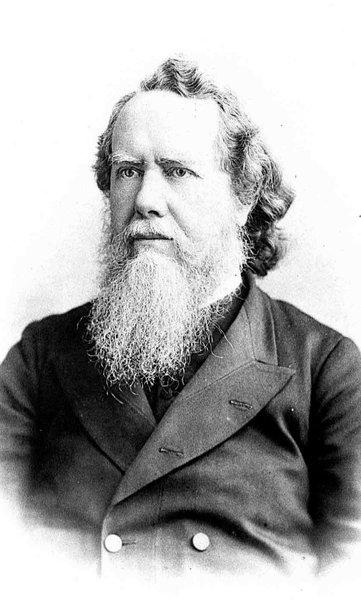
Under the Shepherd's Care
“Ye were as sheep going astray; but are now returned unto the Shepherd and Bishop of your souls.” A short study from A Ribband of Blue: what we were, what we have been brought back to, and how blessed it is to be watched over, provided for, and led by such a Shepherd. Hudson Taylor at his most tender.Questions and Answers
What is the First Letter of Peter?
The twenty-first book of the New Testament, a letter of encouragement to Christians in the Roman provinces of Pontus, Galatia, Cappadocia, Asia and Bithynia, in what is now Turkey. Most of them were Gentile converts who were slandered and mistreated by their neighbours for their new faith. Peter reminds them of the living hope they have through Christ’s resurrection, tells them they are God’s own people, and shows them how to live well, do good and endure suffering as Christ did. He sums up his purpose in 5:12: to encourage them and testify that this is the true grace of God.
Who wrote 1 Peter, and when?
The letter names the apostle Peter as its author and says it was written “through Silvanus” (5:12), who may have helped write it or carried it. It sends greetings from “Babylon”, which most readers take to mean Rome. The early church accepted it as Peter’s without dispute, and Polycarp quotes it early in the second century. If Peter wrote it, it dates from the early 60s, shortly before his death in Rome under Nero. Some scholars, pointing to its polished Greek, think it was written in his name by his followers in Rome some years later.
Why does 1 Peter call Christians foreigners and exiles?
Peter calls his readers people who “live as foreigners” (1:1) and “outsiders and temporary residents” (2:11), using words for people living away from home without the rights of citizens. Many of his readers were already treated as outsiders by their neighbours because of their faith. Peter tells them that this is, in a deeper sense, true: their real home and inheritance are with God, so they can live in this world honourably and without fear, as a people who belong to him.
What does it mean that Christ preached to the spirits in prison?
First Peter 3:18–20 says that Christ, put to death in the flesh and made alive in the spirit, “went and made a proclamation to the spirits in prison”, who had disobeyed in the days of Noah. It is one of the hardest passages in the New Testament, and Christians have read it in several ways: as Christ preaching through Noah to the people of his time, as Augustine thought; as Christ going to the realm of the dead between his death and resurrection; or, as many scholars now think, as the risen Christ announcing his victory to rebellious spiritual powers. All agree on Peter’s main point, that Christ now reigns over every power.
What does 1 Peter say about suffering?
More than almost any other book of the New Testament, 1 Peter is about suffering. It teaches that trials test and refine faith like gold in fire (1:6–7), that suffering for doing good follows the example of Christ, who suffered for us (2:21), that believers should not be surprised by a “fire” of trial but rejoice to share Christ’s sufferings (4:12–13), and that suffering lasts only “for a little while” before God himself restores and strengthens his people (5:10).
Which translation of the Bible is this?
The Open Word Bible, a new translation made directly from the Greek and dedicated to the public domain, printed here at its Balanced level, which aims to be accurate and to read naturally aloud. The reasoning behind each of its sentences, with the Greek beside it, is published at openwordbible.org. The introduction and conclusion were written for this edition.
More like this
Taking books where there’s no signal? See Ochorus for missionaries or chaplains
About this text
- Source
- Scripture from the Open Word Bible (https://openwordbible.org), English, Balanced level, commit 64b913d623d6: dedicated to the public domain under CC0 1.0. The introduction and conclusion are by Ochorus. openwordbible.org
- Last updated
- November 13, 2026
- Rights
- Terms of Use
Cite this book
Copy a citation in the style you need.
- MLA
- Open Word Bible. The First Letter of Peter. Ochorus, https://ochorus.com/books/1-peter/.
- Chicago
- Open Word Bible. The First Letter of Peter. Ochorus. https://ochorus.com/books/1-peter/.
- Chicago footnote
- Open Word Bible, The First Letter of Peter (Ochorus), https://ochorus.com/books/1-peter/.
- BibTeX
- @book{openwordbiblefirst, author = {{Open Word Bible}}, title = {{The First Letter of Peter}}, publisher = {Ochorus}, url = {https://ochorus.com/books/1-peter/} }