Book
Jeremiah
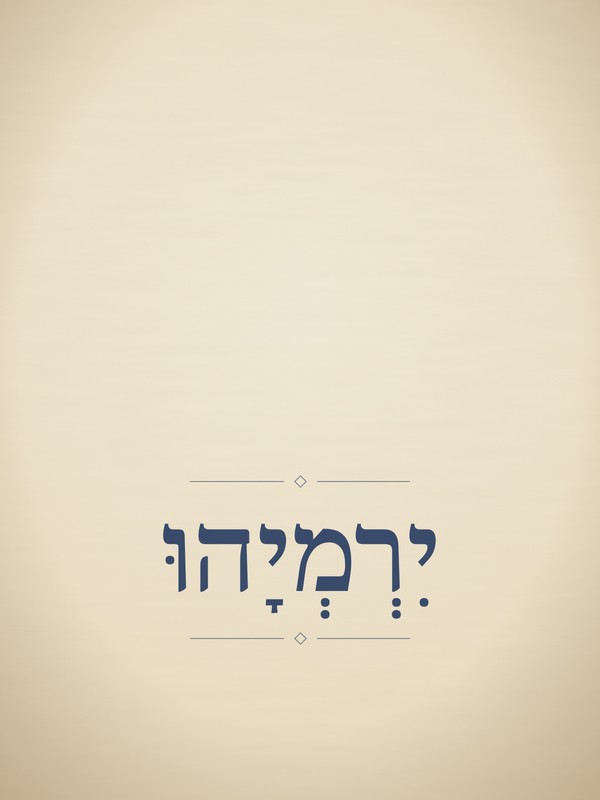
Yirmeyahu, “The Book of Jeremiah”
Part of The Bible·Next in the series: Lamentations
54 chapters · 3 hr 47 min read · Accessible
Free to read · No account needed
Listen to the whole book 4 hr 52 min listenAbout this book
Warnings before Jerusalem’s fall, and the promise of a new covenant.
- Author
- Jeremiah
- Date
- Late 7th to 6th century BC
Rather, this will be the covenant that I make with the house of Israel when those days are past, declares the LORD: I will set my instruction deep inside them and write it on their hearts. I will be their God, and they will be my people.The words of the weeping prophet, called as a youth “to uproot and to tear down, to destroy and overthrow, to build and plant”, who spent forty years warning Judah that Babylon was coming and watched Jerusalem burn. Broken cisterns and the temple sermon, the potter’s house and the yoke on his neck, the prophet’s own anguished prayers to God, a letter to the exiles telling them to seek the peace of the city, a scroll cut up and burned by a king, a cistern full of mud, and a field bought in a land about to fall. And at its heart the promise of a new covenant, God’s law written on the heart and sin remembered no more. In the Open Word Bible, a new translation from the Hebrew given freely to the public domain, with an introduction to the book’s shape and meaning and a conclusion on where to read next.
The words of Jeremiah son of Hilkiah, one of the priests at Anathoth in the territory of Benjamin, to whom the word of the LORD came during the reign of Josiah son of Amon, king of Judah, in the thirteenth year of Josiah’s reign, and it came during the reign of Jehoiakim son of Josiah, king of Judah, until the end of the eleventh year…
Contents
Sermons on this book
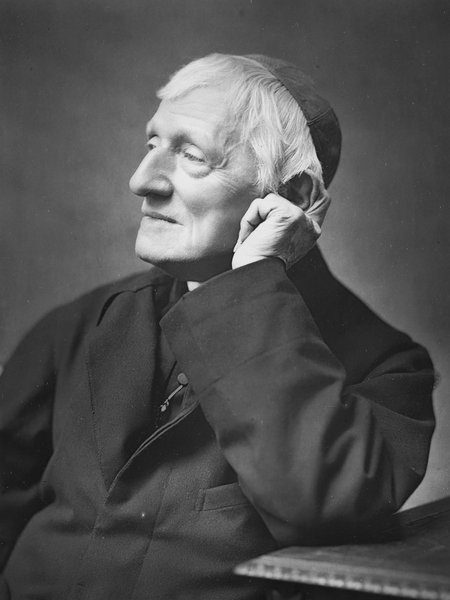
Jeremiah, a Lesson for the Disappointed
Newman presents Jeremiah as the most fully recorded of the persecuted prophets and a type of Christ, whose ministry he sums up in three words: good hope, labour, disappointment. Tracing the prophet’s hopeful start under Josiah, his long sufferings and his passage through complaint into resignation, Newman argues that every life begins in hope and meets disappointment. He ends by urging his hearers to accept trial, persevere without seeing fruit, and mourn now that they may rejoice more perfectly.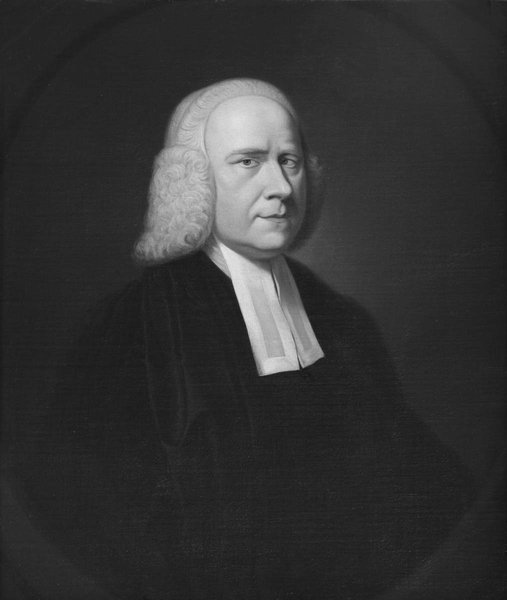
The Method of Grace
Whitefield's most famous sermon, on the false prophets who cry “Peace, peace” where there is no peace. He lays out the way God actually brings a soul to peace — conviction of actual sin, of original sin, of one's own righteousness, and of unbelief — before the heart closes with Christ. A searching sermon, preached to thousands in the open air.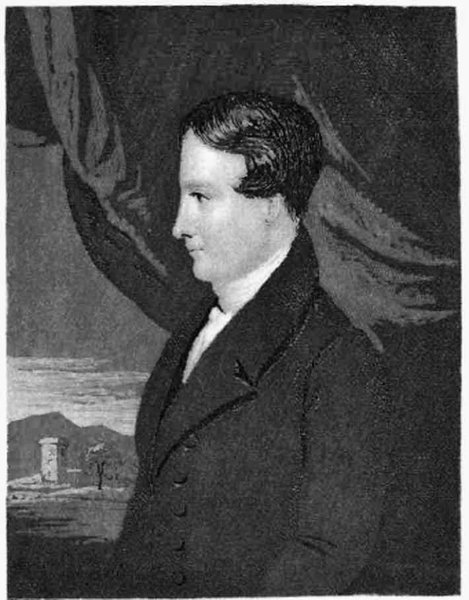
Why Is God a Stranger in the Land?
Jeremiah's complaint — that the hope of Israel behaves like a stranger in his own land, a wayfaring man who turns aside for a night — becomes M'Cheyne's cry for revival in Scotland. He names the reasons God withdraws from a people, and pleads for the “times of refreshing from the presence of the Lord.” The Lord Our Righteousness
Self-righteousness, Whitefield says, is the last idol rooted out of the heart. Against it he sets the doctrine that shaped his whole ministry: the righteousness of Christ imputed to the believer, so that the Lord himself is our righteousness. A sermon meant to strip a hearer of every plea but Christ.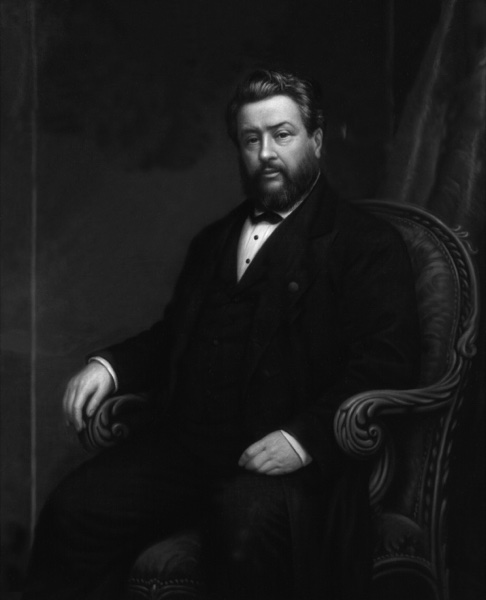
The Golden Key of Prayer
A promise born in prison: 'Call unto Me, and I will answer, and show you great and mighty things.' Spurgeon takes Jeremiah's word as the golden key that unlocks God's treasury — urging bold, expectant, persevering prayer, especially in affliction, where God reveals to the praying heart what study alone never could.Questions and Answers
What is the book of Jeremiah?
The second of the major prophets in the Old Testament, and by word count the longest book in the Bible. It gathers the messages of the prophet Jeremiah to Judah in its last forty years, from about 627 BC to the fall of Jerusalem to Babylon in 587 or 586 BC and after, with stories of his life and sufferings. Its pieces are arranged by theme rather than by date: oracles against Judah (chapters 1–25), Jeremiah and the false prophets (26–29), the Book of Consolation (30–33), the last years and the fall (34–45), oracles against the nations (46–51) and a closing account of the fall of Jerusalem (52).
Who wrote the book of Jeremiah, and when?
The book presents itself as “the words of Jeremiah son of Hilkiah, one of the priests at Anathoth” (1:1), spoken from the thirteenth year of King Josiah, about 627 BC, until after the fall of Jerusalem. Chapter 36 tells how Jeremiah dictated his messages to his scribe Baruch son of Neriah, and much of the story of his life may come from Baruch. The book exists in two ancient forms: the Hebrew text used by most Bibles and a shorter form, about an eighth shorter and arranged differently, preserved in the Greek Septuagint and some Dead Sea Scrolls. Scholars differ over how much later editing shaped the book, while agreeing that it gathers the words of the prophet and those closest to him.
Why is Jeremiah called the weeping prophet?
Because he grieved so openly for his people and for himself. “If only my head were all water and my eyes a fountain of tears, so that I could weep day and night for the slain of my dear people!” (9:1). His book includes a series of raw personal prayers, often called his confessions (in chapters 11–20), in which he complains to God, wishes he had never been born and says the word of God burns in his bones like fire. Tradition also linked him with the book of Lamentations, the poems of grief over fallen Jerusalem, which follows Jeremiah in English Bibles.
What is the new covenant in Jeremiah 31?
God’s promise in Jeremiah 31:31–34 to make “a new covenant” with Israel and Judah, unlike the one made at the exodus, which the people broke. This time God will write his instruction on their hearts, all of them will know him, “from the least to the greatest”, and he will forgive their guilt and remember their sin no more. It is the longest Old Testament passage quoted in the New Testament (Hebrews 8:8–12), and at the Last Supper Jesus called the cup “the new covenant in my blood” (Luke 22:20). Christians believe the promise is fulfilled in Christ and the gift of the Holy Spirit.
What does Jeremiah 29:11 mean?
The verse, “I have planned peace for you, not disaster, so as to give you a future and a hope”, comes from a letter Jeremiah sent to the Jews already taken captive to Babylon. False prophets were promising a quick return; Jeremiah told them to build houses, plant gardens, raise families and pray for the city where they lived, because the exile would last seventy years (29:10). The promise is not that hardship will be brief, but that God has not forgotten his people in it, and that those who seek him with all their heart will find him even there (29:13). Christians have rightly taken comfort from it, while reading it as the people it was first written to would have heard it.
Which translation of the Bible is this?
The Open Word Bible, a new translation made directly from the Hebrew and dedicated to the public domain, printed here at its Balanced level, which aims to be accurate and to read naturally aloud. The poetry, which makes up much of Jeremiah, is set out line by line, and “LORD” in capitals stands for God’s personal name. The reasoning behind each of its sentences, with the Hebrew beside it, is published at openwordbible.org. The introduction and conclusion were written for this edition.
More like this

Taking books where there’s no signal? See Ochorus for missionaries or chaplains
About this text
- Source
- Scripture from the Open Word Bible (https://openwordbible.org), English, Balanced level, commit 64b913d623d6: dedicated to the public domain under CC0 1.0. The introduction and conclusion are by Ochorus. openwordbible.org
- Last updated
- November 13, 2026
- Rights
- Terms of Use
Cite this book
Copy a citation in the style you need.
- MLA
- Open Word Bible. Jeremiah. Ochorus, https://ochorus.com/books/jeremiah/.
- Chicago
- Open Word Bible. Jeremiah. Ochorus. https://ochorus.com/books/jeremiah/.
- Chicago footnote
- Open Word Bible, Jeremiah (Ochorus), https://ochorus.com/books/jeremiah/.
- BibTeX
- @book{openwordbiblejeremiah, author = {{Open Word Bible}}, title = {{Jeremiah}}, publisher = {Ochorus}, url = {https://ochorus.com/books/jeremiah/} }