
Book
The Letter of James
Iakōbou, “Of James”
Part of The Bible·Next in the series: The First Letter of Peter
7 chapters · 28 min read · Accessible
Free to read · No account needed
Listen to the whole book 36 min listenAbout this book
Faith that works: wisdom, patience, and doing the word, not only hearing it.
- Author
- Traditionally James, the Lord’s brother
- Date
- Mid-1st century AD
Be people who carry out the word, not just people who hear it. Otherwise you are fooling yourselves.The most practical book in the New Testament, written by James, the brother of the Lord, to believers scattered among the nations, and full of the teaching of Jesus: “Be people who carry out the word, not just people who hear it.” Joy in trials and wisdom given to anyone who asks; every good gift coming down from the Father of lights; no favouritism toward the rich; faith that is dead without works, and Abraham and Rahab who showed theirs; the tongue as a small fire that sets a forest ablaze; the wisdom from above; friendship with the world and the grace that is greater; the farmer waiting for the rain; and the prayer of faith, with Elijah as its example. The letter Luther called “an epistle of straw”, and the church has kept as its conscience. In the Open Word Bible, a new translation from the Greek given freely to the public domain, with an introduction to the letter’s shape and meaning and a conclusion on where to read next.
From James, a servant of God and of the Lord Jesus Christ. To the twelve tribes scattered among the nations: greetings. My brothers and sisters, whenever you find yourselves in trials of every sort, regard it as a reason for great joy, because you know that the testing your faith goes through produces endurance.
Contents
Sermons on this book
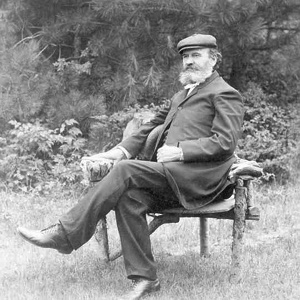
The Practical Discipline of Life
Simpson presents James as the apostle of practical living and traces two disciplines. Temptation is not from God, but God overrules it: it reveals the heart, teaches prayer and watchfulness, finishes patience and wins a crown. Providence turns the wheel between prosperity and adversity, and Simpson urges finding victory in God in every condition. The Practical Hope of the Lord's Coming
Simpson makes the Lord's return "a weapon for life's warfare" rather than a theme for theologians. With James he reads greed, hoarding, luxury and oppression of laborers as signs of the last days, and calls the wronged to Christ's own patience: that day will right every wrong, pay every withheld wage, and bring in the harvest of all fragmentary work. Practical Prayer
Prayer, Simpson argues from James, is meant to come down to the level of everyday life. He traces its place in ordinary affairs, in trial, in joy, in sickness and in intercession, insisting nothing is too small or too hard to bring to God, and lands on Elijah's "effectual fervent prayer" — intense, pointed prayer for others that expects an answer.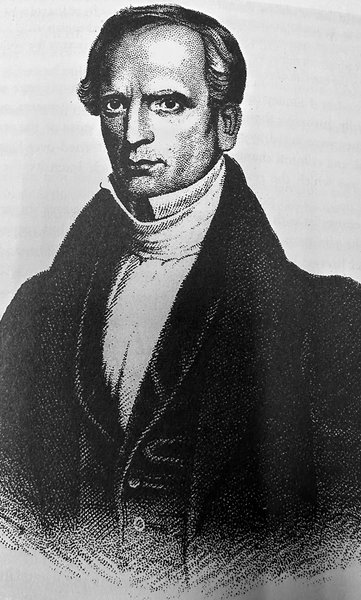
Prevailing Prayer
“The effectual, fervent prayer of a righteous man availeth much.” From his Lectures on Revivals of Religion: what prevailing prayer is, why so little prayer prevails, and the marks of prayer that does — praying for a definite object, in submission to God's will, by the Spirit, in faith, with importunity. Finney at his most practical and most searching.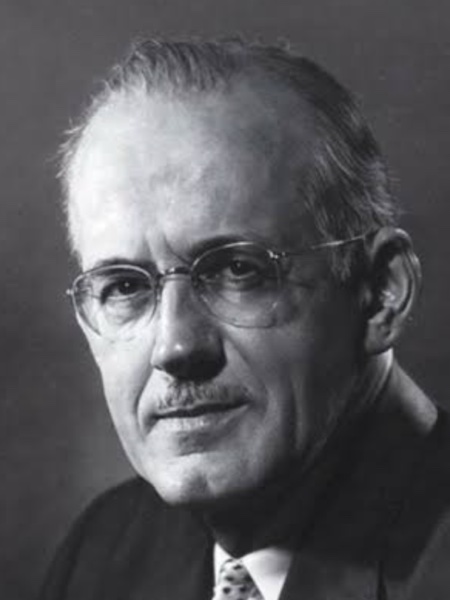
The Praying Church
Tozer separates true prayer from the fashionable, selfish praying of his day and calls the gathered church to strategic prayer for two things: a restored vision of the Most High God and deliverance of the church from its Babylonian captivity to the world. Against money, publicity, committees and compromise, the church's rule is "in everything by prayer."Questions and Answers
What is the Letter of James?
The twentieth book of the New Testament, a short letter of practical wisdom addressed “To the twelve tribes scattered among the nations”, most likely Jewish believers in Jesus living outside the land of Israel. In five chapters it speaks about trials, temptation, wealth and poverty, favouritism, faith and works, the tongue, quarrels, pride, patience and prayer. Its constant theme is that true faith shows itself in a changed life: “Be people who carry out the word, not just people who hear it” (1:22).
Who wrote the Letter of James, and when?
The writer calls himself “James, a servant of God and of the Lord Jesus Christ”. From early times the church has identified him as James the brother of Jesus, who became the leader of the church in Jerusalem and was stoned there around AD 62, according to the historian Josephus. If he wrote it, it dates from before his death, possibly from the 40s, which would make it one of the earliest books of the New Testament. Some scholars think a later follower wrote it in his name, pointing to its polished Greek and its slow acceptance by the wider church.
Do James and Paul disagree about faith and works?
James writes that “it is by works that a person is justified, and not by faith only” (2:24), while Paul writes that a person is declared righteous by faith apart from works of the law (Romans 3:28), and both cite Abraham. Most Christians have held that they do not contradict each other but answer different questions: Paul denies that anyone can earn God’s favour by keeping the law, while James denies that a faith which produces no love and obedience is real faith at all. As the Reformers put it, faith alone justifies, but the faith that justifies is never alone.
Why did Martin Luther call James “an epistle of straw”?
In the preface to his German New Testament of 1522, Luther compared James with the letters he valued most, Romans, Galatians, 1 Peter and the Gospel and First Letter of John, and called it “an epistle of straw” beside them, because he found in it little of Christ and of the gospel of free grace, and thought its words on justification clashed with Paul’s. The phrase was dropped from later editions of the preface, and in his preface to James itself Luther praised it as a good book, because it sets up no human teaching and insists firmly on God’s law.
What does James say about the tongue?
Chapter 3 says that the tongue, though small, steers a whole life as a bit steers a horse or a rudder a ship, and that like a spark it can set a forest on fire. People have tamed every kind of animal, but no one can tame the tongue: with it we bless God and curse people made in his likeness. James calls for speech shaped by “the wisdom from above”, which is pure, peaceable, gentle and full of mercy (3:17), and elsewhere urges everyone to be “eager to listen, slow to speak, and slow to anger” (1:19).
Which translation of the Bible is this?
The Open Word Bible, a new translation made directly from the Greek and dedicated to the public domain, printed here at its Balanced level, which aims to be accurate and to read naturally aloud. The reasoning behind each of its sentences, with the Greek beside it, is published at openwordbible.org. The introduction and conclusion were written for this edition.
More like this

Taking books where there’s no signal? See Ochorus for missionaries or chaplains
About this text
- Source
- Scripture from the Open Word Bible (https://openwordbible.org), English, Balanced level, commit 64b913d623d6: dedicated to the public domain under CC0 1.0. The introduction and conclusion are by Ochorus. openwordbible.org
- Last updated
- November 13, 2026
- Rights
- Terms of Use
Cite this book
Copy a citation in the style you need.
- MLA
- Open Word Bible. The Letter of James. Ochorus, https://ochorus.com/books/james/.
- Chicago
- Open Word Bible. The Letter of James. Ochorus. https://ochorus.com/books/james/.
- Chicago footnote
- Open Word Bible, The Letter of James (Ochorus), https://ochorus.com/books/james/.
- BibTeX
- @book{openwordbibleletter, author = {{Open Word Bible}}, title = {{The Letter of James}}, publisher = {Ochorus}, url = {https://ochorus.com/books/james/} }