Chapter 6 · 3 min read · 4 min listen
James 5
In this chapter
James warns the rich who have hoarded wealth and cheated their workers, and urges patience until the Lord comes. Believers are not to swear oaths, to pray in trouble and sickness, and to bring back one who wanders from the truth.
A warning to the rich
1Listen now, you who are rich: weep and cry out in grief over the miseries that are about to fall on you. 2Your riches have rotted away, and your clothes have been eaten by moths. 3Your gold and silver have corroded, and the corrosion on them will stand as evidence against you and will devour your flesh. What you have heaped up in the last days is like fire. 4Listen! The pay you held back from the laborers who mowed your fields is crying out, and the shouts of the harvesters have reached the ears of the Lord of Armies. 5Your life on earth has been soft and given over to pleasure. You have fattened your hearts in a day of slaughter. 6You have condemned and murdered the righteous. Does he not oppose you? 7So then, brothers and sisters, wait patiently until the Lord comes. Think of the farmer, who waits for the land to yield its precious harvest and is patient over it until the early and late rains have come. 8You must be patient as well. Make your hearts firm, for the Lord’s coming has drawn near. 9Stop complaining about one another, brothers and sisters, or you yourselves will be judged. Look: the Judge is already standing at the doors. 10Brothers and sisters, look to the prophets who spoke in the Lord’s name, and take them as your example of hardship borne with patience. 11Indeed, we call those who endured blessed. You have heard of Job’s endurance, and you have seen the outcome the Lord gave, for the Lord is rich in compassion and mercy.
Do not swear oaths
12Above everything else, my brothers and sisters, do not swear oaths, whether by heaven or by earth or by anything else. When you say yes, let it be a plain yes, and when you say no, a plain no, so that you do not fall under judgment.
Prayer in trouble and sickness
13Is any one of you going through hardship? That person should pray. Is anyone in good spirits? That person should sing praises. 14Is anyone among you ill? That person should call for the elders of the church, and they should pray over the sick person and anoint the sick person with oil in the name of the Lord. 15The prayer made in faith will save the one who is ill, and the Lord will raise them up. And if they have committed sins, they will be forgiven. 16So make it your practice to confess your sins to each other and to pray for each other, so that you may be healed. When a righteous person prays, that prayer is at work, and it can do a great deal. 17Elijah was a human being just like us. He prayed earnestly that it would not rain, and no rain fell on the land for three years and six months. 18Then he prayed again, and the sky gave rain and the land produced its crops.
Bringing back one who wanders
19My brothers and sisters, if one of you wanders away from the truth and someone brings that person back, 20let the one who does so know this: whoever brings a sinner back from the wrong path will save that sinner’s soul from death and will cover a great number of sins.
Treated in 140 passages across the library.
Most quoted in the classics
Sermons on this chapter
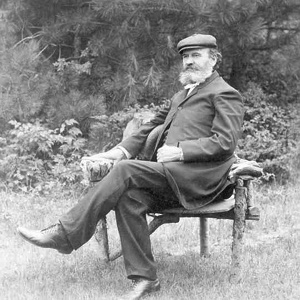
The Practical Hope of the Lord's Coming
Simpson makes the Lord's return "a weapon for life's warfare" rather than a theme for theologians. With James he reads greed, hoarding, luxury and oppression of laborers as signs of the last days, and calls the wronged to Christ's own patience: that day will right every wrong, pay every withheld wage, and bring in the harvest of all fragmentary work. Practical Prayer
Prayer, Simpson argues from James, is meant to come down to the level of everyday life. He traces its place in ordinary affairs, in trial, in joy, in sickness and in intercession, insisting nothing is too small or too hard to bring to God, and lands on Elijah's "effectual fervent prayer" — intense, pointed prayer for others that expects an answer.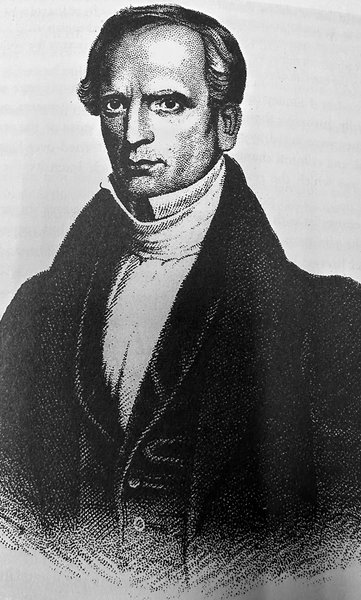
Prevailing Prayer
“The effectual, fervent prayer of a righteous man availeth much.” From his Lectures on Revivals of Religion: what prevailing prayer is, why so little prayer prevails, and the marks of prayer that does — praying for a definite object, in submission to God's will, by the Spirit, in faith, with importunity. Finney at his most practical and most searching.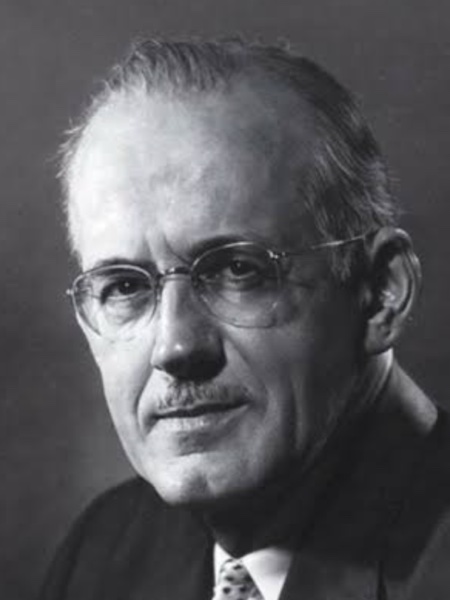
The Praying Church
Tozer separates true prayer from the fashionable, selfish praying of his day and calls the gathered church to strategic prayer for two things: a restored vision of the Most High God and deliverance of the church from its Babylonian captivity to the world. Against money, publicity, committees and compromise, the church's rule is "in everything by prayer."Cross-references from OpenBible.info, CC BY