Book
Deuteronomy
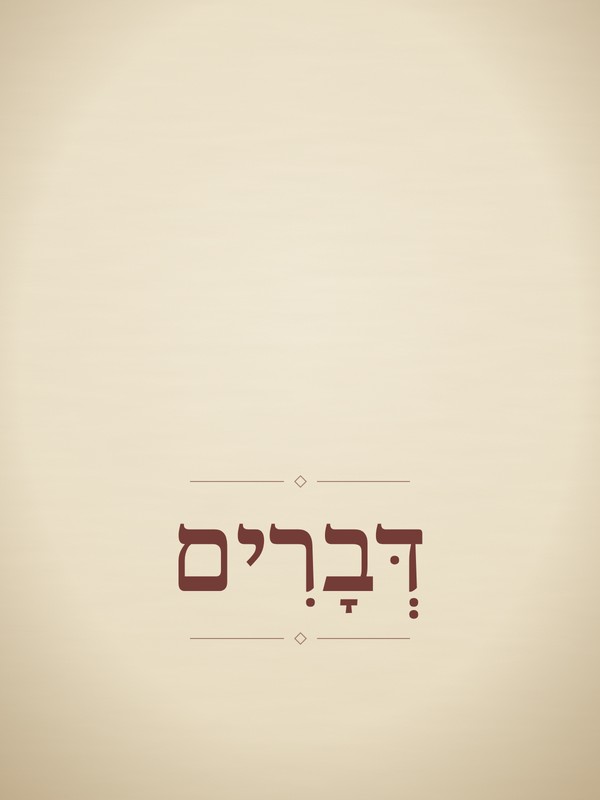
Devarim, “Words”
Part of The Bible·Next in the series: Joshua
36 chapters · 2 hr 37 min read · Accessible
Free to read · No account needed
Listen to the whole book 3 hr 23 min listenAbout this book
Moses’ last words to Israel: love the LORD your God and keep his covenant.
- Author
- Traditionally Moses
- Date
- Date uncertain
Hear, Israel: the LORD our God, the LORD is one. You are to love the LORD your God with your whole heart, with your whole being, and with all your strength.The fifth book of the Bible, called in Hebrew Devarim from its opening, “These are the words Moses spoke to all Israel”: Moses’ farewell to a new generation on the plains of Moab, with the promised land in sight across the Jordan and his own death near. He retells the forty years, gives the Ten Commandments again, and sets at the heart of everything the Shema, “Hear, Israel: the LORD our God, the LORD is one”, with the command to love God with the whole heart. Then laws for life in the land, with open hands for the poor and justice for the outsider, the fatherless and the widow; a prophet promised like Moses; blessing and curse; the call to choose life; the song of the Rock; and Moses on Mount Nebo, seeing the land he will not enter. In the Open Word Bible, a new translation from the Hebrew given freely to the public domain, with an introduction to the book’s shape and meaning and a conclusion on where to read next.
These are the words Moses spoke to all Israel in the wilderness across the Jordan: in the Arabah facing Suph, between Paran and Tophel, Laban, Hazeroth and Di-zahab. It is eleven days’ journey from Horeb to Kadesh-barnea by the Mount Seir road.
Contents
Sermons on this book
Christian Charity
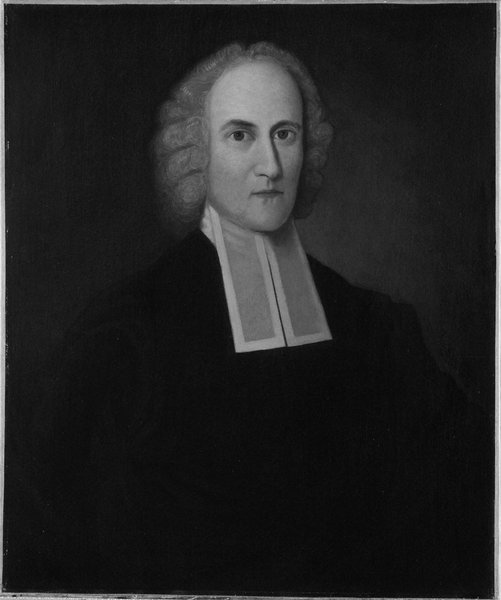
“Thou shalt open thine hand wide unto thy brother.” Edwards presses giving to the poor as a duty as binding as prayer, reminding his hearers that their goods are only lent to them and that what they give is bread cast upon the waters. Then he answers their excuses one by one: the poor are not in extremity, they are ungrateful, the town provides.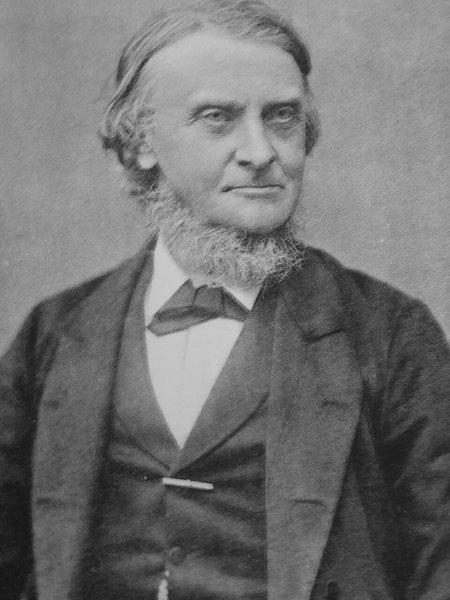
The Eagle and Its Brood
From the eagle stirring up its nest, Maclaren draws three thoughts: a God in whom terrible strength and fatherly tenderness belong together; life as an apprenticeship meant to train us for something greater; and the variety of God’s methods, who disturbs our comfort, hovers near, and bears us up on His own wings. He ends with the promise that the half-fledged brood shall "mount up with wings as eagles." Sinners in the Hands of an Angry God
The most famous sermon ever preached in America. At Enfield, Connecticut, in the summer of 1741, Edwards read this in a level voice while his hearers cried out and clung to the pillars: the unconverted held over the pit by nothing but the hand of a God who is under no obligation to keep holding. Its terror is in service of one appeal — that an extraordinary opportunity stands open now. At the Bush
Taking Moses’ blessing on Joseph, Maclaren calls God’s “goodwill”—His delight in us and active purpose of good for us—the blessing of blessings. He finds in the name “Him that dwelt in the bush” God’s choice of lowly hearts, His unwasting eternal life, and His will to deliver. He ends by showing how that favour is surely won: by faith in Christ and the obedient love it evokes.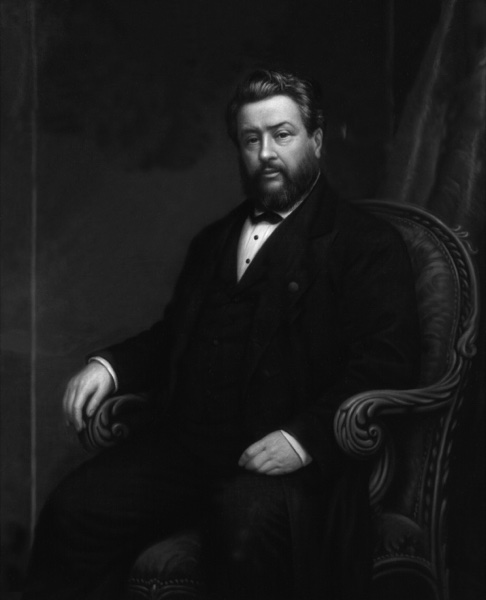
As Thy Days, So Shall Thy Strength Be
As night reveals the stars, human weakness makes room for the promise “As thy days, so shall thy strength be.” Spurgeon exposes that weakness in duty, suffering, progress and temptation, then opens the promise: guaranteed by omnipotence, limited to each day’s real need, yet wide enough for the biggest day, fitted to every change and long enough to reach death and judgment. He closes by warning the godless that their strength will fail.Questions and Answers
What is the book of Deuteronomy?
The fifth and last of the five books of Moses. Its Hebrew name, Devarim, “Words”, comes from its opening line; the name Deuteronomy, Greek for “second law”, comes from the Greek translation of “a copy of this law” in 17:18. It is made mainly of Moses’ farewell speeches to Israel on the plains of Moab: a retelling of the journey (chapters 1–4), the commandments and laws for life in the land (5–26), blessings and curses and the covenant renewed (27–30), and Moses’ last days and death (31–34). It is the law of Sinai preached again to a new generation.
Who wrote the book of Deuteronomy?
The book says that Moses spoke these words and wrote down “this law” (31:9, 24), and Jewish and Christian tradition has received it as his, with the account of his death in chapter 34 long read as added by another hand. Many scholars connect it instead with “the book of the law” found in the temple in King Josiah’s reign, in 622 BC, whose reforms follow its laws closely (2 Kings 22–23), and think it was completed later still. Others hold that it preserves Moses’ own covenant, shaped for later generations. Christians hold a range of views on these questions.
What is the Shema?
The words of Deuteronomy 6:4–9, named from their first word in Hebrew, “Hear”: “Hear, Israel: the LORD our God, the LORD is one. You are to love the LORD your God with your whole heart, with your whole being, and with all your strength.” Jewish prayer has recited them morning and evening for many centuries, and Jesus gave them when he was asked for the greatest commandment (Mark 12:29–30). The Hebrew of 6:4 can be read in more than one way, as “the LORD is one” or “the LORD alone”, and both readings confess that Israel’s God is the only God.
Why was Moses not allowed to enter the promised land?
Because at the waters of Meribah, when the people quarreled with him for lack of water, Moses struck the rock instead of speaking to it, and God said that he and Aaron had not trusted him or shown his holiness before the people (Numbers 20:10–12; Deuteronomy 32:51). Moses pleaded to be allowed across (Deuteronomy 3:23–26), but was told only to look at the land from the summit of Pisgah. He died on Mount Nebo, and the book says that no one knows where his grave is (34:6). In the Gospels he appears in the land at last, talking with Jesus on the mountain of the transfiguration.
Who is the prophet like Moses in Deuteronomy 18?
Moses tells Israel, “The LORD your God will raise up a prophet for you like me, one of your own fellow Israelites from among you. It is to him you must listen” (18:15). The words can be read of the true prophets who followed Moses one after another. But the book’s last chapter says that no prophet like Moses had arisen (34:10), and by the time of Jesus many were waiting for “the Prophet”. In Acts 3:22 Peter says that Jesus is the one Moses meant.
Which translation of the Bible is this?
The Open Word Bible, a new translation made directly from the Hebrew and dedicated to the public domain, printed here at its Balanced level, which aims to be accurate and to read naturally aloud. The reasoning behind each of its sentences, with the Hebrew beside it, is published at openwordbible.org. The introduction and conclusion were written for this edition.
More like this
Taking books where there’s no signal? See Ochorus for missionaries or chaplains
About this text
- Source
- Scripture from the Open Word Bible (https://openwordbible.org), English, Balanced level, commit 64b913d623d6: dedicated to the public domain under CC0 1.0. The introduction and conclusion are by Ochorus. openwordbible.org
- Last updated
- November 13, 2026
- Rights
- Terms of Use
Cite this book
Copy a citation in the style you need.
- MLA
- Open Word Bible. Deuteronomy. Ochorus, https://ochorus.com/books/deuteronomy/.
- Chicago
- Open Word Bible. Deuteronomy. Ochorus. https://ochorus.com/books/deuteronomy/.
- Chicago footnote
- Open Word Bible, Deuteronomy (Ochorus), https://ochorus.com/books/deuteronomy/.
- BibTeX
- @book{openwordbibledeuteronomy, author = {{Open Word Bible}}, title = {{Deuteronomy}}, publisher = {Ochorus}, url = {https://ochorus.com/books/deuteronomy/} }