Book
Numbers
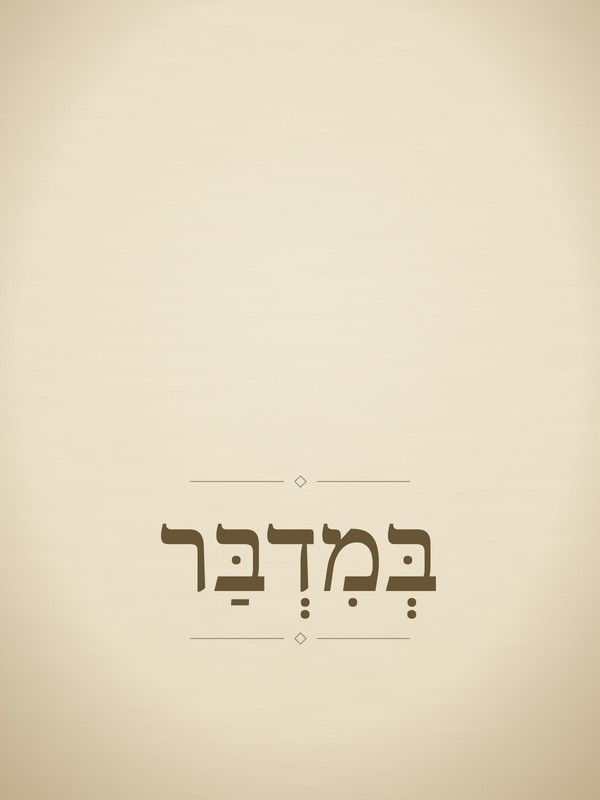
Bemidbar, “In the wilderness”
Part of The Bible·Next in the series: Deuteronomy
38 chapters · 2 hr 52 min read · Accessible
Free to read · No account needed
Listen to the whole book 3 hr 41 min listenAbout this book
Israel’s forty years in the wilderness, between Sinai and the promised land.
- Author
- Traditionally Moses
- Date
- Date uncertain
God is not a human, who might lie, nor a mortal, who might change course. Would he say something and not do it? Would he speak and not make it happen?The fourth book of the Bible, called in Hebrew Bemidbar, “In the wilderness”, from its first verse, and in English Numbers, after the two counts of the people that frame it. Israel sets out from Sinai with the tribes camped around the tabernacle, the priestly blessing on their heads and the cloud going before them, and almost at once they begin to complain. Moses longs for all the LORD’s people to be prophets; twelve scouts come back from Canaan, ten of them feeling like grasshoppers, and the people refuse to go in; Korah rebels, Aaron’s staff blossoms, Moses strikes the rock, and a bronze snake is lifted up on a pole. Then the seer Balaam, hired to curse, can only bless and sees a star come out of Jacob, and a new generation stands at last on the plains of Moab. In the Open Word Bible, a new translation from the Hebrew given freely to the public domain, with an introduction to the book’s shape and meaning and a conclusion on where to read next.
The LORD spoke to Moses in the wilderness of Sinai, in the tent of meeting, on the first day of the second month in the second year after the people of Israel came out of the land of Egypt.
Contents
Sermons on this book
The Guiding Pillar
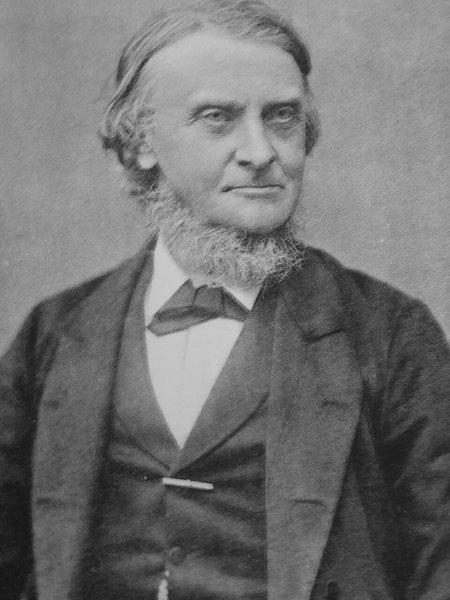
Maclaren reads the pillar of cloud and fire as a picture of God’s guidance, which we now have more truly in Christ. The double pillar shows that every revelation both veils and reveals God, and that He brightens as our night grows darker. Its unpredictable movements mirror our own uncertain lives. He ends by urging watchful, patient, prompt obedience, holding the present loosely so we can follow wherever the pillar leads.
Caleb: A Different Spirit
Preaching from Numbers 14:24 on the report of the twelve spies, Evans contrasts the church's contentment with a manna-and-quail wilderness existence against Caleb's "another spirit" that wholly followed the Lord into the promised land. Turning to Caleb's plea for Hebron in Joshua 14, he traces five marks of Caleb's seed — worship, wholly following God, a different spirit, renewed youth, and the conquest of giants — illustrated by a young Chinese businessman's sudden conversion, and closes with a call to strive, now, into God's rest rather than settle for the wilderness.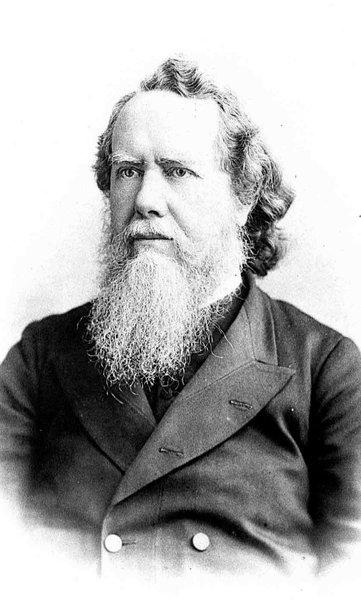
A Ribband of Blue
Israel was commanded to wear a ribband of blue — heaven's own colour — on the fringe of every garment, that they might remember and do all the LORD's commandments. Taylor makes it a picture of the believer marked out for God, carrying a heavenly reminder to obedience into the ordinary detail of daily life.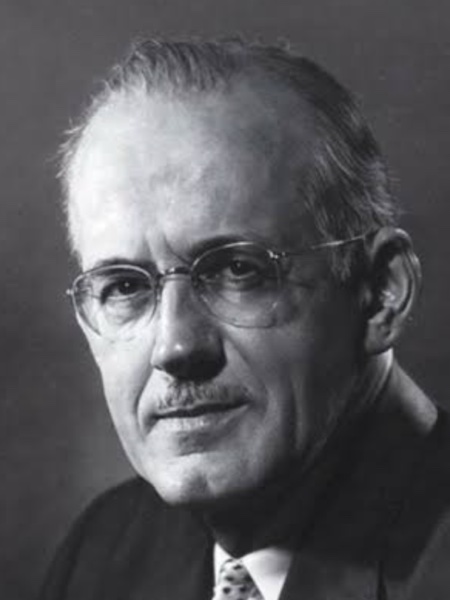
God's Best Is Himself
Tozer draws on the landless priestly tribe of Levi, to whom God said "I am thy part and thine inheritance," to show that God's best gift is himself. Answered prayer, love, mercy, eternal life, holiness and power are all God imparting himself, so he must be sought for himself alone, and then everything else is added.The Vain Wish
Balaam, a seer in Moab who would serve both Baal and Jehovah, prayed "Let me die the death of the righteous." Bonar shows what the prayer meant, a share in the death and resurrection of God's people, and what it revealed: a real but passing longing that left him as carnal as before. Such wishes save no one, yet one may be a beginning, and Bonar presses the hearer to let it lead him to Christ, for dying in Jesus begins with living in him.Questions and Answers
What is the book of Numbers?
The fourth book of the Bible and of the five books of Moses. Its Hebrew name, Bemidbar, means “In the wilderness”; its English name comes, through Latin, from the Greek translation and refers to the two censuses of the people in chapters 1 and 26. Its thirty-six chapters follow Israel from Mount Sinai to the plains of Moab, across the Jordan from Jericho, over some forty years: the generation that came out of Egypt refuses to enter the promised land and dies in the wilderness, and their children are counted and made ready to go in.
Who wrote the book of Numbers?
Numbers does not name its author, though it says that Moses recorded the stages of the journey (33:2), and Jewish and Christian tradition has received it as one of the five books of Moses. Many scholars think it gathers old lists, laws and stories that reached their final form much later. Christians hold a range of views on how it was composed, while receiving it as Scripture; the New Testament reads its story as written down to warn and teach the church (1 Corinthians 10:11).
Why did Israel wander in the wilderness for forty years?
Because at Kadesh, after twelve scouts had explored Canaan, the people believed the ten who said the land could not be taken and refused to go in, even proposing to choose a leader and return to Egypt (Numbers 13–14). God pardoned them at Moses’ prayer, but declared that the generation which had refused the land would not enter it. They would wander forty years, a year for each day the scouts were in the land, and only Caleb and Joshua, who had trusted God, would go in with the next generation. Hebrews 3:19 sums it up: “it was unbelief that kept them from entering.”
What is the bronze snake in Numbers 21?
When the people spoke against God and Moses, fiery snakes came among them, and many died. When they confessed their sin, God told Moses to make a snake and set it on a pole, and whoever had been bitten and looked at it lived (Numbers 21:4–9). Centuries later, when the Israelites had been burning incense to it, King Hezekiah smashed it (2 Kings 18:4). Jesus took it as a picture of his own death: “Moses lifted up the serpent in the wilderness, and in the same way the Son of Man must be lifted up” (John 3:14).
Who was Balaam, and what is the star out of Jacob?
Balaam son of Beor was a famous seer from Aram whom Balak king of Moab hired to curse Israel (Numbers 22–24). On the way his donkey saw the angel of the LORD barring the road when he could not, and when he came to curse, he could speak only blessing. In his fourth oracle he says, “A star will march out of Jacob, and a scepter will rise from Israel” (24:17), words that Jews and Christians alike have read as a promise of the Messiah. The New Testament remembers Balaam less kindly, as a man who loved the pay he could get for doing wrong (2 Peter 2:15), and Numbers 31:16 says Israel’s sin at Peor came on his advice.
Which translation of the Bible is this?
The Open Word Bible, a new translation made directly from the Hebrew and dedicated to the public domain, printed here at its Balanced level, which aims to be accurate and to read naturally aloud. The reasoning behind each of its sentences, with the Hebrew beside it, is published at openwordbible.org. The introduction and conclusion were written for this edition.
More like this

Taking books where there’s no signal? See Ochorus for missionaries or chaplains
About this text
- Source
- Scripture from the Open Word Bible (https://openwordbible.org), English, Balanced level, commit 64b913d623d6: dedicated to the public domain under CC0 1.0. The introduction and conclusion are by Ochorus. openwordbible.org
- Last updated
- November 13, 2026
- Rights
- Terms of Use
Cite this book
Copy a citation in the style you need.
- MLA
- Open Word Bible. Numbers. Ochorus, https://ochorus.com/books/numbers/.
- Chicago
- Open Word Bible. Numbers. Ochorus. https://ochorus.com/books/numbers/.
- Chicago footnote
- Open Word Bible, Numbers (Ochorus), https://ochorus.com/books/numbers/.
- BibTeX
- @book{openwordbiblenumbers, author = {{Open Word Bible}}, title = {{Numbers}}, publisher = {Ochorus}, url = {https://ochorus.com/books/numbers/} }