Book
The Gospel of Matthew
Kata Maththaion, “According to Matthew”
Part of The Bible·Next in the series: The Gospel of Mark
30 chapters · 2 hr 23 min read · Accessible
Free to read · No account needed
Listen to the whole book 3 hr 4 min listenAbout this book
Jesus the Messiah fulfils the Scriptures and brings the kingdom of heaven.
- Author
- Traditionally Matthew
- Date
- 1st century AD
Do not suppose that I have come to do away with the law or the prophets. I have not come to do away with them but to fulfill them.The first book of the New Testament, which opens with a family line from Abraham through David to “Jesus, who is called Christ”, and shows again and again that in him the promises of Israel’s Scriptures were fulfilled. The wise men and their star; the Sermon on the Mount, with the beatitudes and the Lord’s Prayer; parables of the kingdom of heaven, from the mustard seed to the pearl of great price; Peter’s confession and the promise of the church; the sheep and the goats; the cross, the guarded tomb, and the risen Lord sending his disciples to make disciples of all the nations, with the promise “I myself am with you every day, until the close of the age.” In the Open Word Bible, a new translation from the Greek given freely to the public domain, with an introduction to the book’s shape and meaning and a conclusion on where to read next.
The record of the family line of Jesus Christ, the son of David, the son of Abraham. Abraham was the father of Isaac, Isaac of Jacob, and Jacob of Judah and his brothers. Judah was the father of Perez and Zerah by Tamar. Perez was the father of Hezron, and Hezron of
Contents
Read alongside
Commentaries and expositions of this book in the library.



Sermons on this book
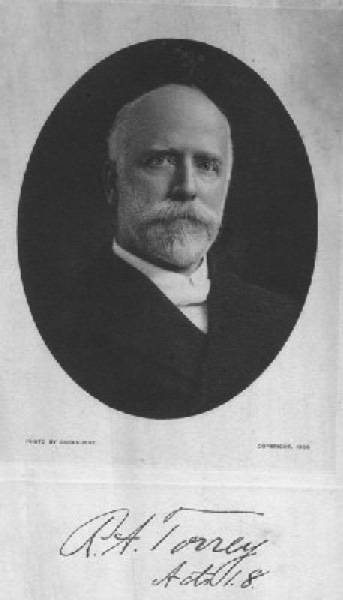
Three Fires
Torrey preaches three fires — the fire of the Spirit that purifies, the fire of trial that refines, and the fire of judgment that consumes — and asks which the hearer will meet.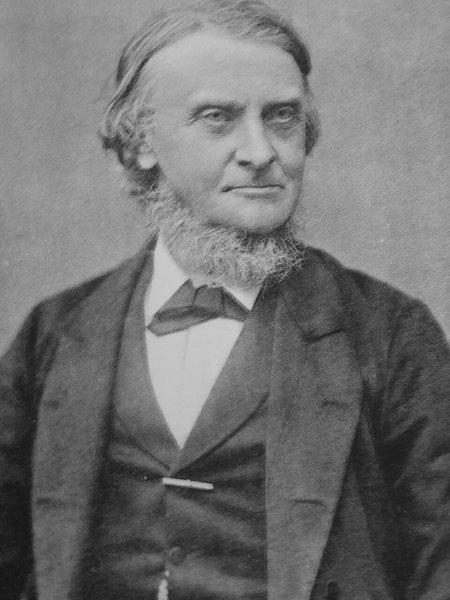
The First Beatitude
Maclaren calls the first Beatitude a paradox to the world yet inwardly true. Poverty of spirit is a lowly, just estimate of ourselves, grounded in our dependence on God and, more deeply, in our sin. It is blessed because it is the door into Christ’s Kingdom, because it draws God’s riches to our need, and because it is its own reward. He ends with the Master girt with a servant’s towel, promising rest. The Second Beatitude
Maclaren reads the Beatitudes as a chain and finds the blessed mourners among the poor in spirit: those who grieve over their own sin. Such sorrow sobers and ennobles character, sweetens outward affliction, and lives alongside the deepest joy. Its comfort is sure, both present (forgiveness, cleansing and submission to God's will) and future, and he ends by bringing all grief to Christ, who came "to give unto them that mourn in Zion a diadem for ashes".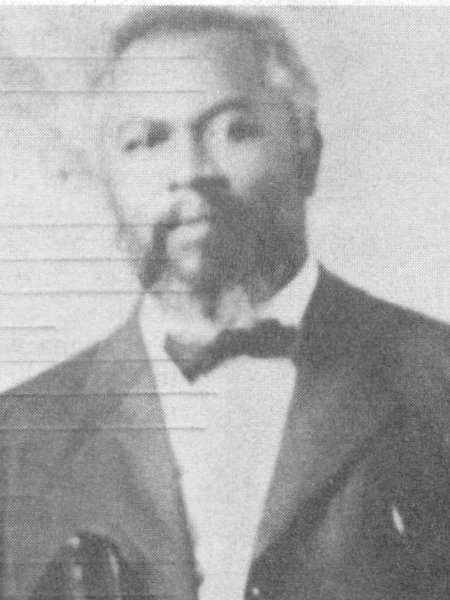
Letter to One Seeking the Holy Ghost
A pastoral letter of encouragement to a believer seeking the baptism with the Holy Spirit. Seymour rests on Christ's promise that the hungry shall be filled, walks through justification and sanctification, and urges the seeker to keep praying and tarrying until filled. From The Apostolic Faith (Los Angeles), June–September 1907.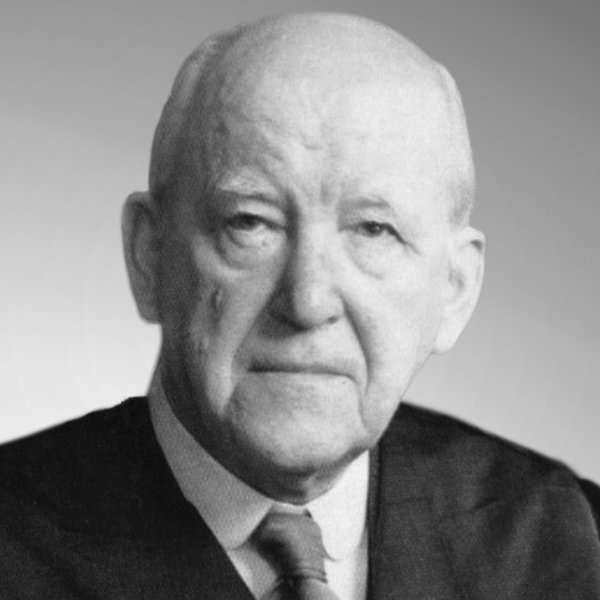
The Salt of the Earth
From the Sermon on the Mount, Lloyd-Jones turns from the Christian's character to the Christian's function: to be salt in a decaying world. He warns against salt that has lost its savour and calls the church to a distinctiveness that preserves. The Light of the World
Lloyd-Jones expounds one of the most astounding things ever said of a Christian — that he is the light of the world — and shows how a life lit from within cannot be hidden, but points those who see it to the Father.Questions and Answers
What is the Gospel of Matthew?
The first of the four Gospels, the accounts of the life, death and resurrection of Jesus in the New Testament, and for most of the church’s history the most read of them. It presents Jesus as the son of David and the son of Abraham, Israel’s Messiah, in whom the Scriptures are fulfilled, and gathers his teaching into five long speeches, beginning with the Sermon on the Mount (chapters 5–7). It ends with the risen Jesus sending his disciples to all the nations (28:18–20).
Who wrote the Gospel of Matthew, and when?
The Gospel does not name its author. From the second century the church gave it to Matthew, the tax collector who became one of the Twelve (9:9). Papias, early in the second century, said that Matthew wrote the oracles in the Hebrew language. Most scholars today think the author drew on Mark’s Gospel and date the book to the decades after AD 70; others hold that Matthew wrote first, or date it in the 60s.
Why does Matthew say “kingdom of heaven” instead of “kingdom of God”?
Devout Jews often said “heaven” rather than speak the name of God too freely, and Matthew, writing as a Jew for readers who knew the Scriptures, follows their custom. The kingdom of heaven is not a different kingdom from the kingdom of God in Mark and Luke, and it does not mean only a place people go when they die. It is God’s own rule, which Jesus says “has come near” (4:17).
What are the five speeches in Matthew?
Matthew gathers Jesus’s teaching into five long speeches, each ending with almost the same words, “When Jesus had finished”: the Sermon on the Mount (5–7), the sending of the Twelve (10), the parables of the kingdom (13), life together in the community of disciples (18), and the end of the age (24–25). Between them come stories of what Jesus did. Many readers have heard an echo of the five books of Moses.
What does Matthew 16:18 mean by “on this rock I will build my church”?
Jesus plays on Peter’s name, which means rock, after Peter confesses him as the Christ, the Son of the living God. Christians have long differed on what the rock is: Peter himself, as the first of the apostles; the faith he has just confessed; or Christ, the only foundation. Matthew is the only Gospel in which Jesus speaks of the church, here and in 18:17.
Which translation of the Bible is this?
The Open Word Bible, a new translation made directly from the Greek and dedicated to the public domain, printed here at its Balanced level, which aims to be accurate and to read naturally aloud. The reasoning behind each of its sentences, with the Greek beside it, is published at openwordbible.org. The introduction and conclusion were written for this edition.
More like this
Taking books where there’s no signal? See Ochorus for missionaries or chaplains
About this text
- Source
- Scripture from the Open Word Bible (https://openwordbible.org), English, Balanced level, commit 64b913d623d6: dedicated to the public domain under CC0 1.0. The introduction and conclusion are by Ochorus. openwordbible.org
- Last updated
- November 13, 2026
- Rights
- Terms of Use
Cite this book
Copy a citation in the style you need.
- MLA
- Open Word Bible. The Gospel of Matthew. Ochorus, https://ochorus.com/books/gospel-of-matthew/.
- Chicago
- Open Word Bible. The Gospel of Matthew. Ochorus. https://ochorus.com/books/gospel-of-matthew/.
- Chicago footnote
- Open Word Bible, The Gospel of Matthew (Ochorus), https://ochorus.com/books/gospel-of-matthew/.
- BibTeX
- @book{openwordbiblegospel, author = {{Open Word Bible}}, title = {{The Gospel of Matthew}}, publisher = {Ochorus}, url = {https://ochorus.com/books/gospel-of-matthew/} }