

Book
The Second Letter of Peter
Petrou B, “Second of Peter”
Part of The Bible·Next in the series: The First Letter of John
5 chapters · 18 min read · Accessible
Free to read · No account needed
Listen to the whole book 24 min listenAbout this book
Grow in grace, beware false teachers, and wait for the day of the Lord.
- Author
- Traditionally Peter
- Date
- c. AD 65
The Lord is not delaying the promise, as some people think of delay. Rather, he is being patient with you. He does not want anyone to be destroyed, but wants all people to turn back in repentance.A farewell letter in Peter’s name, written by one who knows he must soon lay aside “this tent of a body”, so that his readers will remember what matters most. God’s divine power has given us every gift that leads to life and godliness, and promises by which we may share in the divine nature; so add to faith goodness, knowledge, self-control, endurance, godliness, affection and love. The apostles were eyewitnesses on the holy mountain, not tellers of clever stories; false teachers will come, and God knows how to rescue the godly; and to the scoffers who ask “Where is this promise of his coming?”, the answer that with the Lord a day is like a thousand years, that he is patient, not wanting anyone to be destroyed, and that we look for new heavens and a new earth, where righteousness is at home. In the Open Word Bible, a new translation from the Greek given freely to the public domain, with an introduction to the letter’s shape and meaning and a conclusion on where to read next.
From Simeon Peter, a servant and apostle of Jesus Christ, to those who, through the righteousness of our God and Savior Jesus Christ, have received a faith that is worth just as much as our own. May you have grace and peace in ever greater measure as you know God and Jesus our Lord.
Contents
Sermons on this book
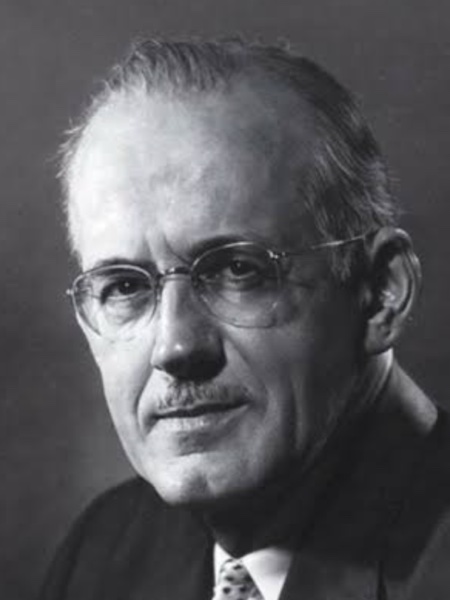
How to Grow in Grace
Tozer reads Peter's closing charge — beware being led away, but grow in grace — as a warning sign on a dangerous road. Everyone is led by someone, and a soul left alone grows wild like an untended garden. He lands on the ordinary means of grace: Scripture, prayer, reverent worship, good books, open witness and separation from what pollutes.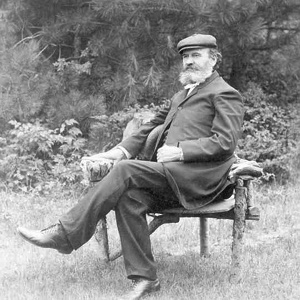
Spiritual Growth
Simpson argues that Christian growth starts from sanctification rather than leading to it: once Christ indwells, every grace is already provided in Him. The believer must still give all diligence, blending faith, virtue, knowledge, temperance and love into one harmony like a chorus, for only growth keeps us from falling, and it ends in an abundant entrance.Questions and Answers
What is the Second Letter of Peter?
The twenty-second book of the New Testament, a short farewell letter in which Peter, expecting to die soon, reminds his readers of the truth they have received. It urges them to grow in goodness, knowledge and love, warns against false teachers who promise freedom but live in greed and corruption, and answers those who mock the promise of Christ’s return: God’s seeming delay is his patience, giving people time to repent, and the day of the Lord will surely come. It ends with a call to keep growing in the grace and knowledge of Jesus Christ (3:18).
Did Peter write 2 Peter?
The letter names “Simeon Peter” as its author, recalls the transfiguration as something he saw, and calls itself his second letter. But its authorship has been questioned since early times: it is rarely quoted before the third century, Eusebius listed it among the books some disputed, and Jerome noted that its style differs from 1 Peter. Many modern scholars think a follower wrote it after Peter’s death, as a last testament in his name; others hold that Peter wrote it, perhaps with a different secretary, shortly before his martyrdom in the mid-60s. The church received it as Scripture after long consideration.
What does “a single day is like a thousand years” mean in 2 Peter 3:8?
Peter is answering scoffers who say the promise of Christ’s coming has failed because so much time has passed. Echoing Psalm 90, he says that God does not measure time as people do: “in the Lord’s sight a single day is like a thousand years, and a thousand years like a single day.” The point is not a formula for calculating dates, but that the Lord is not slow in keeping his promise. He is being patient, “He does not want anyone to be destroyed, but wants all people to turn back in repentance” (3:9).
What does 2 Peter mean by sharing in “the divine nature”?
In 1:3–4 Peter says that God’s divine power has given his people “every gift that leads to life and godliness”, and that through his promises they “may come to share in the divine nature, now that you have escaped the decay that desire has brought into the world.” The Eastern Orthodox churches have treasured the verse as a summary of salvation, God sharing his own life with human beings; Western Christians have more often spoken of union with Christ. All agree that Peter does not mean people become gods in their own right. He goes straight on to the qualities that should grow from this gift, from faith through goodness, knowledge, self-control, endurance and godliness to love (1:5–7).
Does 2 Peter say the earth will be burned up?
In 3:10 many later manuscripts, followed by the King James Version, say the earth and its works “will be burned up”. The oldest manuscripts read that they “will be found”, and the Open Word Bible follows them: “the earth and the deeds done on it will be found out”, laid bare before God. Peter does speak of fire: the present heavens and earth “are being held in store for fire” (3:7), and on the day of God “the elements will melt in the heat” (3:12). Christians differ over whether this means the old world is destroyed and replaced or purified and renewed, but Peter’s hope is plain: “new heavens and a new earth, where righteousness is at home” (3:13).
Which translation of the Bible is this?
The Open Word Bible, a new translation made directly from the Greek and dedicated to the public domain, printed here at its Balanced level, which aims to be accurate and to read naturally aloud. The reasoning behind each of its sentences, with the Greek beside it, is published at openwordbible.org. The introduction and conclusion were written for this edition.
More like this




Taking books where there’s no signal? See Ochorus for missionaries or chaplains
About this text
- Source
- Scripture from the Open Word Bible (https://openwordbible.org), English, Balanced level, commit 64b913d623d6: dedicated to the public domain under CC0 1.0. The introduction and conclusion are by Ochorus. openwordbible.org
- Last updated
- November 13, 2026
- Rights
- Terms of Use
Cite this book
Copy a citation in the style you need.
- MLA
- Open Word Bible. The Second Letter of Peter. Ochorus, https://ochorus.com/books/2-peter/.
- Chicago
- Open Word Bible. The Second Letter of Peter. Ochorus. https://ochorus.com/books/2-peter/.
- Chicago footnote
- Open Word Bible, The Second Letter of Peter (Ochorus), https://ochorus.com/books/2-peter/.
- BibTeX
- @book{openwordbiblesecond, author = {{Open Word Bible}}, title = {{The Second Letter of Peter}}, publisher = {Ochorus}, url = {https://ochorus.com/books/2-peter/} }