Book
The First Letter of John
Iōannou A, “First of John”
Part of The Bible·Next in the series: The Second Letter of John
7 chapters · 30 min read · Accessible
Free to read · No account needed
Listen to the whole book 39 min listenAbout this book
God is light and love: assurance for those who walk in his truth.
- Author
- Traditionally John the apostle
- Date
- Late 1st century AD
The one who does not love has never known God, for God is love.A letter with no greeting and no farewell, written by an old pastor to his “dear children” after a painful split in their church, so that those who stayed might know they have eternal life. It opens with the life that was heard, seen and touched with human hands, and returns again and again to three tests: what we believe about Jesus, whether we keep his commands, and whether we love one another. God is light; God is love; love has no room for fear; and we love because he loved us first. In the Open Word Bible, a new translation from the Greek given freely to the public domain, with an introduction to the letter’s shape and meaning and a conclusion on where to read next.
What was there from the beginning, what we have heard, what we have seen with our own eyes, what we looked at closely and touched with our hands—this is what we are speaking about: the word of life. That life was revealed.
Contents
Read alongside
Commentaries and expositions of this book in the library.

Sermons on this book
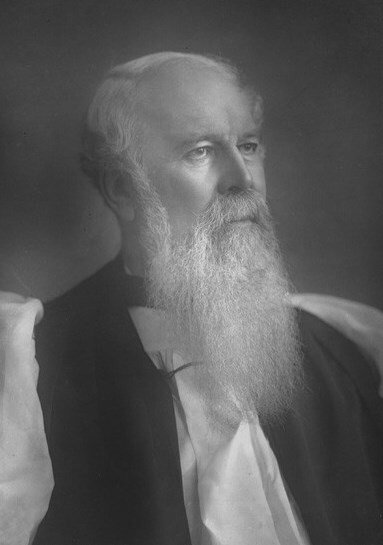
Are You Forgiven?
“Are you a pardoned soul?” Ryle presses the question home. All need forgiveness, and none comes through ministers, sacraments or tears, only through simple faith in Christ. He sets out a pardon that is full, free, present and everlasting, then names its marks: forgiven souls hate sin, love Christ, walk humbly and forgive others.The Expulsive Power of a New Affection
Chalmers holds that the heart cannot be argued out of its love of the world: it must have an object, and a desire torn away with nothing in its place leaves an unbearable void. Exposing the world’s vanity therefore fails; only the expulsive power of a new affection succeeds. He lands on the gospel, where God in Christ is revealed as an object of confidence to sinners, so that salvation by grace both pacifies the conscience and wins the heart from the world.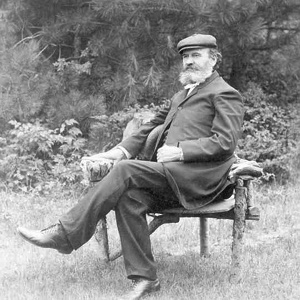
How to Abide
Simpson treats abiding in Christ as practice, not feeling: lived moment by moment, built by acts of will that harden into habit, and kept through self-repression, dependence, recognizing His presence and His hand in every circumstance, guarding the senses, inward prayer and vigilance. It ends with God made real by taking Him into the things that are real.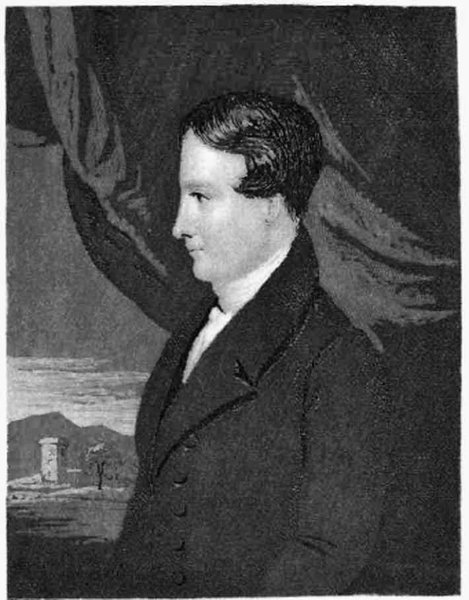
Adoption
Opening the words "what manner of love the Father hath bestowed upon us", M'Cheyne traces adoption from its fountain in the Father's free good pleasure, through the power of God alone, to its steps in regeneration and faith. He then counts the blessings of sonship: the Father's love, the Spirit of the Son, the family likeness, fatherly chastening, and an unfading inheritance. He closes by pleading with the unconverted to become children of God.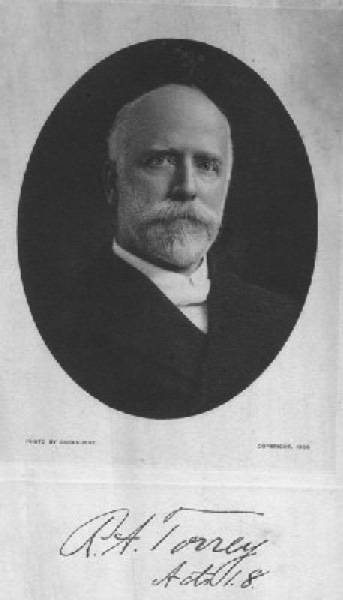
The Greatest Sentence That Was Ever Written
Torrey takes for his subject the greatest sentence ever written — three monosyllables, “God is love” — and marvels that the Book able to say more in a line than others say in a volume should crown all its sayings with this. He weighs what it means that love is not merely something God does but what God is, and follows the sentence to its proof at Calvary, where the love that is God’s very nature gave up his Son for a world that did not love him.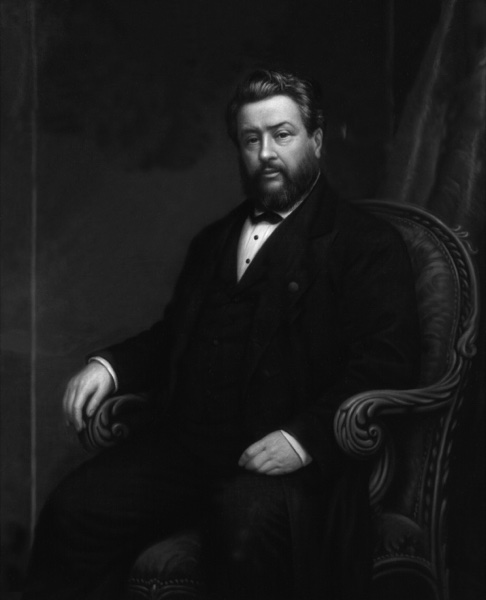
Love's Logic
Setting doctrine aside, Spurgeon reads his text as tested experience: a sense of God’s love to us is the main cause of our love to him. He shows that love to God is indispensable to the new birth, that it springs only from first believing God’s love, that a cooled backslider is rekindled the same way, and that the heights of love have no other road. He ends by urging believers to dwell on the thought that God loves them.Questions and Answers
What is the First Letter of John?
The twenty-third book of the New Testament, the longest of three letters that bear John’s name. It has no greeting or farewell and reads like a pastor’s sermon to a church he knows well. Written after a group had left the church denying that Jesus Christ had come in the flesh, it gives the believers who stayed ways to recognise the truth and to be sure of their standing with God. It states its own purpose in 5:13: so that you may know that you have eternal life.
Who wrote 1 John, and when was it written?
The letter does not name its author. He writes as an eyewitness of Jesus and as a father to his readers, in language very close to the Gospel of John. From the second century the church received it as the work of John the apostle, writing late in life at Ephesus, probably in the last decades of the first century. Some scholars think it came from a leader in the circle that treasured John’s witness, perhaps the “elder” of 2 and 3 John.
Why was 1 John written?
A group had left the church (“They went out from among us”, 2:19). They denied that Jesus is the Christ and would not confess him as one who has come in the flesh, while claiming to know God. The letter does not name them, and scholars debate whether they held the views later taught by Cerinthus or by those who said Christ only seemed to have a body. The writer reassures those who stayed and gives them tests of true faith: right belief about Jesus, obedience to his commands, and love for one another.
What does “God is love” mean in 1 John?
The phrase occurs twice, in 4:8 and 4:16, alongside the earlier statement that “God is light” (1:5). The letter says love is found first not in our love for God but in his love for us, shown in sending his Son as the atoning sacrifice for our sins (4:10). Because God is love, anyone who knows him will love others, not in words only but in deeds (3:18), and love leaves no room for fear (4:18).
Does 1 John teach that Christians do not sin?
It says both that anyone who claims to be free from sin is fooling themselves (1:8) and that whoever is born of God “does not go on sinning” (3:9). The tense of the Greek in chapter 3 describes a settled way of life rather than every single act. John Wesley drew on these verses for his teaching on Christian perfection; others read them as describing the direction of a believer’s life. All agree the letter calls Christians to holiness and promises forgiveness to those who confess their sins (1:9; 2:1–2).
Which translation of the Bible is this?
The Open Word Bible, a new translation made directly from the Greek and dedicated to the public domain, printed here at its Balanced level, which aims to be accurate and to read naturally aloud. Like most modern Bibles it does not include the words about the Father, the Word and the Holy Spirit found in 5:7 of the King James Version, which are not in any early Greek manuscript. The reasoning behind each of its sentences, with the Greek beside it, is published at openwordbible.org. The introduction and conclusion were written for this edition.
More like this

Taking books where there’s no signal? See Ochorus for missionaries or chaplains
About this text
- Source
- Scripture from the Open Word Bible (https://openwordbible.org), English, Balanced level, commit 64b913d623d6: dedicated to the public domain under CC0 1.0. The introduction and conclusion are by Ochorus. openwordbible.org
- Last updated
- November 13, 2026
- Rights
- Terms of Use
Cite this book
Copy a citation in the style you need.
- MLA
- Open Word Bible. The First Letter of John. Ochorus, https://ochorus.com/books/1-john/.
- Chicago
- Open Word Bible. The First Letter of John. Ochorus. https://ochorus.com/books/1-john/.
- Chicago footnote
- Open Word Bible, The First Letter of John (Ochorus), https://ochorus.com/books/1-john/.
- BibTeX
- @book{openwordbiblefirst, author = {{Open Word Bible}}, title = {{The First Letter of John}}, publisher = {Ochorus}, url = {https://ochorus.com/books/1-john/} }