Christ & the Cross
The person and work of the Saviour — the Lamb slain, the shame and triumph of the cross, the excellency of Christ, and the empty tomb.
Sermons
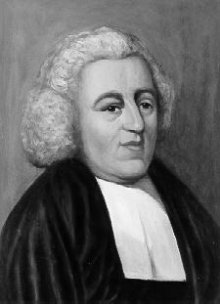 Sermon Behold the Lamb of God
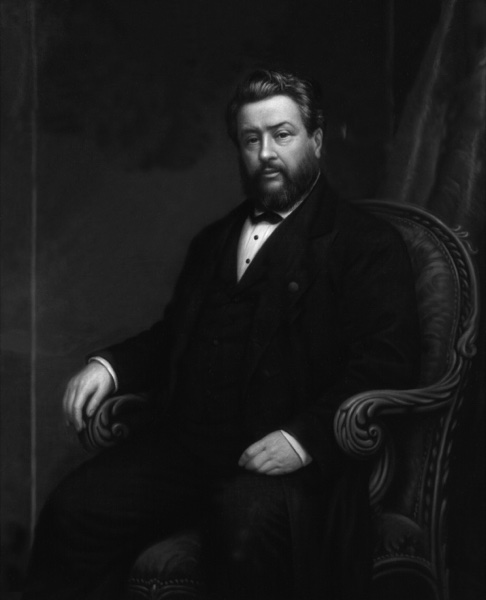 Sermon Christ Precious to Believers
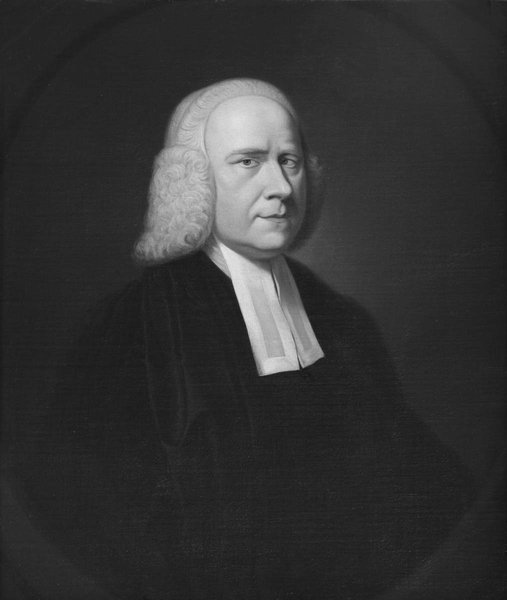 Sermon Christ the Believer's Wisdom, Righteousness, Sanctification and Redemption
 Sermon How to Contemplate Christ's Holy Sufferings
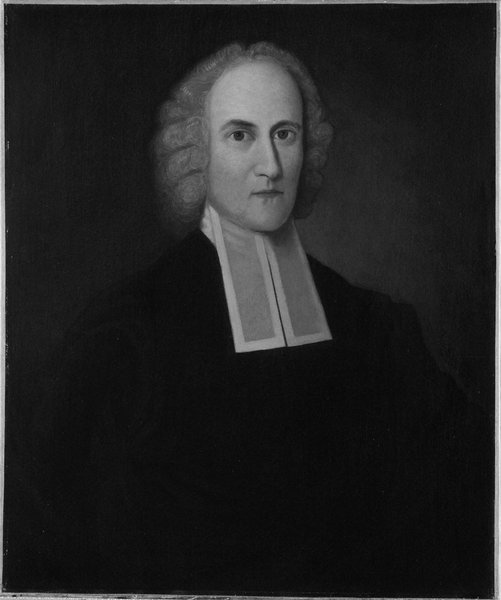 Sermon The Excellency of Christ
 Sermon The Resurrection of Jesus Sermon The Shameful Sufferer Sermon The Triumph of Calvary Sermon Worthy Is the Lamb
 Sermon The Triumph of the Resurrection
 Sermon Our Kinsman Redeemer Sermon Personal Responsibility
Authors
Questions and Answers
What is the Christ & the Cross collection about?
It gathers preaching on the person and work of the Saviour — the Lamb slain, the shame and triumph of the cross, the excellency of Christ, and the empty tomb. The shelf turns the reader's attention to the centre of the whole faith: who Jesus is, what He did at Calvary, and what His resurrection secured.
What sermons does it include?
Among them are "Behold the Lamb of God," "Christ Precious to Believers," "The Excellency of Christ," "How to Contemplate Christ's Holy Sufferings," "The Resurrection of Jesus," "The Shameful Sufferer," "The Triumph of Calvary," and "Worthy is the Lamb" — messages that dwell on the sufferings and glory of the Saviour from many angles.
What does it mean that Christ is the "Lamb slain"?
It is the shelf's recurring image — Jesus as the sacrifice offered for sin, the Lamb of God who takes away the sin of the world. Sermons like "Behold the Lamb of God" and "Worthy is the Lamb" press this: that the cross was not a tragedy that befell Christ but the offering He came to make, and that the slain Lamb is now the worthy one, adored in heaven.
How does the shelf hold together shame and triumph?
By refusing to separate them. Titles like "The Shameful Sufferer" and "The Triumph of Calvary" set side by side the humiliation of the cross — its scandal, pain, and apparent defeat — and its hidden victory, in which sin was borne away and death undone. The cross is presented as at once the lowest shame and the highest triumph of the Saviour.
What is the "excellency of Christ"?
The surpassing worth and beauty of the Saviour Himself — the theme of the sermon "The Excellency of Christ," which dwells on the wonder that in Him seemingly opposite glories meet: majesty and meekness, justice and mercy, the Lion and the Lamb. The shelf's aim is not only to explain what Christ did but to make the reader see how worthy He is.
What place does the resurrection have?
A central one — the empty tomb completes the shelf's account of the Saviour's work. "The Resurrection of Jesus" and the triumph sermons proclaim that Calvary's apparent defeat was reversed on the third day, so that the Lamb who was slain now lives, and the believer's hope rests not on a dead teacher but on a risen and reigning Lord.
Where should a reader begin?
"Behold the Lamb of God" is a fitting entry into the meaning of the cross; "The Excellency of Christ" lifts the eyes to the worth of the Saviour Himself; and "The Resurrection of Jesus" and "The Triumph of Calvary" carry the reader from Good Friday's shame to Easter's victory. Together they set the whole work of Christ before the reader.
Why is this the heart of the collection?
Because the person and work of Christ are the centre of the whole Christian faith, and every other theme flows from them. The shelf exists to keep the reader's gaze where it belongs — on the Lamb slain and risen, the shame and triumph of the cross, and the excellency of the Saviour who is worthy of all worship.