Book
2 Kings
Melakhim Bet, “Kings”
Part of The Bible·Next in the series: 1 Chronicles
27 chapters · 2 hr 11 min read · Accessible
Free to read · No account needed
Listen to the whole book 2 hr 49 min listenAbout this book
The kings of Israel and Judah, down to the fall of both kingdoms.
- Author
- Author unknown
- Date
- Completed in the exile, 6th century BC
Yet the LORD warned Israel and Judah through every prophet and every seer: “Turn back from your evil ways. Keep my commandments and my statutes, in keeping with the whole law that I commanded your ancestors and sent to you through my servants the prophets.”The second half of the book of Kings, which carries the story of God’s people from the chariot of fire that took Elijah up to heaven to the burning of Jerusalem. Elisha takes up his master’s cloak: a widow’s oil flows until there are no more jars, a Shunammite’s son opens his eyes, Naaman washes seven times in the Jordan, and a frightened servant sees the hills full of horses and chariots of fire. Then the kingdoms fall, Samaria to Assyria and Jerusalem to Babylon, though not before Hezekiah spreads a threatening letter before the LORD and Josiah hears the book of the law and tears his clothes. It ends with a captive son of David released from prison to eat at the king’s table. In the Open Word Bible, a new translation from the Hebrew given freely to the public domain, with an introduction to the book’s shape and meaning and a conclusion on where to read next.
After Ahab died, Moab rebelled against Israel. Ahaziah fell through the lattice of his upper room in Samaria and was injured. So he sent messengers, telling them, “Go and consult Baal-zebub, the god of Ekron, whether I will get over this injury.”
Contents
Sermons on this book
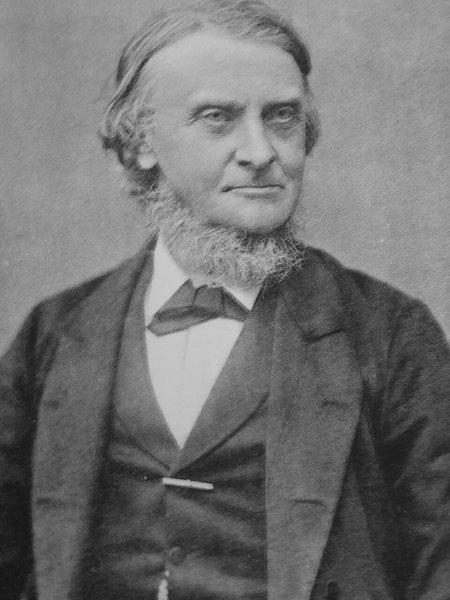
When the Oil Flows
From the widow whose oil kept pouring until there were no more vessels, Maclaren draws one lesson: God keeps giving Himself as long as we bring something He can fill. He names three vessels—a steadfast desire for God, a confident expectancy that He will answer, and an obedience that does not choke the gift. He ends by urging his hearers to bring all three and not go away empty.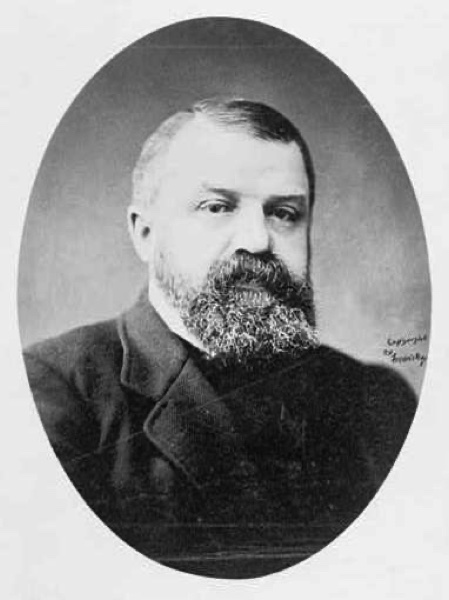
Naaman the Syrian
Moody makes the leprous Syrian captain a mirror for every sinner: great, honoured, capable — and yet carrying a blight no rank can cover. He follows Naaman past his pride at the plain command to wash in Jordan, past his “are not the rivers of Damascus better?”, down to the seventh dipping and the flesh come again like a little child’s — the gospel’s whole lesson that God’s cure is free and simple, and refused only by those too proud to stoop for it.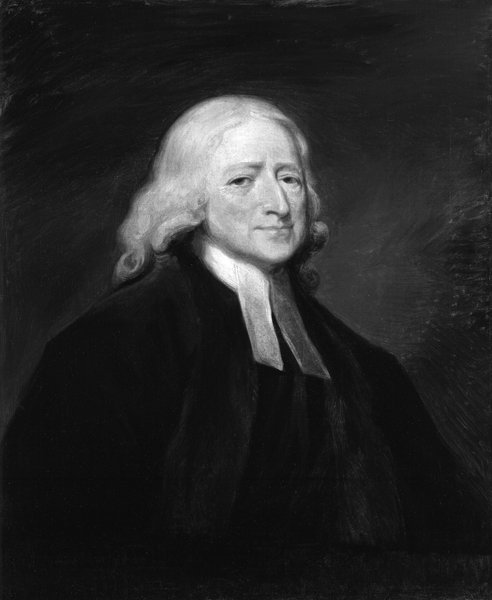
Catholic Spirit
“Is thine heart right, as my heart is with thy heart? ... give me thine hand.” Wesley builds a whole doctrine of Christian love on Jehonadab's answer: a man may differ from me in opinion and in worship and yet be one with me in heart. He is careful, though, to say what a catholic spirit is not — neither indifference to truth nor a speculative muddle — before naming what it is.Questions and Answers
What is the book of 2 Kings?
The second half of the book of Kings in the Old Testament, which in Hebrew is a single book called Melakhim, “Kings”. Its twenty-five chapters run from the middle of the ninth century BC to about 561 BC. Chapters 1–8 tell of the prophet Elisha; chapters 9–17 follow the kingdoms of Israel and Judah to the fall of Samaria to Assyria in 722 BC; and chapters 18–25 follow Judah alone, through the reigns of Hezekiah, Manasseh and Josiah, to the destruction of Jerusalem by Babylon in 586 BC and the release of King Jehoiachin in exile.
Who wrote 2 Kings, and when?
The book does not name its author. Jewish tradition, recorded in the Talmud, credited Kings to the prophet Jeremiah, and the last chapter of Jeremiah repeats the end of 2 Kings almost word for word. Many scholars think the book was completed during the exile in Babylon, since its last event, Jehoiachin’s release, can be dated to about 561 BC, and some think an earlier edition was made in the days of King Josiah. It draws on older royal records it names, the histories of the kings of Israel and of Judah.
Why were Israel and Judah sent into exile?
2 Kings answers the question directly in chapter 17, after the fall of Samaria: the people had worshipped other gods and refused to listen to the prophets the LORD sent them again and again, warning them to turn back. It says the same of Judah, especially after the long reign of Manasseh (21:10–15; 24:3–4). The book stresses that judgement came only after centuries of patience, and that even then God kept his promise to David alive in the person of the exiled king Jehoiachin.
What is the story of Naaman in 2 Kings 5?
Naaman was commander of the army of Aram, an enemy of Israel, and he had a serious skin disease, traditionally called leprosy. On the advice of a captive Israelite girl he came to the prophet Elisha, who sent word that he should wash seven times in the Jordan. Naaman was offended by so plain a command, but his servants persuaded him, and he was made clean and confessed that there is no God in all the earth except in Israel. Jesus cited him in Luke 4:27 as one of the foreigners to whom God showed mercy.
What happened to Elijah in 2 Kings 2?
As Elijah and his successor Elisha walked on together beyond the Jordan, a chariot of fire with horses of fire came between them, and Elijah went up to heaven in a whirlwind (2:11). Elijah did not die, which is one reason later Jewish hope expected his return before the day of the LORD (Malachi 4:5). Elisha, who had asked for a double portion of his spirit, took up the cloak Elijah left behind and struck the Jordan, and the water parted for him as it had for his master.
Which translation of the Bible is this?
The Open Word Bible, a new translation made directly from the Hebrew and dedicated to the public domain, printed here at its Balanced level, which aims to be accurate and to read naturally aloud. “LORD” in capitals stands for God’s personal name. The reasoning behind each of its sentences, with the Hebrew beside it, is published at openwordbible.org. The introduction and conclusion were written for this edition.
More like this


Taking books where there’s no signal? See Ochorus for missionaries or chaplains
About this text
- Source
- Scripture from the Open Word Bible (https://openwordbible.org), English, Balanced level, commit 64b913d623d6: dedicated to the public domain under CC0 1.0. The introduction and conclusion are by Ochorus. openwordbible.org
- Last updated
- November 13, 2026
- Rights
- Terms of Use
Cite this book
Copy a citation in the style you need.
- MLA
- Open Word Bible. 2 Kings. Ochorus, https://ochorus.com/books/2-kings/.
- Chicago
- Open Word Bible. 2 Kings. Ochorus. https://ochorus.com/books/2-kings/.
- Chicago footnote
- Open Word Bible, 2 Kings (Ochorus), https://ochorus.com/books/2-kings/.
- BibTeX
- @book{openwordbiblekings, author = {{Open Word Bible}}, title = {{2 Kings}}, publisher = {Ochorus}, url = {https://ochorus.com/books/2-kings/} }