

- 13 chapters
- 44 min read
- Accessible Reading difficulty
Free to read·No account needed
Few Equals
Taking books where there’s no signal? See Ochorus for missionaries or chaplains
Grow with the story
About this book
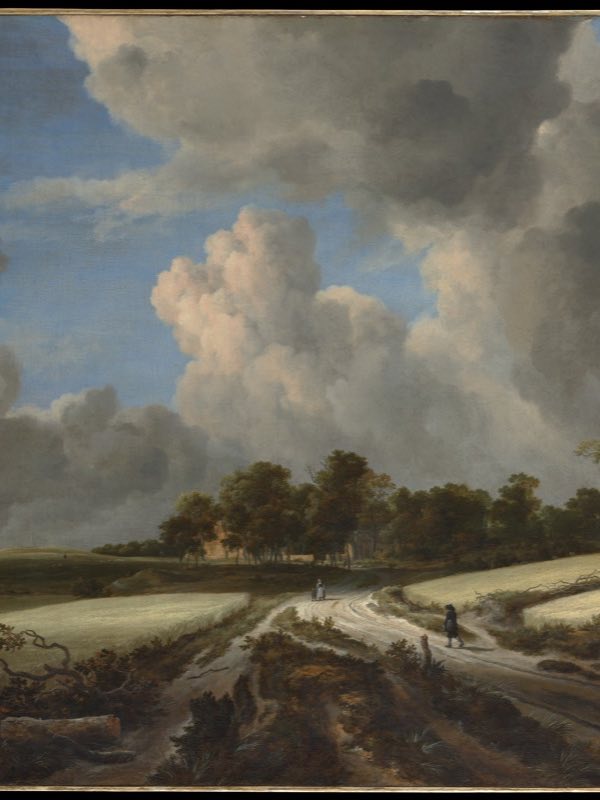
At about twenty, John Bunyan was the worst swearer his neighbours had ever heard. A few years later he was so sure he had committed the one sin God cannot forgive that his body shook for days, and he knew “what it was to be weary of my life, and yet afraid to die.” Grace Abounding is his own story, written in a Bedford prison cell, of years of doubt, unwanted blasphemous thoughts and despair, and of a few words of the Bible that broke through. This teen edition keeps his words and his hardest honesty, and speaks plainly to anyone fighting thoughts they never wanted.
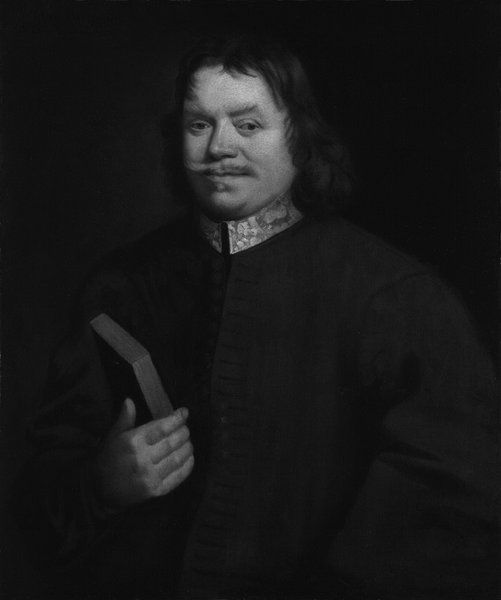
John Bunyan was born in 1628 in Elstow, a village near Bedford in the middle of England. His father mended pots and pans for a living, and Bunyan never pretended his family was anything special: “my father's house being of that rank that is meanest and most despised of all the families in the land.” His parents sent him to school long enough to learn…
Contents
- 1 Few Equals 4 min
- 2 Wilt Thou Leave Thy Sins? 3 min
- 3 A Poor Painted Hypocrite 3 min
- 4 Women in the Sun 3 min
- 5 And Yet There Is Room 3 min
- 6 Thou Art My Love 3 min
- 7 Floods of Blasphemies 4 min
- 8 Let Him Go, If He Will 3 min
- 9 Weary of My Life 3 min
- 10 My Grace Is Sufficient for Thee 4 min
- 11 Thy Righteousness Is in Heaven 3 min
- 12 In Chains to Them in Chains 3 min
- 13 Leap off the Ladder 3 min
Questions and Answers
Who was John Bunyan?
An English tinker, a mender of pots and pans, born at Elstow near Bedford in 1628. He served as a teenage soldier in Parliament's army during the Civil War, joined a small church in Bedford in the 1650s, and became a popular preacher. He was imprisoned for twelve years, from 1660 to 1672, for preaching outside the Church of England, and later wrote The Pilgrim's Progress. He died in 1688.
Is the book honest about the hard parts?
Yes. It keeps his swearing and his years as a “painted hypocrite,” a year of blasphemous thoughts he could not stop, his terror that he had committed the unpardonable sin, and the time he was “weary of my life, and yet afraid to die.” It also keeps what his imprisonment cost his wife and children, especially his blind daughter.
What does “My grace is sufficient for thee” mean in his story?
It is a line from 2 Corinthians 12:9. At first only the words “My grace is sufficient” came to him, and he longed for the words “for thee.” Later, in a church meeting, he heard the whole phrase three times over, and it felt as if Jesus were speaking it to him personally. It became one of the turning points of his recovery.
Did Bunyan really hear voices from heaven?
He describes words that seemed to “dart” into his soul, such as the question during a game of cat, “Wilt thou leave thy sins and go to heaven, or have thy sins and go to hell?” He reports them as he experienced them. He was also careful: of one strange experience, a rushing wind and a voice, he wrote that he did not rest his salvation on it but “upon the Lord Jesus, in the promise.”
Did Bunyan commit the unpardonable sin?
He feared for over two years that he had, after the thought “Let Him go, if He will” passed through his exhausted mind. But when he finally read the frightening passages in Hebrews carefully, he saw they describe a complete, open turning away from Christ, not a thought he hated and fought. He concluded his fears came from being “misinformed of the nature of my sin.” Many people today have unwanted thoughts like his; they are common, they are not who you are, and a pastor together with a doctor or counsellor can help.
How did he treat other people?
He tried to win his old friends away from their ways, and he grieved more over converts who fell away than he would over the death of one of his own children. When he was slandered he refused to hit back, and he prayed for his accusers that God would give them repentance. In prison his deepest worry was for his family, and above all his blind daughter.
What is the original book, and when and why was it written?
Its full title is Grace Abounding to the Chief of Sinners. Bunyan wrote it in 1666 while he was in Bedford gaol, for the people who had come to faith through his preaching, so that they and others would remember how God had worked in his soul. He said he would tell it “plain and simple” and “lay down the thing as it was.”
What can a teenager today take from it?
That doubts, fears and even horrible unwanted thoughts are more common than you think and do not mean God has given up on you; that you should tell someone safe rather than fight alone; and that your standing with God rests on Christ, not on your feelings. As Bunyan put it, his righteousness was “Jesus Christ Himself, the same yesterday, and to-day, and for ever.”
Read in your language
More like this



Cite this book
Copy a citation in the style you need.
- MLA
- Bunyan, John. Grace Abounding (For Teens). Ochorus, https://ochorus.com/books/grace-abounding-teens/.
- Chicago
- Bunyan, John. Grace Abounding (For Teens). Ochorus. https://ochorus.com/books/grace-abounding-teens/.
- Chicago footnote
- John Bunyan, Grace Abounding (For Teens) (Ochorus), https://ochorus.com/books/grace-abounding-teens/.
- BibTeX
- @book{bunyangrace, author = {Bunyan, John}, title = {{Grace Abounding (For Teens)}}, publisher = {Ochorus}, url = {https://ochorus.com/books/grace-abounding-teens/} }