Book
2 Chronicles
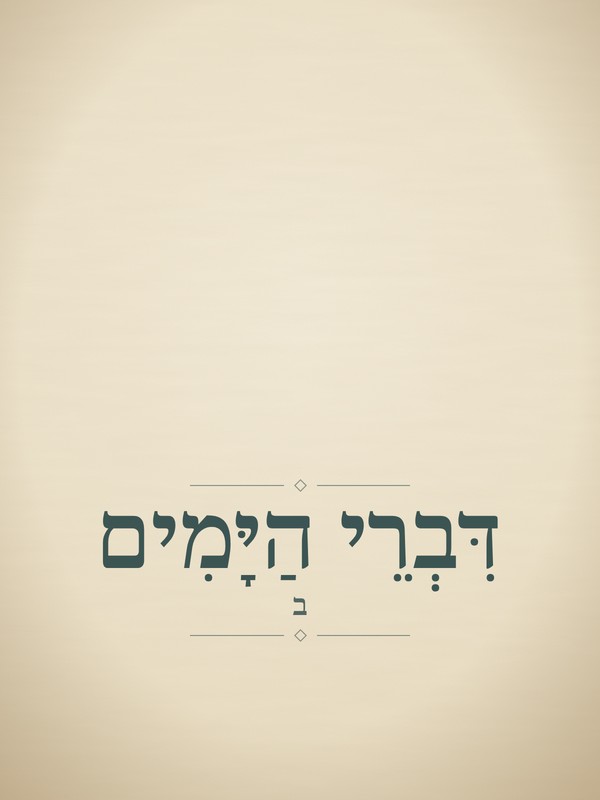
Divrei HaYamim Bet, “The events of the days”
Part of The Bible·Next in the series: Ezra
38 chapters · 2 hr 23 min read · Moderate
Free to read · No account needed
Listen to the whole book 3 hr 4 min listenAbout this book
From Solomon’s temple to the exile, and the decree to rebuild.
- Author
- Traditionally Ezra
- Date
- After the exile
and if my people who bear my name humble themselves and pray, seek my face and turn back from their evil ways, then I myself will hear from heaven. I will forgive their sin and heal their land.The second half of Chronicles and, in most Hebrew Bibles, the last book of the Old Testament. Solomon builds the temple, and as the singers praise the LORD the house is filled with the cloud of glory; then God answers his prayer: “if my people who bear my name humble themselves and pray, seek my face and turn back from their evil ways, then I myself will hear from heaven.” The kings of Judah follow, each a lesson in seeking God or forsaking him: Asa’s cry for help, Jehoshaphat’s singers marching ahead of the army, Hezekiah’s Passover for the unclean, Manasseh praying in chains in Babylon, Josiah weeping over the book of the law. It ends with the temple in ashes and a Persian king’s decree: “let them go up.” In the Open Word Bible, a new translation from the Hebrew given freely to the public domain, with an introduction to the book’s shape and meaning and a conclusion on where to read next.
Solomon son of David established himself firmly over his kingdom. The LORD his God was with him and made him very great. Solomon addressed all Israel: the commanders over thousands and over hundreds, the judges, and every leader in all Israel, the heads of families.
Contents
Sermons on this book
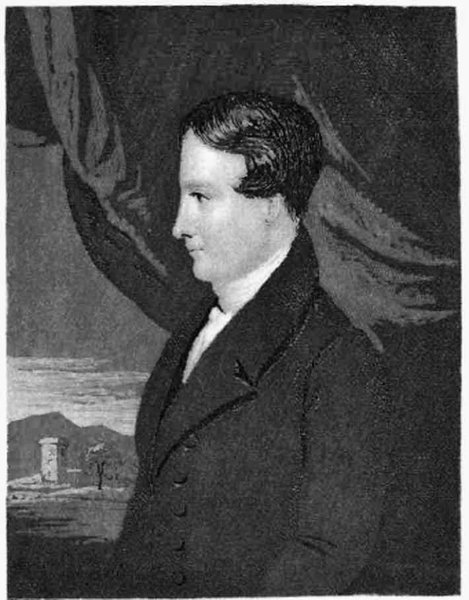
Thanksgiving Obtains the Spirit
Back with his Dundee flock after a long absence, M’Cheyne turns to the day the cloud filled Solomon’s temple, which came not with the sacrifices but when the singers praised the Lord as one. He urges believers to praise God for what He is and for His mercy, to be one in heart, and to expect the Spirit to fill them, until it is plain that the work is God’s alone.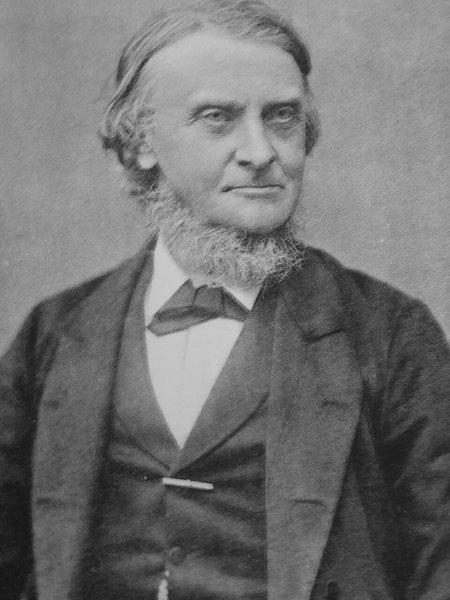
The Search that Always Finds
From Asa’s reformation in 2 Chronicles, Maclaren traces seeking, finding and resting. The search for God must be whole-hearted, which means casting out idols though not forsaking life’s ordinary duties. Such seeking cannot fail, because God is seeking us too. Its fruit is less outward quiet than rest within, the peace Christ gives amid tribulation, and he ends looking to the fuller finding and eternal rest hereafter. Holding Fast and Held Fast
From Jehoshaphat's word to his singing army, Maclaren draws out a Hebrew wordplay: "Hold fast by the Lord your God, and you will be held fast". Faith clings to a Person, not merely to a creed, and to "the Lord your God" claimed as one's own. It clings as a child grips its mother's apron, by love, thought, will and trust, and the result is steadiness, persistence and victory, the steadfastness coming from God's hand rather than ours.Questions and Answers
What is the book of 2 Chronicles?
The second half of Chronicles, which in Hebrew is a single book called Divrei HaYamim, “the events of the days”. Its thirty-six chapters tell of Solomon and the building of the temple (1–9) and then of the kings of Judah, the line of David, from the division of the kingdom around 930 BC to the destruction of Jerusalem by Babylon in 586 BC, ending with the decree of Cyrus king of Persia in 538 BC that allowed the exiles to return and rebuild. In most Hebrew Bibles it is the last book of the Old Testament.
Who wrote 2 Chronicles, and when?
The book does not name its author. Jewish tradition, recorded in the Talmud, credited Chronicles to Ezra the scribe, and its last two verses are repeated at the beginning of the book of Ezra. Many scholars speak simply of “the Chronicler”, writing after the exile, in the Persian period, perhaps around 400 BC; some date it earlier. Whether the same writer produced Ezra and Nehemiah is debated. The book names many sources, among them the records of prophets such as Nathan, Iddo, Shemaiah and Isaiah.
What does 2 Chronicles 7:14 mean?
It is God’s answer to Solomon’s prayer at the dedication of the temple: when God sends drought, locusts or plague, “if my people who bear my name humble themselves and pray, seek my face and turn back from their evil ways, then I myself will hear from heaven. I will forgive their sin and heal their land.” It was first spoken to Israel and tied to prayer made toward the temple (7:15). Christians differ on how directly it applies to modern nations, but have widely taken its pattern of humbling, praying, seeking and turning as God’s way with his people, and the rest of 2 Chronicles shows that pattern at work in king after king.
Why does 2 Chronicles leave out the kings of Israel?
Chronicles tells the story of the line of David and the temple in Jerusalem, so it follows the kings of Judah and mentions the northern kingdom only where its history touches Judah’s. It was written for the community that returned from exile, who were descended mainly from Judah and gathered around the rebuilt temple. Yet it never writes the northern tribes off: it shows Hezekiah inviting the remnant of Israel to his Passover and some of them coming to Jerusalem, and it counts all twelve tribes as Israel.
Did King Manasseh repent?
According to 2 Chronicles 33:10–17, yes. 2 Kings presents Manasseh as the worst of Judah’s kings, but Chronicles adds that after the Assyrians took him to Babylon in chains, “he sought the favor of the LORD his God and humbled himself deeply”, and God heard him and brought him back to Jerusalem, where he removed the foreign gods from the temple. The two accounts are usually read together: Kings stresses the lasting harm of his reign, and Chronicles the mercy of God to a repentant sinner. The Prayer of Manasseh found in some Bibles is a later work, not part of the Hebrew text.
Which translation of the Bible is this?
The Open Word Bible, a new translation made directly from the Hebrew and dedicated to the public domain, printed here at its Balanced level, which aims to be accurate and to read naturally aloud. “LORD” in capitals stands for God’s personal name. The reasoning behind each of its sentences, with the Hebrew beside it, is published at openwordbible.org. The introduction and conclusion were written for this edition.
More like this


Taking books where there’s no signal? See Ochorus for missionaries or chaplains
About this text
- Source
- Scripture from the Open Word Bible (https://openwordbible.org), English, Balanced level, commit 64b913d623d6: dedicated to the public domain under CC0 1.0. The introduction and conclusion are by Ochorus. openwordbible.org
- Last updated
- November 13, 2026
- Rights
- Terms of Use
Cite this book
Copy a citation in the style you need.
- MLA
- Open Word Bible. 2 Chronicles. Ochorus, https://ochorus.com/books/2-chronicles/.
- Chicago
- Open Word Bible. 2 Chronicles. Ochorus. https://ochorus.com/books/2-chronicles/.
- Chicago footnote
- Open Word Bible, 2 Chronicles (Ochorus), https://ochorus.com/books/2-chronicles/.
- BibTeX
- @book{openwordbiblechronicles, author = {{Open Word Bible}}, title = {{2 Chronicles}}, publisher = {Ochorus}, url = {https://ochorus.com/books/2-chronicles/} }