Contemporary Voices
The old road has living guides — present-day teachers writing for East Africa and beyond, meeting the disciple where the questions are now.
One generation shall praise thy works to another, and shall declare thy mighty acts.
Books



Articles
Authors
Questions and Answers
What is the Contemporary Voices collection about?
It gathers present-day teachers who write for East Africa and beyond — living guides on the old road, meeting the disciple where the questions are now. Its keynote is Psalm 145:4, "One generation shall praise thy works to another, and shall declare thy mighty acts": the shelf carries the same gospel the classics teach, spoken freshly into the present by voices of this generation.
Which works are included?
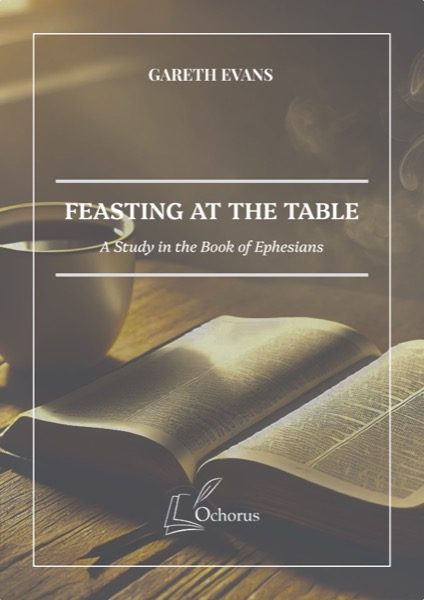
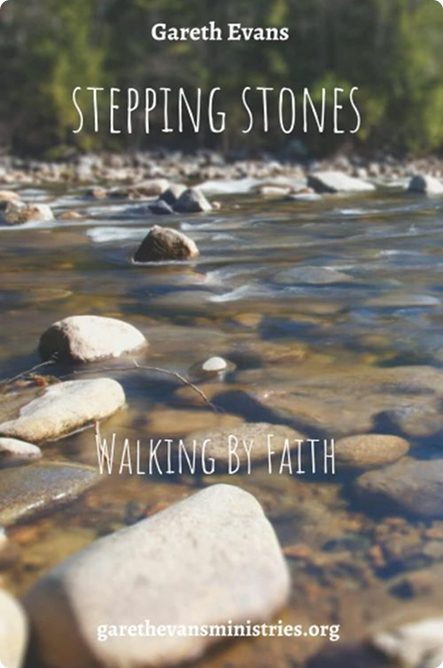
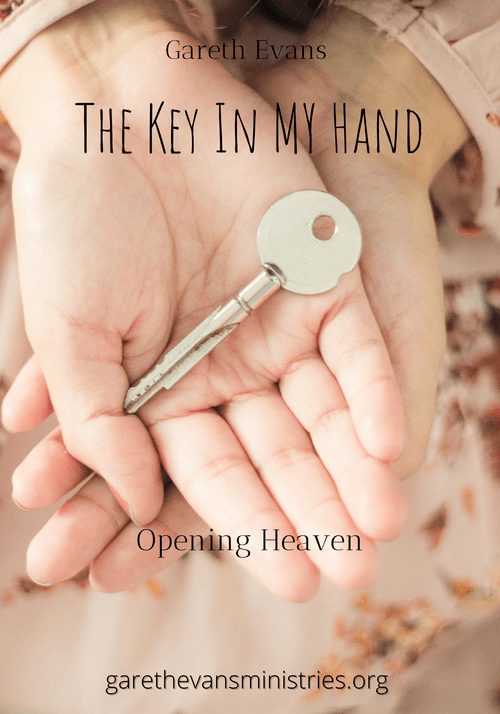
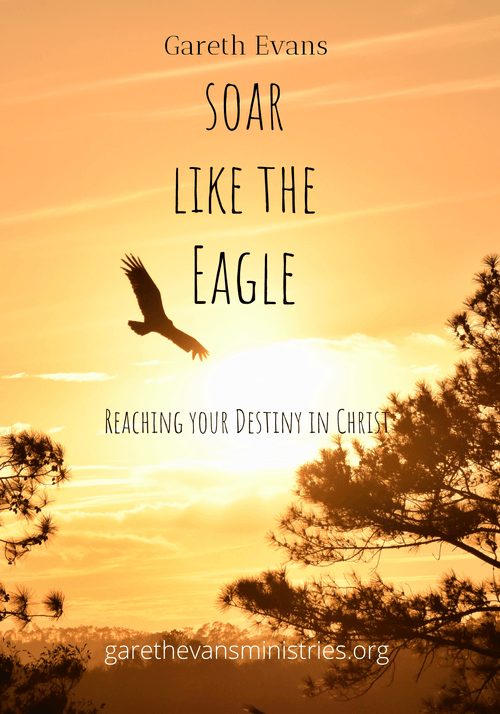
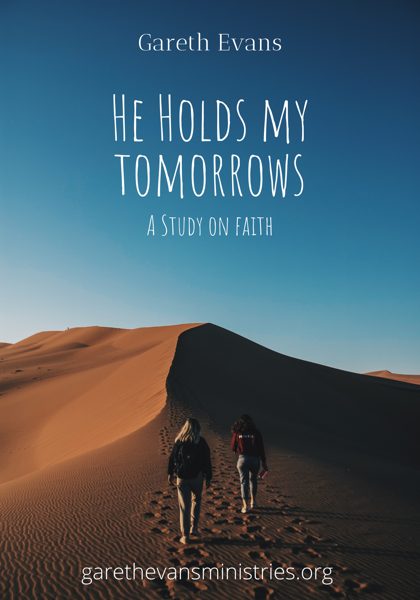
Among them are "Feasting at the Table," "Stepping Stones," "The Key in My Hand," "Soar Like the Eagle," "He Holds My Tomorrows," and "Prayer, the Pulse of Life" — contemporary books written to disciple readers in their own moment, especially across East Africa, in continuity with the great classics on the neighbouring shelves.
What does Psalm 145:4 mean for the shelf?
"One generation shall praise thy works to another, and shall declare thy mighty acts" is the collection's charter — that the faith is handed on, generation to generation, and that each generation must declare God's works in its own voice. It sets these living writers as the newest link in a long chain, carrying forward what the fathers received.
How do these books relate to the classics?
They walk the same old road with living feet. Where the classics speak in the idiom of their own centuries, these contemporary voices meet today's disciple where the questions are now — the same gospel of grace, prayer, and the deeper life, translated into the concerns and language of the present, especially for readers in East Africa and the wider church.
What themes do the contemporary books address?
The enduring ones, freshly put: prayer as the pulse of the Christian life, trusting God with an unknown future ("He Holds My Tomorrows"), growing and rising in faith ("Soar Like the Eagle"), and the ordinary steps of discipleship ("Stepping Stones"). They meet the reader in present-day life while keeping the shelf continuous with the classics.
Who are these books written for?
Especially for readers in East Africa and the wider church today — disciples who love the old paths but need a guide speaking into their own moment. The shelf exists to show that the road walked by Augustine and Murray and Spurgeon still has living guides, and that the mighty acts of God are still being declared, generation to generation.
Where should a reader begin?
"Prayer, the Pulse of Life" is a fitting entry for the heart of the Christian life; "He Holds My Tomorrows" for anyone anxious about the future; and "Stepping Stones" for the ordinary path of growth. Any of them meets the present-day reader on familiar ground while pointing to the same Christ the classics preach.
Why read contemporary voices alongside the classics?
Because the old truth needs a living voice in every age, and a guide who shares the reader's own moment can carry the classics' wisdom across the distance of centuries. Psalm 145:4 holds: one generation declares God's works to the next — and these writers are doing exactly that, on the road the fathers walked before them.