Book
Ezekiel
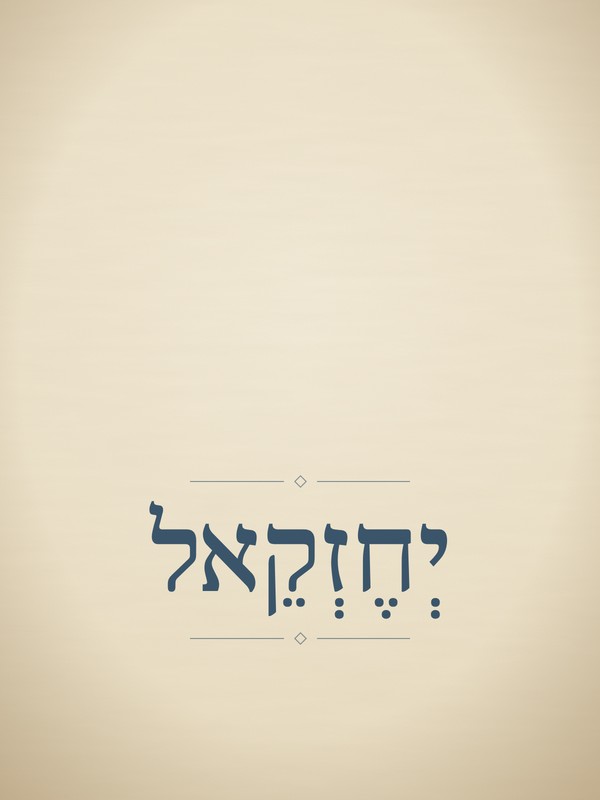
Yechezkel, “God strengthens”
Part of The Bible·Next in the series: Daniel
50 chapters · 3 hr 25 min read · Accessible
Free to read · No account needed
Listen to the whole book 4 hr 25 min listenAbout this book
A priest in exile sees God’s glory, and the promise of a new heart.
- Author
- Ezekiel
- Date
- 6th century BC
I will give you a new heart, and I will place a new spirit within you. I will take the heart of stone out of your bodies and give you a heart of flesh.The visions of a priest carried off to Babylon, who saw the glory of the LORD by a canal among the exiles: a storm out of the north, four living creatures, wheels full of eyes, and a throne above them all. Ezekiel eats a scroll as sweet as honey, is made a watchman for his people, acts out the siege of Jerusalem, and watches the glory leave the temple before the city falls. Then the message turns to hope: God himself will shepherd his scattered flock, give his people a new heart and put his Spirit within them, breathe life into a valley of dry bones, and return to a new temple from which a river flows to make everything live, in a city named “The LORD Is There.” In the Open Word Bible, a new translation from the Hebrew given freely to the public domain, with an introduction to the book’s shape and meaning and a conclusion on where to read next.
In the thirtieth year, in the fourth month, on the fifth day, when I was living with the exiles beside the Kebar Canal, the heavens were opened and I saw visions of
Contents
Sermons on this book
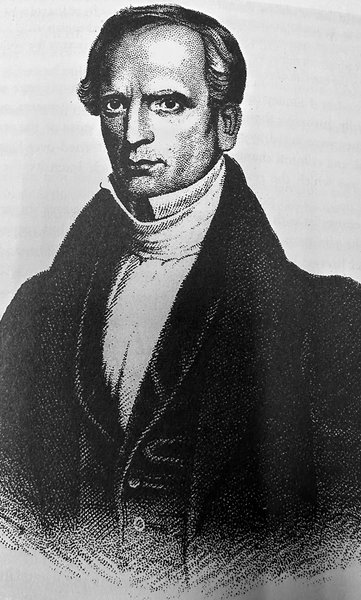
Sinners Bound to Change Their Own Hearts
“Make you a new heart and a new spirit, for why will ye die?” The sermon that made Finney famous, and controversial: a change of heart is a change in the choice of a supreme ruler, so God can command it, the sinner is bound to it, and the Spirit's work is to persuade, not to override. The plainest statement of his call to decide now.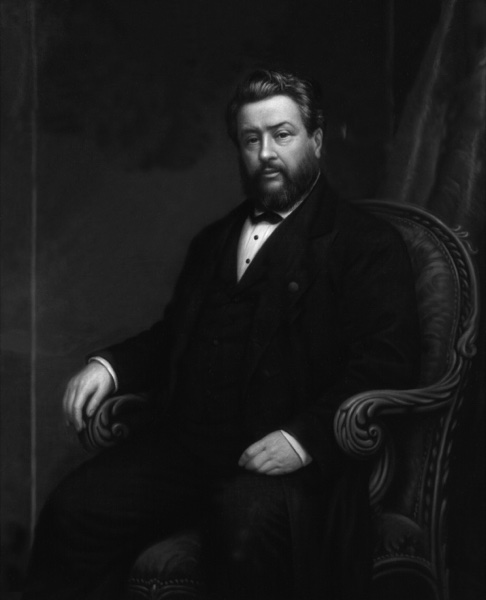
The New Heart
Ezekiel’s promise is a wonder of grace: the God who left fallen angels in chains offers fallen man a second creation. Spurgeon argues that human nature is past mending — ungrateful, proud and unimprovable — so it must be replaced, and he shows the change to be divine, gracious, victorious and instantaneous. He closes by assuring seekers that their longing is already its first fruit, and the despairing to try a Master kinder than they think. Free Grace
Salvation is 'not for your sakes': Spurgeon dismantles the two sins bred in the bone — self-dependence and self-exaltation — and shows that God saves for His own name's sake, entirely of grace. Therefore the vilest sinner may come with nothing in hand, and the saved have nothing to boast of but the tender heart of God. Prayer—the Forerunner of Mercy
God promises Israel increase yet will first “be enquired of”, and Spurgeon draws from this that prayer is the herald of every great mercy, in Scripture, in church history and in each believer’s life. God orders it so to draw his children often to his house, and because prayer brings comfort, guidance and a sense of the gift’s worth. He closes by urging prayer for self, household, minister and church, with a son whose prayer won his parents.Questions and Answers
What is the book of Ezekiel?
The third of the major prophets in the Old Testament, the visions and messages of Ezekiel, a priest who lived among the Jewish exiles in Babylon. Its forty-eight chapters fall into three parts: judgement on Jerusalem before its fall (chapters 1–24), oracles against the surrounding nations (25–32), and, after the news that the city has fallen (33:21), promises of restoration ending in the vision of a new temple (33–48). Its refrain, repeated more than sixty times, is “Then you will know that I am the LORD.”
Who was Ezekiel, and when did he prophesy?
Ezekiel son of Buzi was a priest taken from Jerusalem to Babylon in 597 BC with King Jehoiachin, and settled among the exiles at Tel-abib by the Kebar Canal. He was called in 593 BC, the fifth year of the exile, and his last dated oracle comes from 571 BC. Unusually for a prophetic book, it is written almost entirely in the first person and carefully dated throughout. Most scholars, though not all, hold that the book substantially comes from Ezekiel himself, perhaps with some later arrangement by his disciples. He was a contemporary of Jeremiah, who was preaching in Jerusalem at the same time.
What is the valley of dry bones in Ezekiel 37?
A vision in which God sets Ezekiel in a valley full of dry bones and asks, “Son of man, can these bones live?” At God’s command the prophet speaks to the bones, which come together and are covered with flesh, and then to the breath, which enters them so that they stand up “a huge army”. God explains that the bones are the people of Israel in exile, who say their hope is gone, and promises to open their graves, bring them home and put his Spirit in them. It is first a promise of national restoration, but Jews and Christians have long read it also as a pledge of the resurrection of the dead.
What does Ezekiel mean by a new heart?
In Ezekiel 36:25–27 God promises to cleanse his people, take out their “heart of stone” and give them “a heart of flesh”, and put his own Spirit within them so that they follow his ways. It echoes Jeremiah’s promise of a new covenant written on the heart, and adds the gift of the Spirit. Earlier, in 18:31, God commands the people to make themselves a new heart; Christian teachers have often explained the two together by saying that God commands what only he can give. Many readers hear the promise behind Jesus’s words about being “born of water and the Spirit” (John 3:5).
How should Ezekiel’s temple vision and Gog and Magog be understood?
Christians read these chapters in different ways. Some take the battle with Gog (chapters 38–39) and the new temple (40–48) as forecasts of literal future events; others read them as visions that use the language of Ezekiel’s day to show God’s final victory over every enemy and his dwelling with his people for ever. The New Testament takes up both: Revelation names Gog and Magog in the last rebellion against God (20:8), and pictures the new Jerusalem with no temple, because God and the Lamb are its temple, and a river of the water of life with the tree of life on its banks, as in Ezekiel 47.
Which translation of the Bible is this?
The Open Word Bible, a new translation made directly from the Hebrew and dedicated to the public domain, printed here at its Balanced level, which aims to be accurate and to read naturally aloud. “LORD” in capitals stands for God’s personal name, and Ezekiel’s frequent “Lord GOD” joins it to the word for “master”. The reasoning behind each of its sentences, with the Hebrew beside it, is published at openwordbible.org. The introduction and conclusion were written for this edition.
More like this



Taking books where there’s no signal? See Ochorus for missionaries or chaplains
About this text
- Source
- Scripture from the Open Word Bible (https://openwordbible.org), English, Balanced level, commit 64b913d623d6: dedicated to the public domain under CC0 1.0. The introduction and conclusion are by Ochorus. openwordbible.org
- Last updated
- November 13, 2026
- Rights
- Terms of Use
Cite this book
Copy a citation in the style you need.
- MLA
- Open Word Bible. Ezekiel. Ochorus, https://ochorus.com/books/ezekiel/.
- Chicago
- Open Word Bible. Ezekiel. Ochorus. https://ochorus.com/books/ezekiel/.
- Chicago footnote
- Open Word Bible, Ezekiel (Ochorus), https://ochorus.com/books/ezekiel/.
- BibTeX
- @book{openwordbibleezekiel, author = {{Open Word Bible}}, title = {{Ezekiel}}, publisher = {Ochorus}, url = {https://ochorus.com/books/ezekiel/} }