Chapter 21 · 4 min read · 5 min listen
John 20
In this chapter
Mary Magdalene finds the tomb empty and is the first to see the risen Jesus. Jesus appears to the disciples, breathes on them the Holy Spirit, and a week later shows Thomas the wounds. The book was written so that its readers may believe and have life.
The empty tomb
1On the first day of the week Mary Magdalene came to the tomb in the early morning, while it was still dark, and found that the stone had been taken away from it. 2She ran off, then, to find Simon Peter and the other disciple, whom Jesus loved. “They have removed the Lord from the tomb,” she told them, “and we do not know where they have laid him.” 3Peter and the other disciple then set out and made their way to the tomb. 4The two of them ran together, but the other disciple was faster than Peter and got to the tomb ahead of him. 5Bending down to look in, he saw the linen cloths lying there; he did not, however, go in. 6Then Simon Peter, who had been following him, came and went into the tomb. He saw the linen cloths lying there, 7and the face cloth that had been on his head. It was not lying with the linen cloths; it was rolled up in a place of its own, apart from them. 8Then the other disciple, who had arrived at the tomb first, went in too; and he saw and believed. 9For as yet they did not understand the Scripture, that he must rise from the dead. 10Then the disciples went back to where they were staying. 11Mary, however, stood outside the tomb, weeping. Still weeping, she stooped to look into the tomb. 12There she saw two angels in white clothes, sitting where the body of Jesus had been lying, one at the head, the other at the feet. 13They said to her, “Woman, why are you weeping?” “My Lord has been taken away,” she answered, “and I do not know where they have laid him.” 14With these words she turned around and saw Jesus standing there, though she did not know that it was Jesus. 15Jesus said to her, “Woman, why are you weeping? Who is it you are looking for?” Supposing he was the gardener, she said to him, “Sir, if you are the one who has carried him off, tell me where you put him, and I will take him away.” 16Jesus said to her, “Mary!” She turned and said to him in Hebrew, “Rabbouni!” (which means Teacher). 17Jesus said to her, “Do not keep holding on to me, because I have not yet ascended to the Father. Go instead to my brothers and sisters with this message: ‘I am ascending to my Father and your Father, my God and your God.’” 18Mary Magdalene went and brought the disciples the news: “I have seen the Lord!” And she reported to them what he had said to her.
Jesus appears to the disciples
19On the evening of that day, the first day of the week, the disciples were behind locked doors because they feared the Jewish leaders. Jesus came and stood among them and said, “Peace to you.” 20After saying this, he showed them his hands and his side. Then the disciples rejoiced when they saw the Lord. 21Jesus said to them again, “Peace to you. In the way that the Father has sent me, I am sending you.” 22Having said this, he breathed on them and told them, “Receive the Holy Spirit.” 23Whose sins you forgive, they stand forgiven; whose sins you retain, they stand retained. 24But Thomas, one of the Twelve, also called Didymus (which means Twin), was not with them when Jesus came. 25So the other disciples kept telling him, “We have seen the Lord!” But he told them, “I will never believe it unless I see the marks the nails made in his hands, and put my finger into those marks, and put my hand into his side.”
Jesus and Thomas
26A week later his disciples were indoors again, and Thomas was with them. Though the doors were locked, Jesus came and stood among them and said, “Peace to you.” 27Then he said to Thomas, “Put your finger here; see my hands. Bring your hand and put it into my side. Do not be unbelieving any longer, but believing.” 28Thomas answered him, “My Lord and my God!” 29Jesus said to him, “Have you believed because you have seen me? Blessed are those who have believed without having seen.”
Why this book was written
30Jesus did many other signs as well while the disciples looked on, signs that are not written down in this book. 31These, though, are written down so that you may believe Jesus is the Christ, the Son of God, and by believing have life in his name.
Treated in 119 passages across the library.
Most quoted in the classics
What the Church has said
Read alongside
Sermons on this chapter
A Present Saviour
Mary Magdalene stood face to face with the risen Lord "and knew not that it was Jesus." Bonar traces what blinded her: seeking the living among the dead, fixing on his body, overmuch sorrow, and unbelief. Her mistake was to seek an absent Lord while refusing to recognise a present one, and so is ours. He shows Christ hidden in common providences, peace and trials, and lands on faith's office: not to bring Christ near, but to recognise him already near.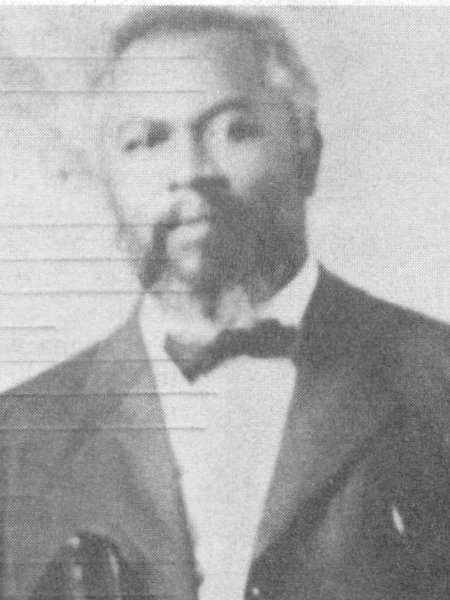
Receive Ye the Holy Ghost
Seymour lays out the steps to the baptism with the Holy Ghost as Azusa Street taught them: a clear knowledge of the new birth, then of sanctification, and then waiting for the promise of the Father. He ends by urging seekers to kneel and ask the Spirit to come in. From The Apostolic Faith (Los Angeles), January 1907.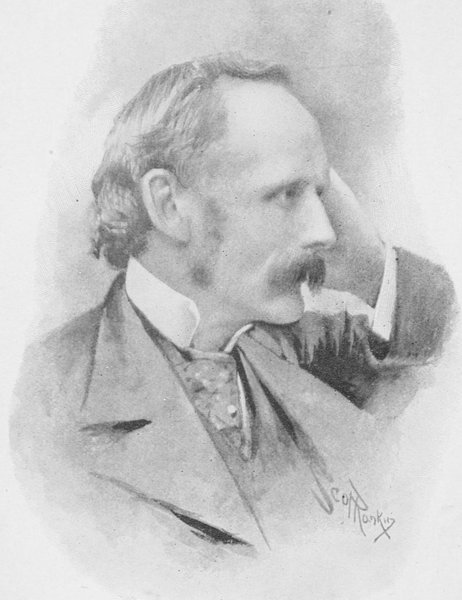
Dealing with Doubt
Speaking to workers among young men, Drummond calls honest doubters some of the best men he knows and traces doubt to its origins in human curiosity, a mysterious world and limited faculties. He contrasts the Church's habit of branding the heretic with Christ's patient teaching of Thomas, and urges Christians to concede what they can, set insoluble problems aside, and lead the doubter into obedience to Christ.Faith in an Unseen Christ
Christ's word to Thomas pronounces a beatitude on those who believe without seeing, and Bonar insists this is the happiest faith of all, not a poor substitute for sight. Such faith rests on the bare word of God, meets God directly, reaches the heart of unseen things, avoids the errors of sense, and trains the whole renewed nature. He ends by urging believers to ask no sign and the unbelieving to take God's testimony and be saved now.Cross-references from OpenBible.info, CC BY