Chapter 16 · 4 min read · 5 min listen
Luke 15
In this chapter
When Pharisees and scribes grumble that Jesus welcomes sinners, Jesus tells of a lost sheep, a lost coin and a lost son. The father welcomes the younger son home and pleads with the resentful older son.
One sheep out of a hundred
1Tax collectors and sinners, all of them, kept coming near to listen to him. 2But the Pharisees and the scribes complained among themselves. “This man welcomes sinners,” they said, “and even shares meals with them.” 3So Jesus put this parable to them: 4“Which man among you, if he owned a hundred sheep and lost one of them, would not leave the ninety-nine out in the wild country and search for the lost one until he found it? 5And when he finds it, he hoists it onto his shoulders, delighted. 6Back at home, he invites his friends and neighbors over. ‘Celebrate with me,’ he tells them, ‘because the sheep I lost has been found.’ 7In the same way, I tell you, one sinner who repents will bring more joy in heaven than ninety-nine righteous people who have no need to repent.
A coin swept for and found
8Or what woman with ten silver coins, if she lost one of them, would not light a lamp, sweep out her house and hunt for it carefully until she found it? 9When she finds it, she gathers her friends and neighbors. ‘Be glad with me,’ she says, ‘for the coin I had lost is found.’ 10So it is, I tell you: when one sinner repents, there is joy before the angels of God.”
A father and his two sons
11Then he said, “A man had two sons. 12The younger son said to his father, ‘Father, let me have the part of the estate that will come to me.’ So the father split what he had between the two of them. 13Only a few days later the younger son packed up everything he owned and traveled to a far country, where he threw his property away on a reckless way of life. 14When he had used up everything, a terrible famine struck that whole land, and he began to go without. 15So he went and attached himself to one of the people of that country, and the man sent him out into his fields to look after pigs. 16He wished he could fill himself up with the carob pods the pigs were eating, but no one gave him a thing. 17At last he saw his situation clearly. ‘So many of my father’s hired workers have more bread than they can eat,’ he said, ‘while I am dying of hunger here! 18I will get up and go back to my father, and I will tell him, “Father, I have sinned against heaven and in your sight. 19I do not deserve to be called your son any longer. Take me on as one of your hired workers.”‘ 20So he set off and went back to his father. His father caught sight of him while he was still far away, and his heart went out to him. He ran to meet him, embraced him and kissed him warmly. 21His son said to him, ‘Father, I have sinned against heaven and in your sight. I do not deserve to be called your son any longer.’ 22But the father said to his servants, ‘Hurry! Bring out the finest robe and dress him in it. Give him a ring for his hand and sandals for his feet. 23Fetch the calf we have been fattening and slaughter it. Let us eat and celebrate, 24for my son here was dead, and now he lives again. He was lost, and now he has been found.’ And the celebration began.
The older son
25All this time the older son had been out in the field. On his way back, as he came close to the house, the sound of music and dancing reached him. 26He called over one of the servants and asked him what this could mean. 27‘Your brother is home,’ the servant told him, ‘and your father has slaughtered the fattened calf, because his son has come back to him alive and well.’ 28At this he grew angry and would not go inside. His father came out and appealed to him. 29He replied to his father, ‘Listen! For all these years I have worked like a slave for you. Not once have I gone against your orders. And not once have you given me a young goat for a feast with my friends. 30But this son of yours has eaten up your property with prostitutes, and the moment he turns up, you slaughter the fattened calf for him!’ 31His father answered, ‘My child, you are with me always, and all that is mine belongs to you. 32But it was only right to celebrate and rejoice, for this brother of yours was dead and has come to life; he was lost and has been found.’”
Treated in 91 passages across the library.
Most quoted in the classics
Read alongside
Sermons on this chapter
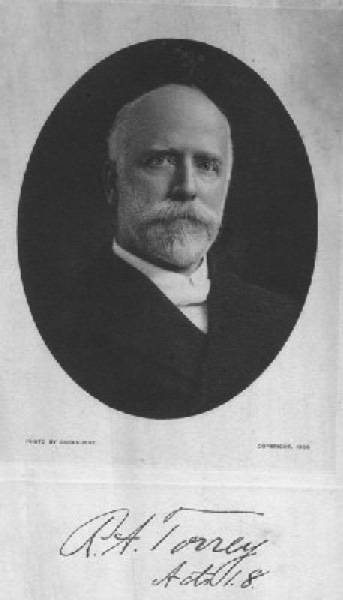
The Drama of Life in Three Acts
Torrey stages the prodigal's story as a drama in three acts — the folly of leaving the Father, the misery of the far country, and the joy of coming home — and presses the hearer toward the homeward road.
The Parable of the Prodigal Son
On the best-known of all the parables, Lloyd-Jones reads the far country, the coming to himself, and the running Father — and turns also to the elder brother, whose sin is the more respectable and, for that reason, the more dangerous.The Prodigal and His Brother
Christ’s tenderness toward those who have ruined themselves shines through the parable of the lost son. Robertson traces the sinner’s homelessness from God, the husks of worldly happiness and the degradation of living below one’s calling; then a return forced by famine, begun in a servant’s spirit and met with a feast. The elder brother, he argues, is a true saint whose quiet peace outweighs a convert’s rapture, and he warns the young not to save their dregs for God.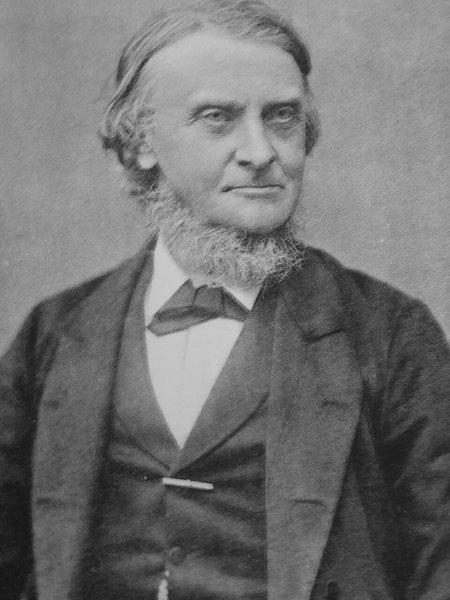
The Prodigal and His Father
Maclaren reads the parable as Christ’s defence of receiving sinners, an appeal to a father’s yearning over a wandering child. He follows the son’s bid for independence, which can only be funded by misusing his father’s gifts, into the far country, waste and famine; then a return prompted by little more than hunger; and finally the father’s running welcome, with robe, ring, shoes and feast, as a revelation of God’s heart toward every returning prodigal.Cross-references from OpenBible.info, CC BY